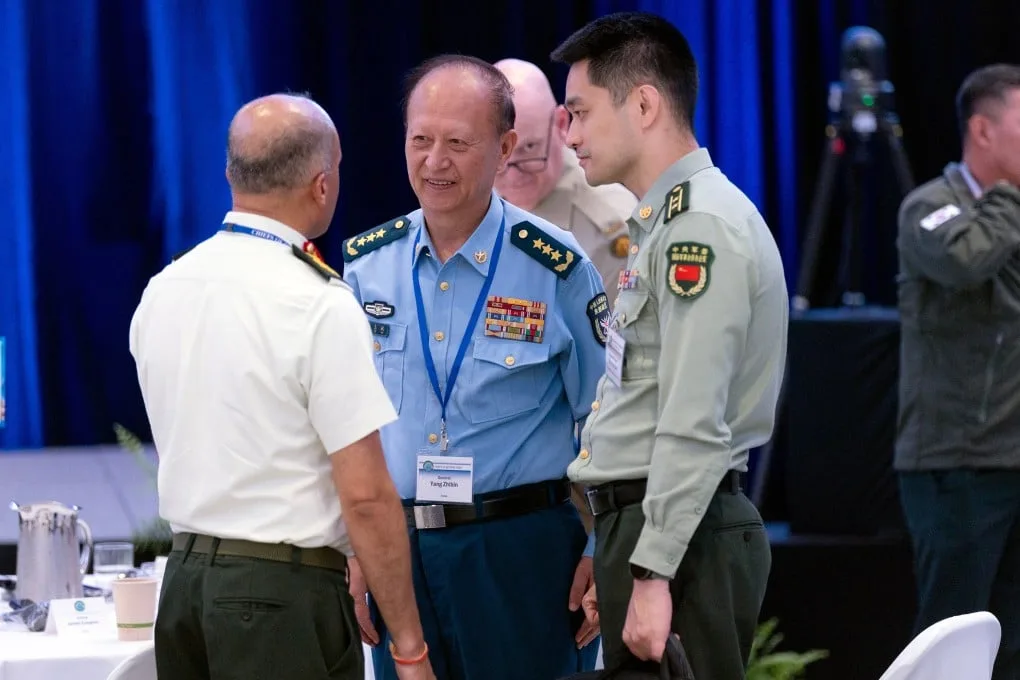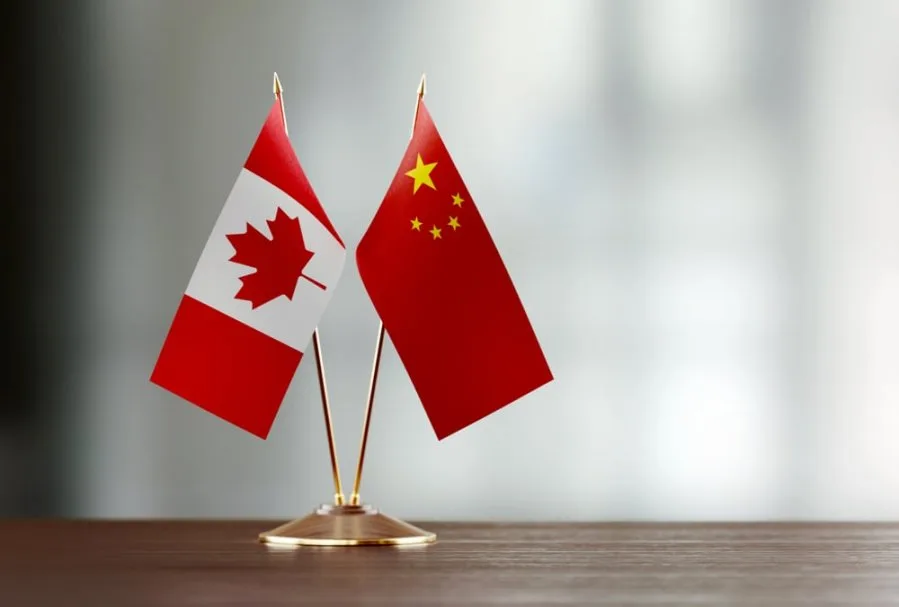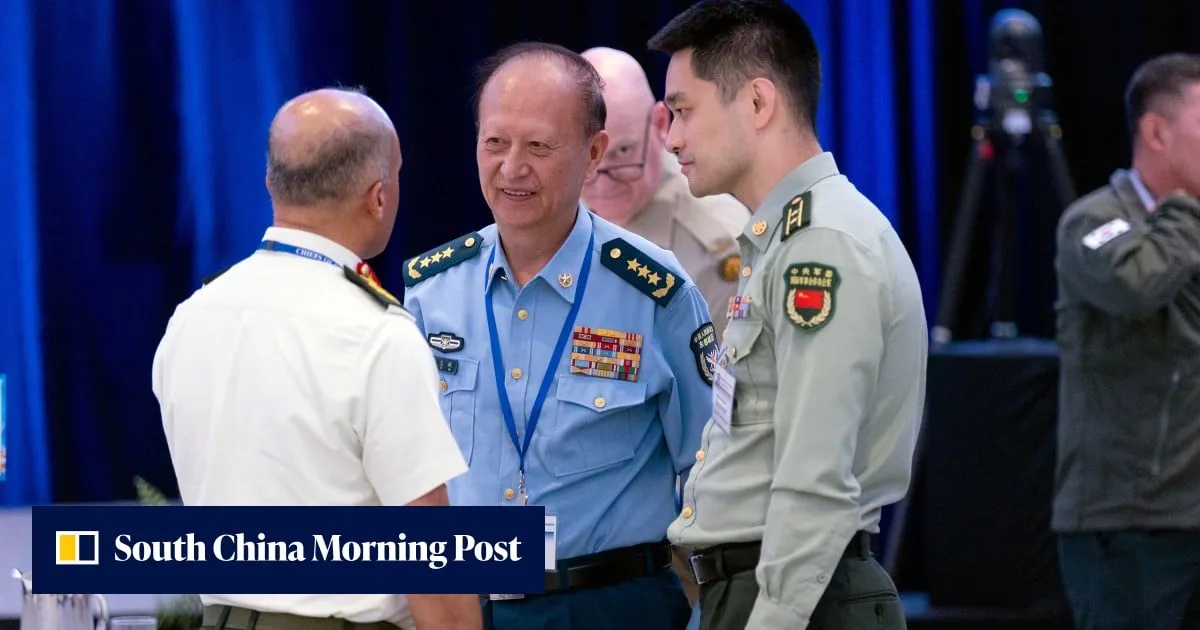
China and Canada conducted the fifth Defence Coordination Dialogue on September 4, 2026, in Canada, resuming military discussions that had been paused since April 2018 [1, 2, 3]. The dialogue, established in 2013, had seen no meetings for eight years until yesterday [1, 2, 3].
At the meeting, both sides exchanged candid and detailed views on international and regional issues of mutual concern. They expressed willingness to strengthen practical military exchanges and cooperation. The Chinese Defence Ministry said both countries aimed to enhance mutual understanding and trust between their militaries [1].
This dialogue revival follows growing efforts by Canadian Prime Minister Kani since taking office in 2025 to restore relations with China. His administration has resumed high-level exchanges, expanded direct flights, and eased trade tensions in sectors such as agriculture and electric vehicles [1, 2, 3]. Chinese Foreign Minister Wang Yi’s visit to Canada in May 2026 was the first by a Chinese foreign minister in a decade. During that visit, both countries agreed to hold regular strategic foreign minister dialogues and resume political-security consultations [3].
However, Canada remains cautious about China’s military activity in sensitive areas like the Arctic, Taiwan, and the South China Sea. The Canadian Navy’s patrol vessel HMCS Charlottetown sailed alone through the Taiwan Strait in May 2026, indicating Canada’s firm stance on regional security [2, 3]. Chinese officials warned in April 2026 that Canadian military operations near Taiwan or official meetings with Taiwan officials could harm bilateral ties [2].
Meanwhile, Canada is reducing its military dependence on the United States, reportedly aiming to shift 70% of defense procurement to domestic suppliers within 10 years. This includes selecting Germany’s TKMS for a new submarine project that could involve up to 12 submarines [3]. China views Canada’s military diversification as an opportunity to deepen bilateral defense relations [3].
Relations between Canada and the US have recently grown tense. Trade negotiations broke down in August 2026, leading Canada to withdraw from talks and impose retaliatory tariffs. Former US President Trump even suggested Canada become the 51st US state. Despite this, US Pacific Commander Paparo called claims of potential US military action against Canada “completely absurd” [2, 3].
The Defence Coordination Dialogue’s restart is the most concrete recent development in China-Canada military ties. The two countries have now begun to rebuild their security discussions, with further dialogue sessions expected following September 2026.