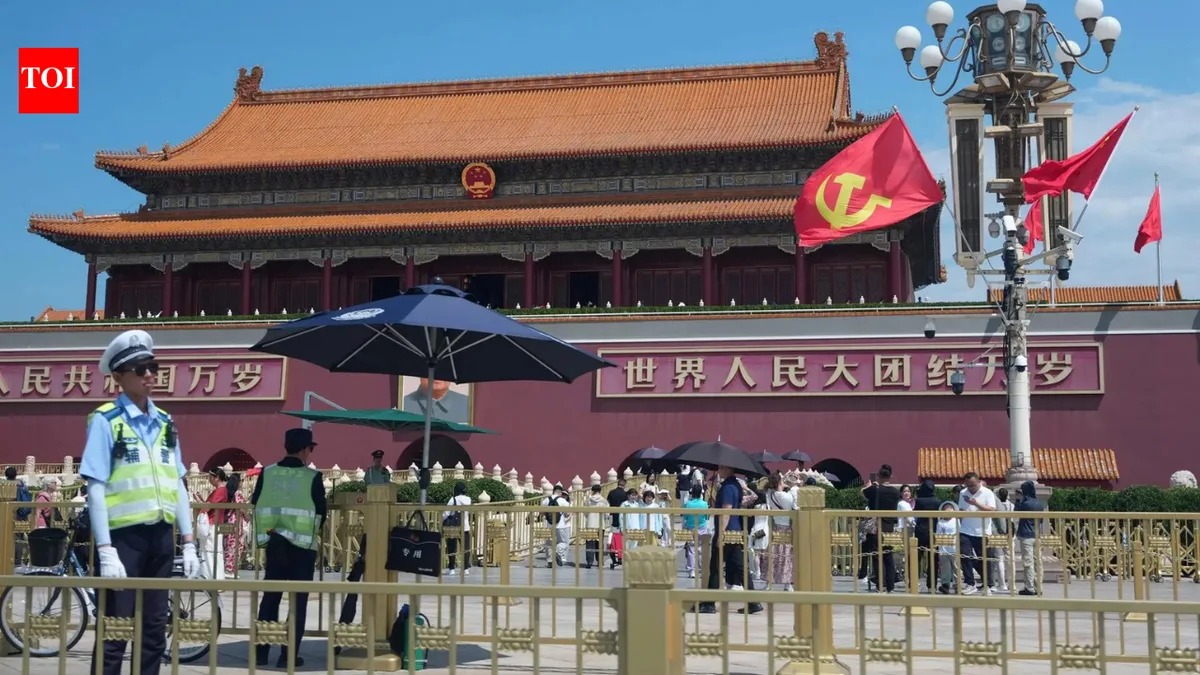
Chinese authorities prevented relatives of those killed in the 1989 Tiananmen Square crackdown from visiting gravesites in Beijing on the 37th anniversary of the incident on June 4, 2026. Police told relatives they would not be allowed to enter the cemetery to pay respects, tightening restrictions on public remembrance of the pro-democracy protests crushed by military force 37 years ago [1].
The Tiananmen crackdown remains one of modern China's most sensitive topics. Hundreds, possibly thousands, were killed when troops moved into Beijing to end student-led protests demanding democratic reforms. Official discussion is heavily suppressed within China [1]. Security was bolstered near public spaces to prevent any gatherings or memorial events from forming on the anniversary [1].
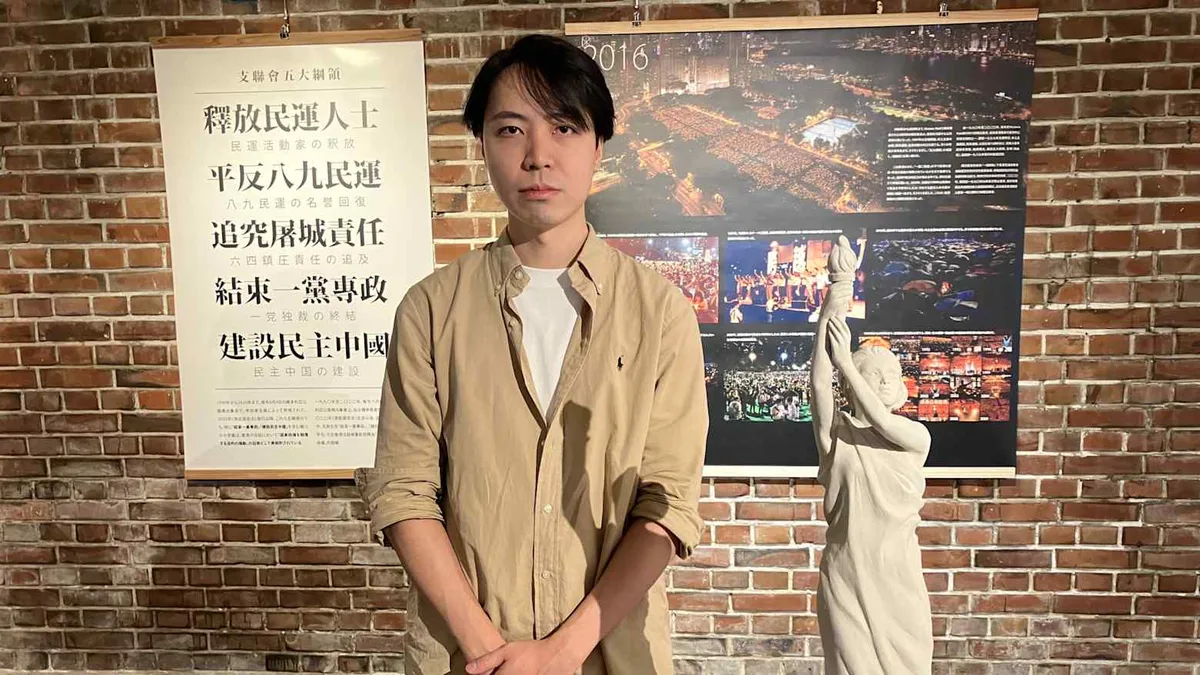
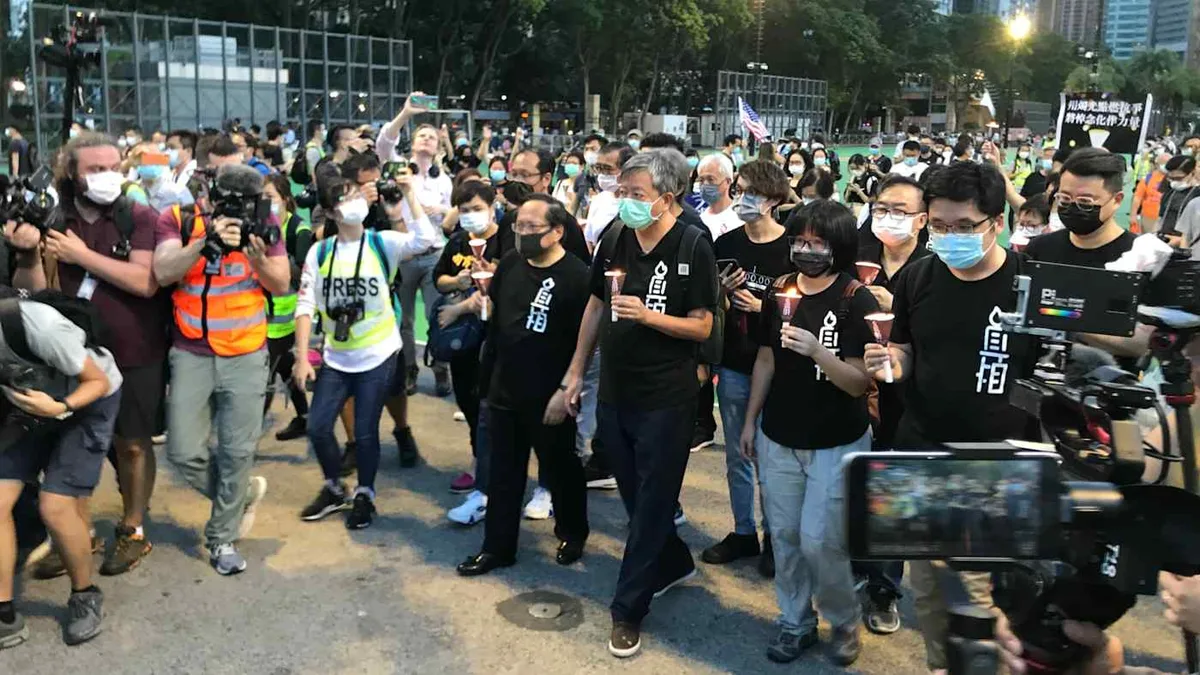
Since 2020, Hong Kong has also banned public candlelight vigils for Tiananmen after imposing a national security law that further limits dissent [1]. The 37th anniversary in 2026 saw activists hold events abroad, including an exhibit in Tokyo that featured a replica of the Goddess of Democracy statue—a symbol of the 1989 protests—as well as commemorations in Taipei [2].
Amnesty International condemned the blocking of visits to victim graves as "a heartless act," highlighting a crackdown on remembrance that has intensified over recent years [1]. US Secretary of State Marco Rubio criticized China's censorship efforts on the anniversary, stating that "no amount of censorship can erase the past" [1]. China’s foreign ministry rejected these criticisms, accusing the US of smearing China's political system and interfering in its internal affairs [1].
The next key date in remembering the crackdown will be June 4, 2027, marking 38 years since Chinese troops violently ended the protests, as domestic suppression continues alongside international efforts to commemorate the event [2, 1].