Sea surface temperatures in the equatorial central and eastern Pacific entered an El Nino state in May 2026, marking the start of a significant weather event affecting China and the broader region [1, 2, 3]. The El Nino is forecast to develop into a moderate or stronger intensity through summer and autumn, reaching its peak impact in China during autumn and winter 2026 [1, 2, 3]. Gao Rong, Deputy Director of the China National Climate Centre, said, "The probability of strong El Nino events is increasing, and it is expected to weaken next spring" [2].
El Nino causes abnormal warming of Pacific equatorial waters, which disrupts atmospheric circulation and triggers extreme weather globally [1, 3]. In China, the atmospheric response to rising sea surface temperatures this spring and summer has been significant. It has strengthened the subtropical high in the northwest Pacific, increasing moisture transport over mainland China [1, 3].
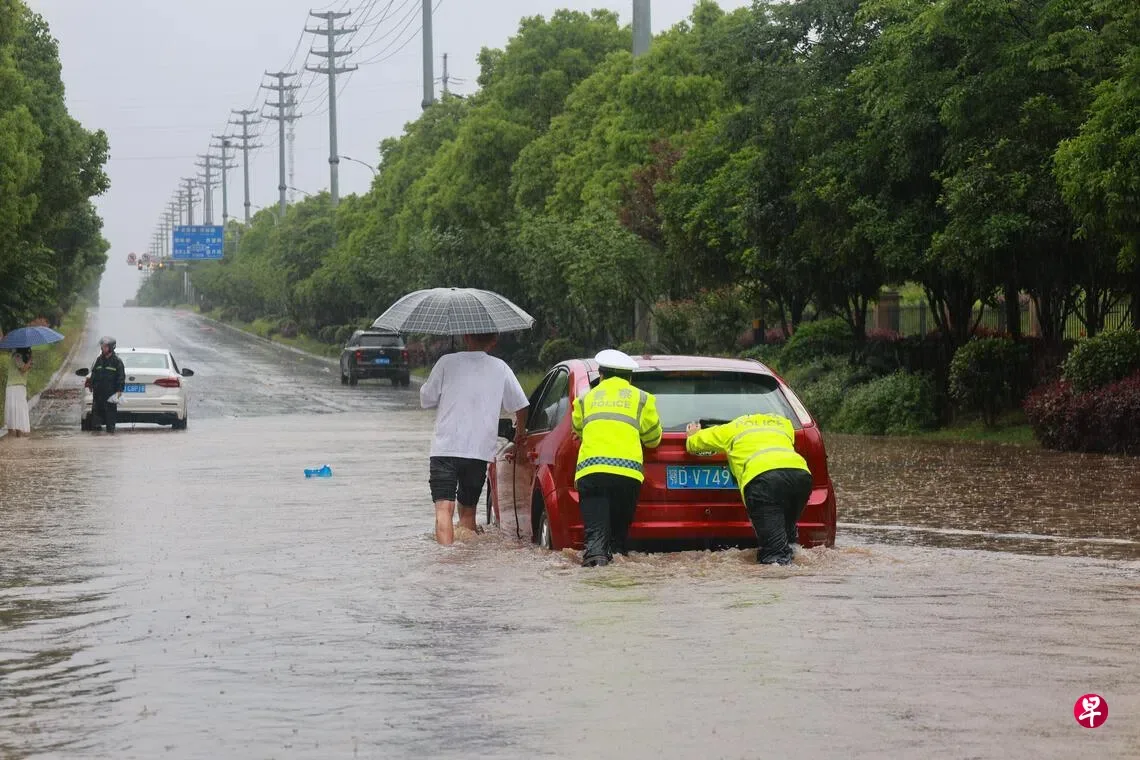
This pattern typically leads to heavier rainfall in summer and autumn south of the Yangtze River and warmer temperatures across most of China [1, 2, 3]. The increased autumn rainfall raises concerns about disruptions to the late rice harvest in southern provinces. Warmer winters may also reduce water supplies needed for spring ploughing in 2027 [2].
Since early 2026, the Southern Power Grid network and power grids in Guangdong, Guangxi, Yunnan, Guizhou, and Hainan have seen over 20 new peak power loads, breaking past seasonal peak patterns [2]. These unprecedented surges point to increased energy demand likely linked to El Nino effects.
The El Nino event is expected to weaken in spring 2027 after delivering its peak impacts during the upcoming autumn and winter months [1, 2, 3]. Authorities continue monitoring the situation to prepare for potential agricultural, energy, and weather-related challenges ahead.