China cancelled two high-level meetings with European Union officials planned for early September 2026, including a visit by Olof Skoog, deputy secretary general of the European External Action Service [1, 2]. The cancellations took place amid escalating trade tensions between the two sides.
Chinese foreign ministry officials said despite the cancellations, both sides remain in communication regarding the dialogue, signaling no formal breakdown in diplomatic exchanges [1]. However, European officials described the cancellations as postponements rather than outright refusals or retaliatory moves by Beijing [1].
The tensions stem partly from the EU imposing several measures on China, including technology bans, cybersecurity updates, and anti-dumping investigations targeted at Chinese goods and firms [2]. These steps are viewed in Beijing as attempts to limit China’s economic rise.
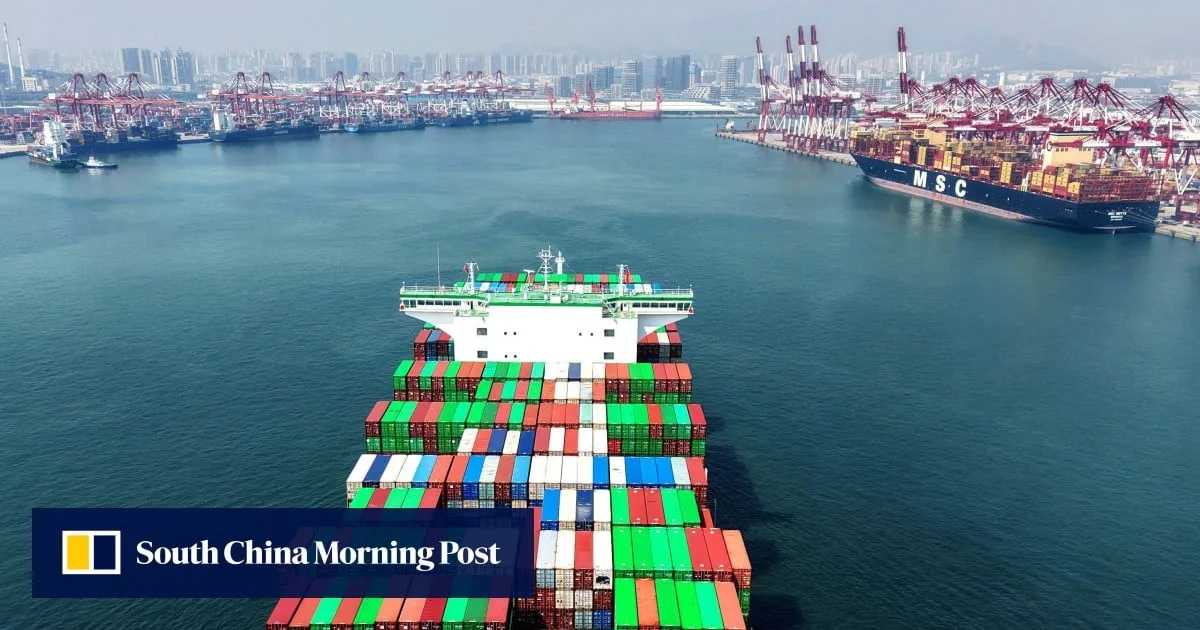
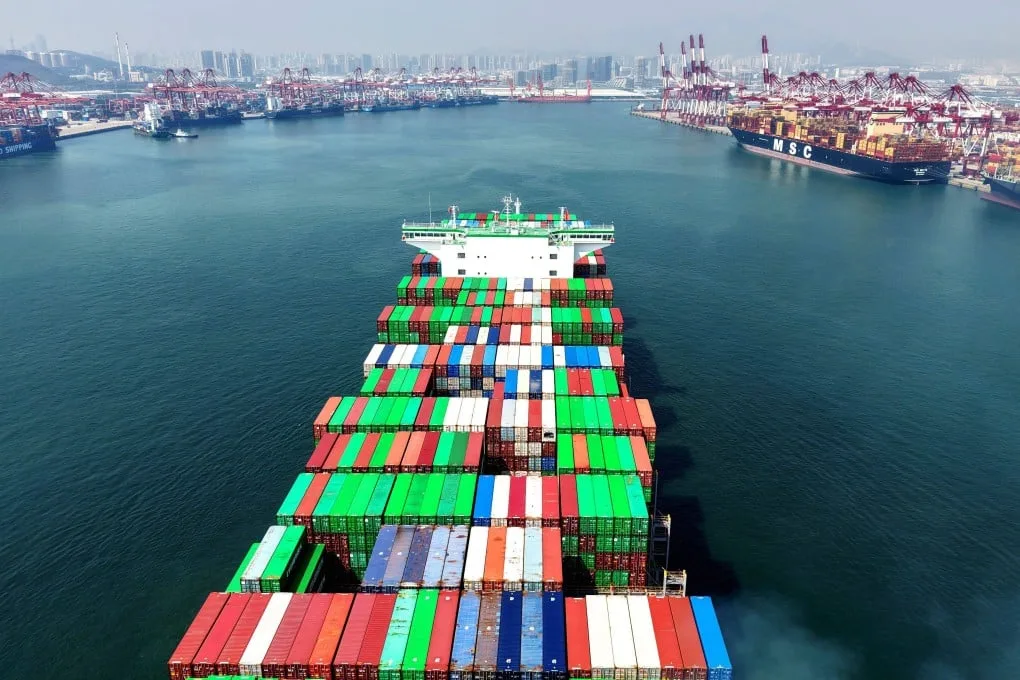
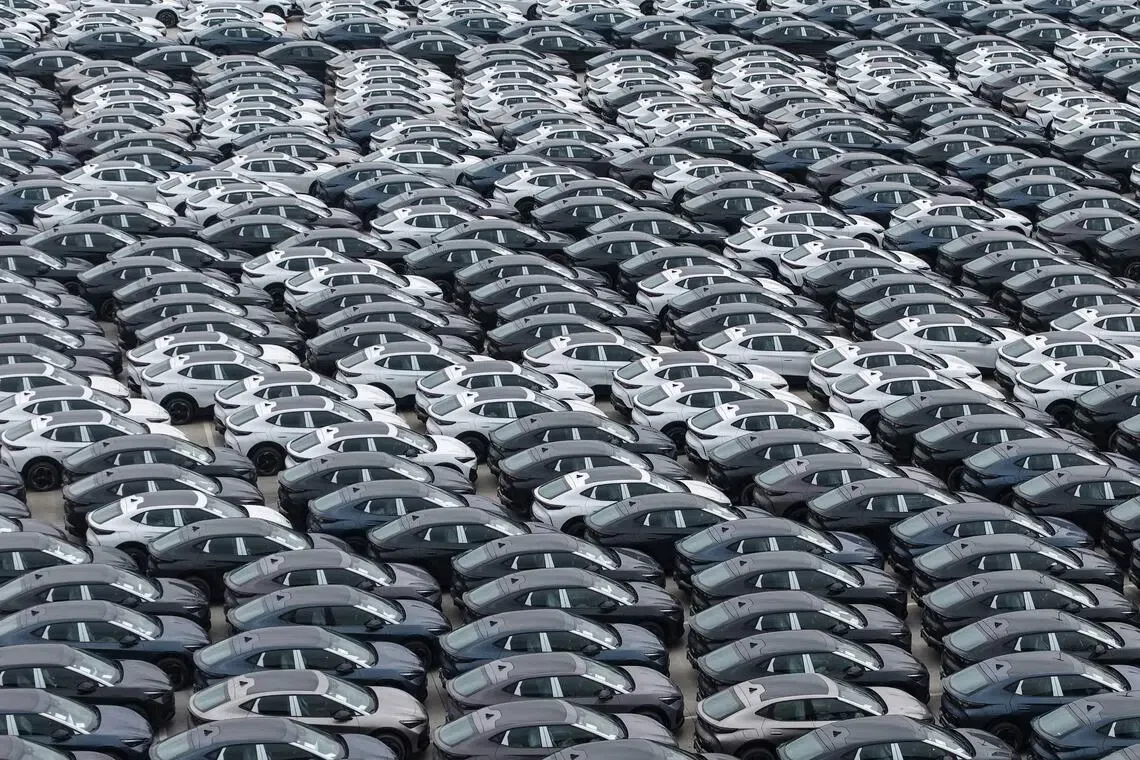
China holds a substantial trade surplus with the EU, valued at €359.8 billion annually, intensifying scrutiny and disagreements over the balance of trade [2]. Guo Mingxu of the China Institutes of Contemporary International Relations criticized European narratives that portray China’s industrial growth and export expansion as threats. He described these as portraying China’s normal development as "an offence – a kind of ‘original sin’ against Europe" [1].
Disagreement persists over the meaning of the cancellations. While the EU says the postponements do not reflect retaliation, some analysts see China’s refusal to hold the meetings as a signal it will not concede on trade tensions or its large surplus [1, 2]. The backdrop of recent EU sanctions and investigations into Chinese industry adds pressure to the already strained relationship.
The next scheduled engagements remain uncertain, but both sides have expressed an intention to maintain communication. A definitive rescheduling of the postponed talks is expected to be addressed in the coming weeks as tensions continue to brew over trade issues [1].