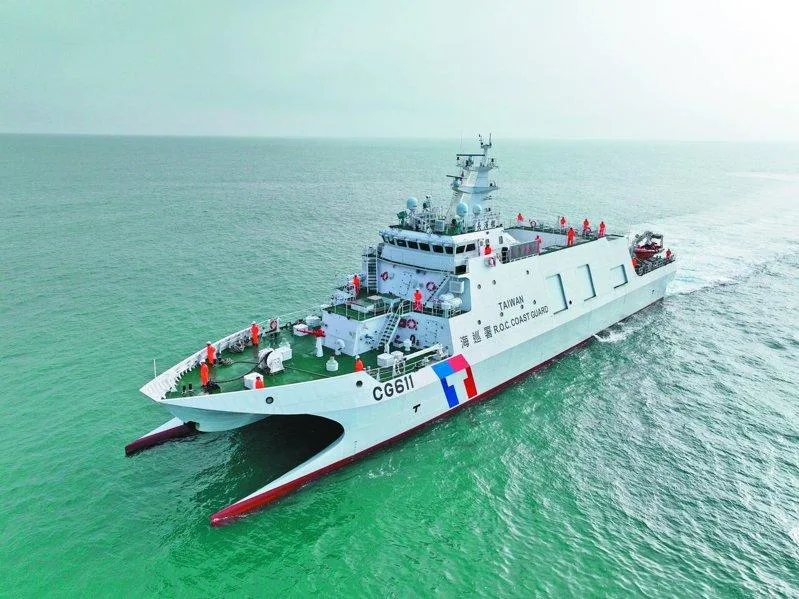
The China Coast Guard conducted law enforcement patrols in the sea area east of Taiwan on June 1, 2026, deploying vessels including the Daishan ship [1, 2, 3, 4, 5, 6]. This marked Beijing’s first explicitly announced independent patrol in that area, distinct from earlier joint military exercises [4].
China said the patrols responded to the Japan-Philippines decision to begin maritime boundary delimitation talks in the same region. A spokesperson for the China Coast Guard, Jiang Lue, said the negotiations “severely infringe China’s territorial sovereignty and maritime rights,” calling the patrols necessary to oppose the talks [1].
China’s Ministry of Foreign Affairs, through spokeswoman Mao Ning, condemned the Japan-Philippines talks as illegal and invalid, insisting that China’s sovereign rights remain unaffected. China lodged serious diplomatic protests with Tokyo and Manila over the issue [1, 3, 7, 6].
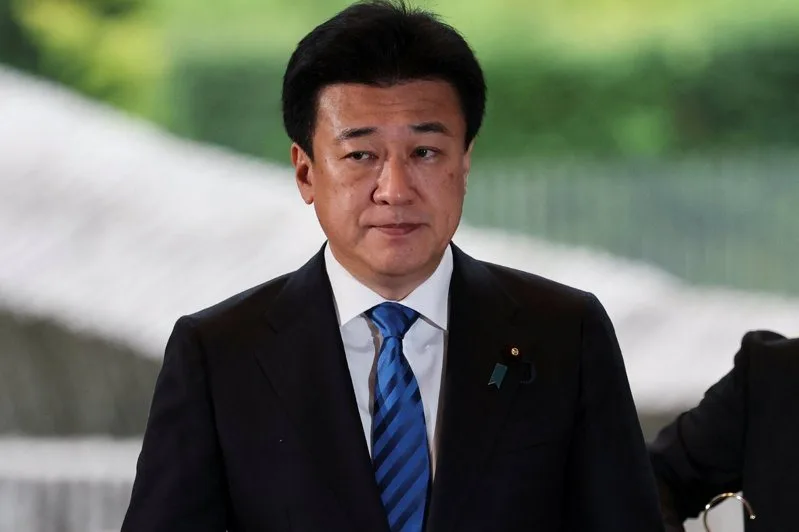
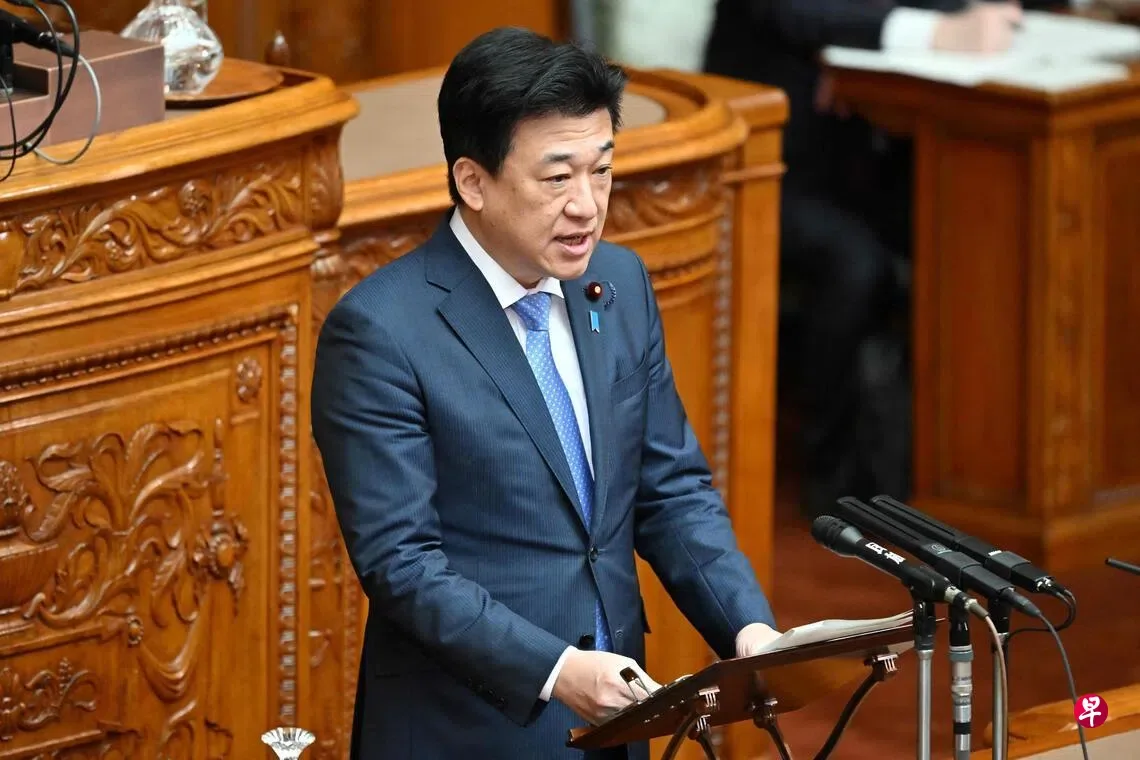
Japan and the Philippines announced on May 28, 2026, they would formally start negotiating delimitation of their Exclusive Economic Zones (EEZ) and continental shelves based on international law [1, 7, 8, 6]. Japanese Chief Cabinet Secretary Minoru Kihara said on June 1 that the agreement does not legally bind third parties and complies fully with international law, rejecting China’s claims [7, 9].
Taiwan’s Ministry of Foreign Affairs expressed support for Japan and the Philippines’ peaceful, law-based approach and emphasized trilateral cooperation to maintain peace and protect marine ecology [1, 2, 3, 7, 8, 6]. Taiwan coast guard vessels monitored two Chinese Coast Guard ships near Lanyu island, about 51-52 nautical miles east-southeast of the island, as they sailed just outside Taiwan’s territorial waters [2, 8].
Scholars note Beijing’s core concern is whether the Japan-Philippines talks involve maritime claims overlapping with Taiwan’s EEZ and shelf, which could challenge China’s “One China” principle and territorial sovereignty claims. Nanyang Technological University’s Xu Ruilin said, “Beijing is especially concerned whether Japan-Philippines negotiations involve overlapping claims with Taiwan, which could challenge the One China principle.” [1]
Opposition parties in Taiwan criticized the government’s handling of the issue, demanding formal engagement and stronger protection of Taiwan’s maritime rights amid the trilateral tensions [7, 8]. Meanwhile, analysts point out Beijing has increased patrols and grey-zone tactics around Taiwan and nearby disputed areas, with over 30 Chinese Coast Guard incursions around the Dongsha Islands in the past year [10, 11, 12].
The Taiwan Coast Guard will continue close monitoring of Chinese vessels near sensitive areas.
Japan and Philippines negotiations on maritime boundaries are ongoing following their May 28 announcement and remain a focal point of regional tensions in the coming months.