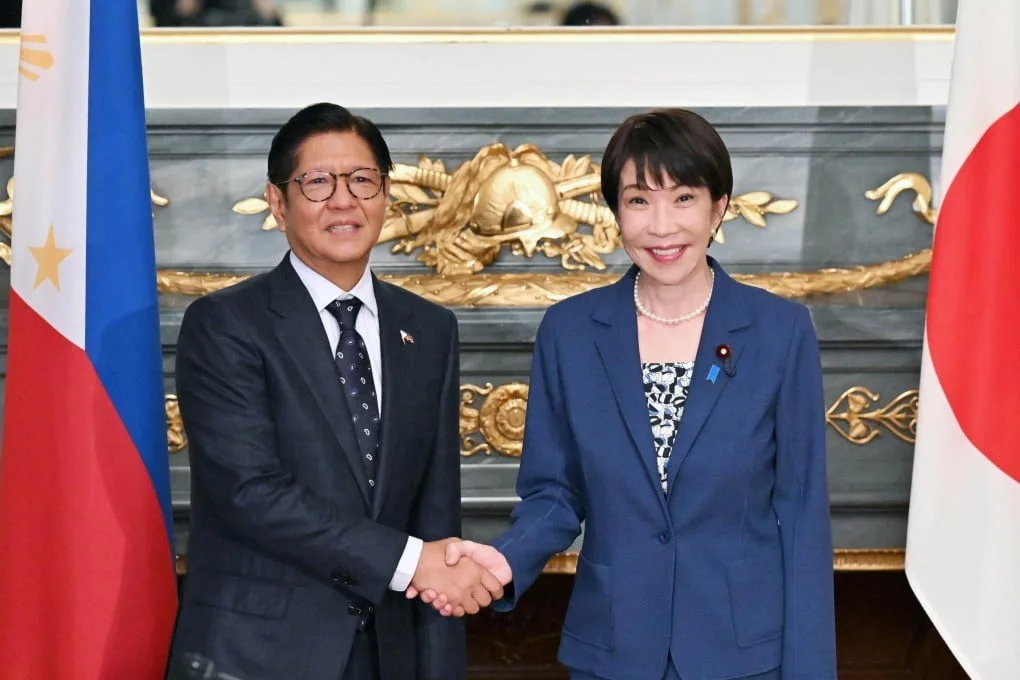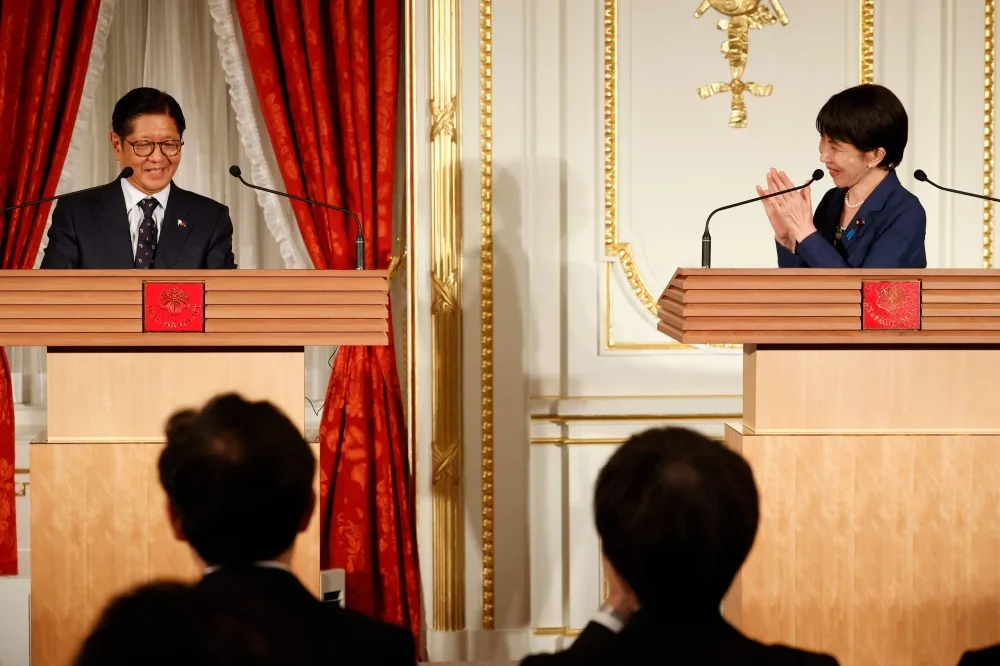
Japan and the Philippines agreed to start formal negotiations to delimit maritime boundaries of their exclusive economic zones (EEZ) and continental shelves in waters east of Taiwan, announced after a summit in Tokyo on May 28 between Japanese Prime Minister Sanae Takaichi and Philippine President Ferdinand Marcos Jr. [1, 2].
China claims exclusive economic zone and continental shelf rights in the same waters covered by the proposed Japan-Philippines talks. On May 29, China issued an official condemnation through foreign ministry spokeswoman Mao Ning, stating the talks are "entirely illegal and invalid," "null and void," and will have "no effect on China's claims to rights in the area east of the Taiwan island" [3, 2]. Mao added, "China is strongly dissatisfied with and firmly opposed to this" [3]. China also lodged formal protests with Tokyo and Manila concerning the negotiations [3, 2].
Japan and the Philippines do not share direct maritime borders but their seabed claims could overlap when extending continental shelves beyond 200 nautical miles (370 km or 230 miles) from their coasts [1]. The two countries have recently elevated bilateral ties into a comprehensive strategic partnership, including cooperation on economy, security, and intelligence sharing [1]. They aim to promote peace, stability, and mutual trust through their maritime cooperation and ongoing negotiations [2].
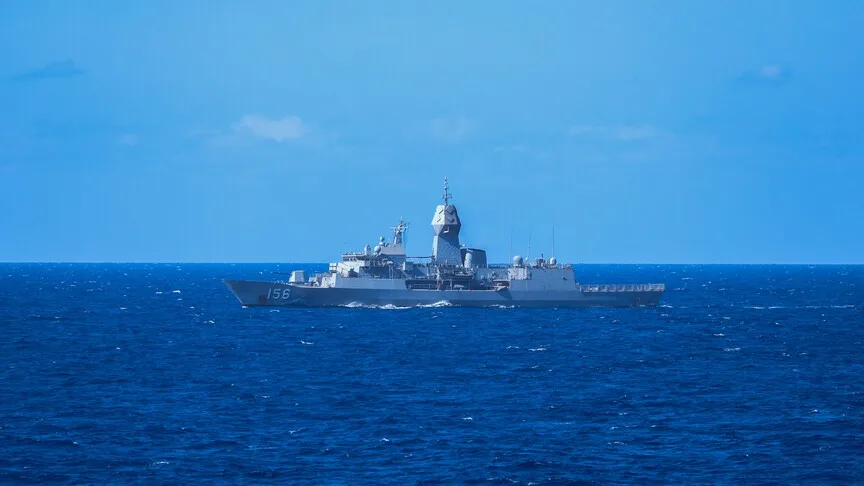
China, Japan, and the Philippines are involved in broader maritime tensions in the East China Sea and South China Sea regions, adding a complex geopolitical dimension to the boundary talks [3].
The next step will be the continuation of formal maritime delimitation negotiations between Japan and the Philippines following their joint announcement at the May 28 summit [1, 2].