On June 13, the US Pentagon updated its list of companies it designates as supporting the Chinese military. The list now includes major firms such as Alibaba, Baidu, BYD, NIO, Trina Solar, and JA Solar Technology [1, 2, 3]. Under US law, the Defense Department will be banned from contracting directly with these companies or purchasing their products through third parties starting in 2027 [2, 3].
China’s Ministry of Commerce responded with strong dissatisfaction and firm opposition to the updated list, labeling it a misuse of national security to suppress Chinese companies. It warned of resolute and forceful countermeasures if Washington does not reverse the decision. The ministry urged the US to "immediately withdraw relevant measures and return to the correct track of building a constructive strategic and stable China-US relationship" [1, 2, 4, 3].
This Pentagon update replaces an earlier list from early 2025 and follows a June 2026 meeting in Beijing between Presidents Trump and Xi Jinping that maintained a fragile trade truce [2, 3].
Meanwhile, on June 14, the Lowy Institute released a report warning that China’s military threat to Australia is growing. The report highlighted China’s direct missile strike capabilities with intermediate-range ballistic missiles such as the DF-27, and hypersonic weapons. The DF-27 is reported to have a range of 5,000 to 8,000 km, which can reach Australia [5, 6, 7, 8].
China condemned the Lowy Institute’s report on June 15 as a serious strategic misjudgement. Chinese foreign ministry spokesperson Lin Jian said, "The growth of China’s military strength represents an increase in the forces for world peace. China’s development of military strength is intended to safeguard national sovereignty, security and development interests and is not directed at any specific country" [6, 7, 8].
On June 16, the US announced plans to build a permanent Marine Corps weapons stockpile in southeastern Australia, located beyond the range of most Chinese missiles. The project is funded with US$30 million and expected to reach full capacity by 2028 [9].
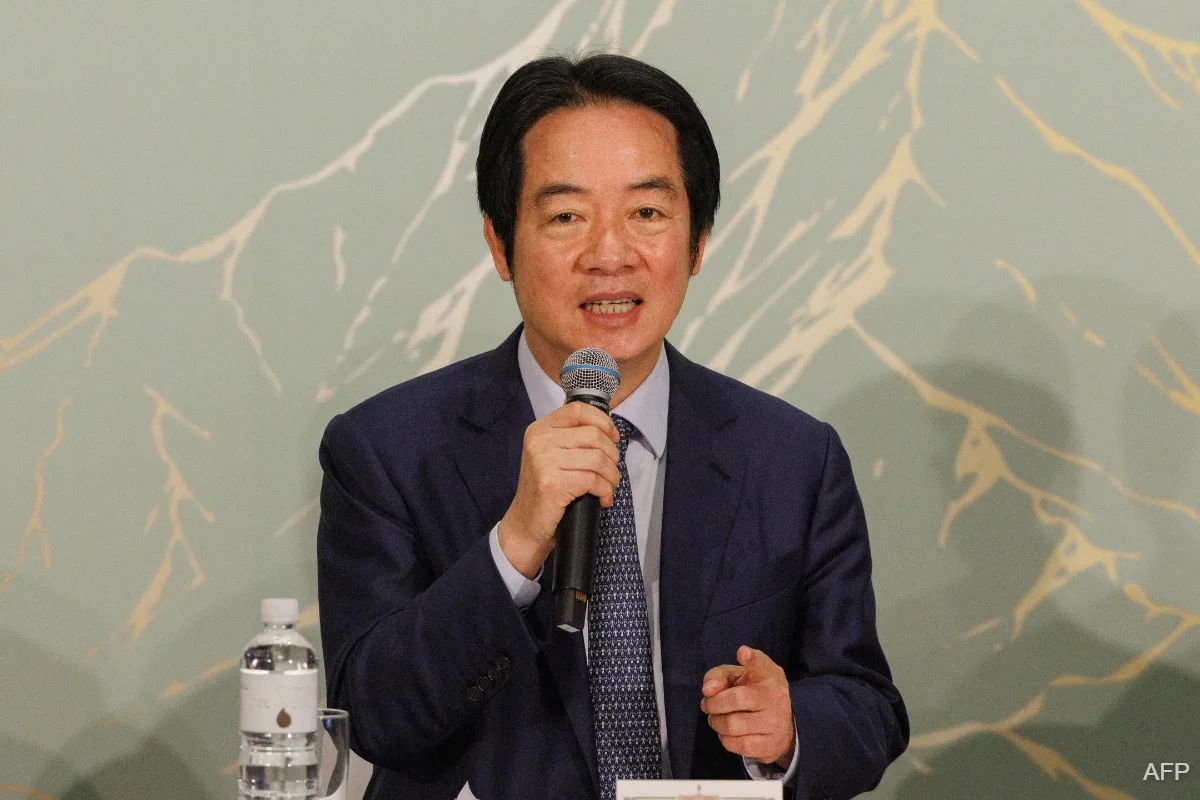
On June 18, Taiwan President Lai Ching-te urged the US to approve a proposed US$14 billion arms sale swiftly to strengthen Taiwan’s defense against China’s growing military threat. Lai rejected unification with China, saying, "Taiwan's efforts to safeguard its national security, uphold its democratic and free way of life, and reject unification and the rule of the Chinese Communist Party should not be seen as a provocation against China or a troublemaker in the region" [10, 11].
China warned Taiwan against seeking independence by relying on the US or military means, calling such attempts a "dead end" and accused Taiwan’s leaders of anxiety and insecurity [10].
The US prohibition on contracts with listed Chinese firms will take effect starting in 2027, marking the next major step in converging US policy on Chinese companies seen as tied to Beijing’s military.