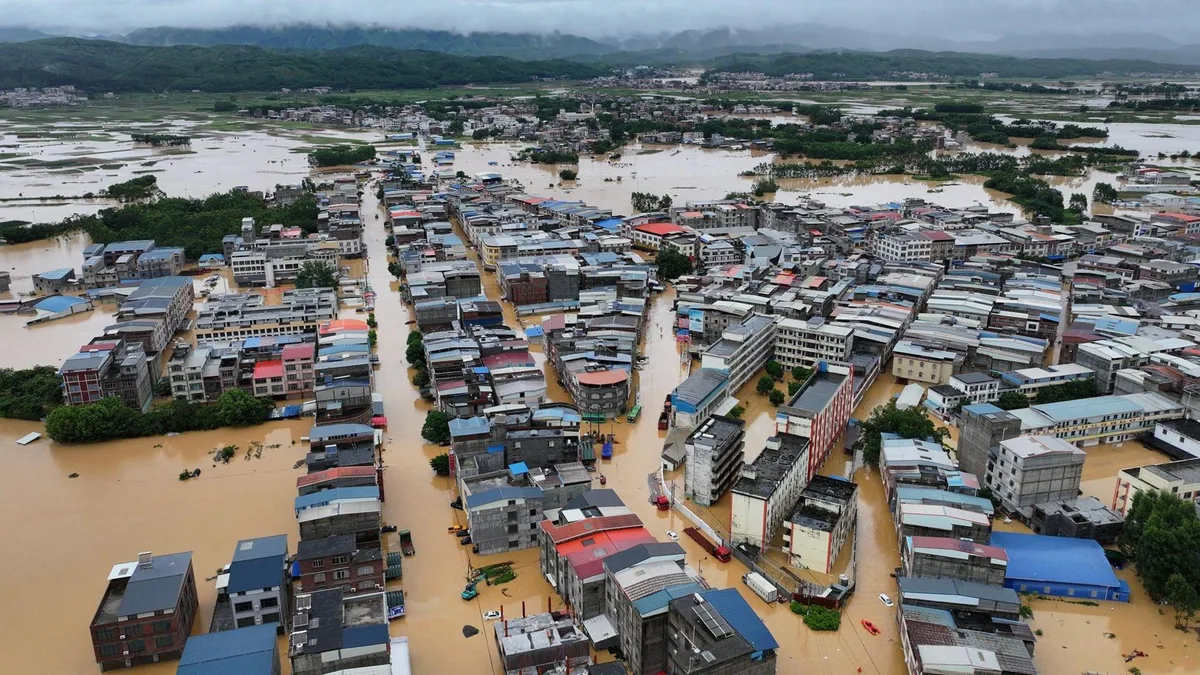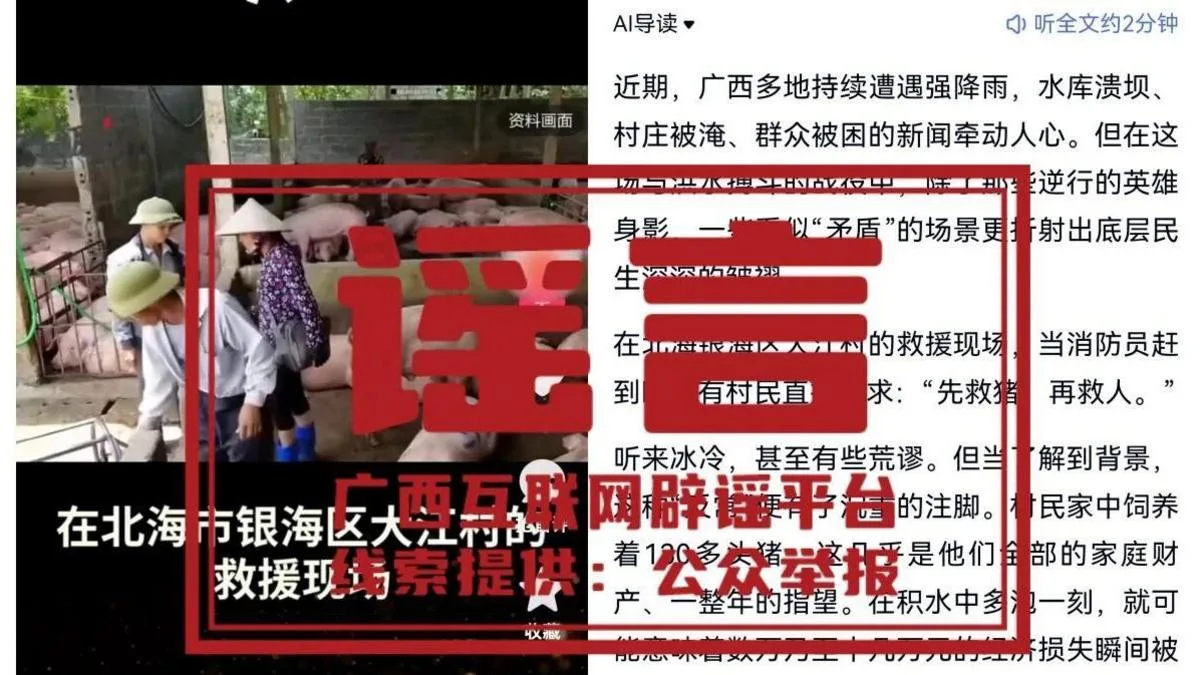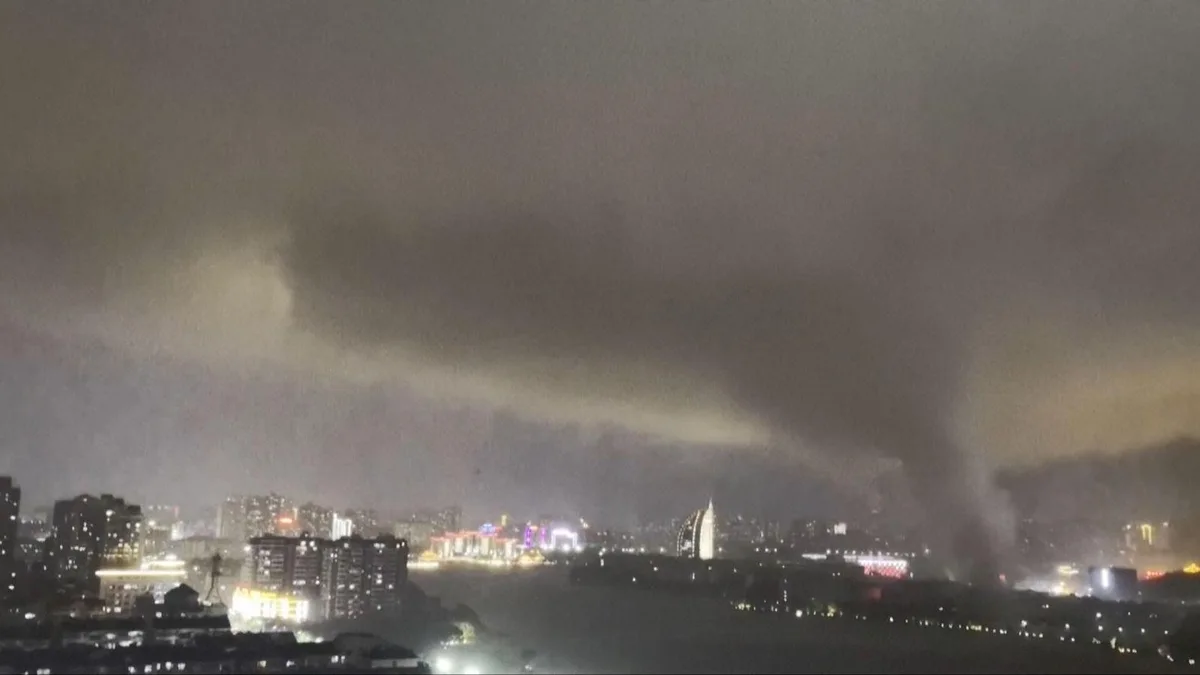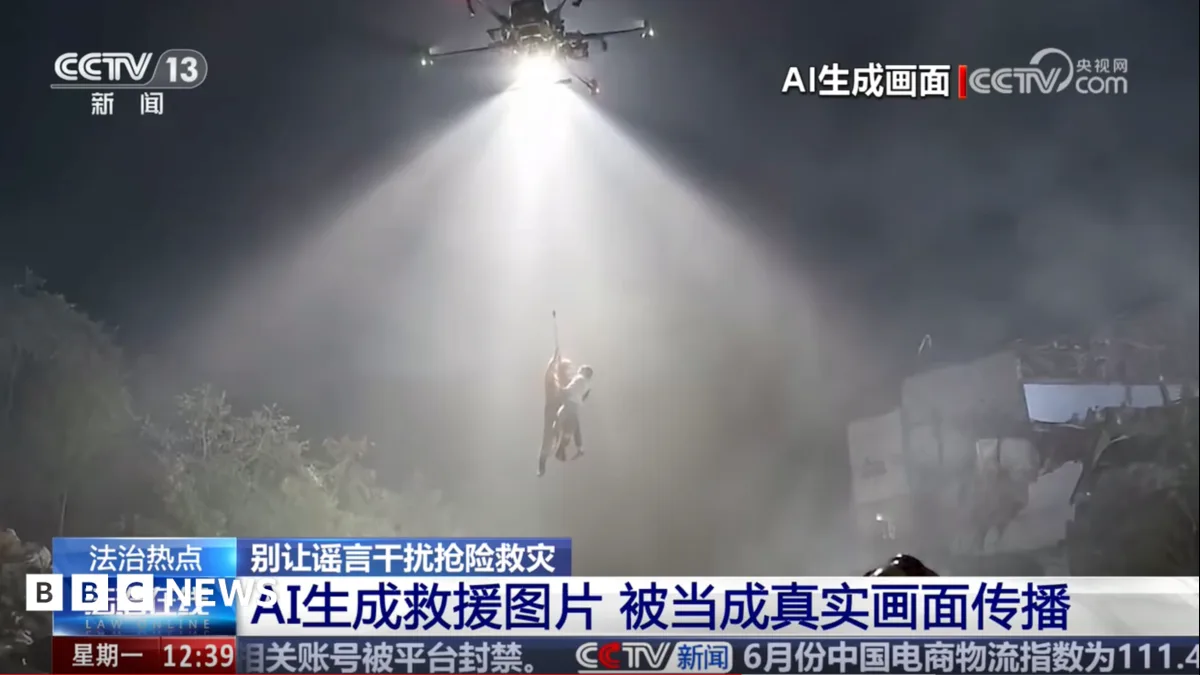
China is confronting a wave of dangerous and misleading AI-generated videos amidst frequent natural disasters like floods and Typhoon Noul, which struck over the weekend of late July 2026 [1, 2, 3, 4]. Fake videos circulating on social media have included fabricated images of dead bodies floating in floodwaters, false flooding in unaffected areas, and distorted portrayals of emergency responses [1, 2, 3, 4]. Some false reports about power outages have triggered panic buying of emergency supplies in certain regions [1, 2, 3, 4].
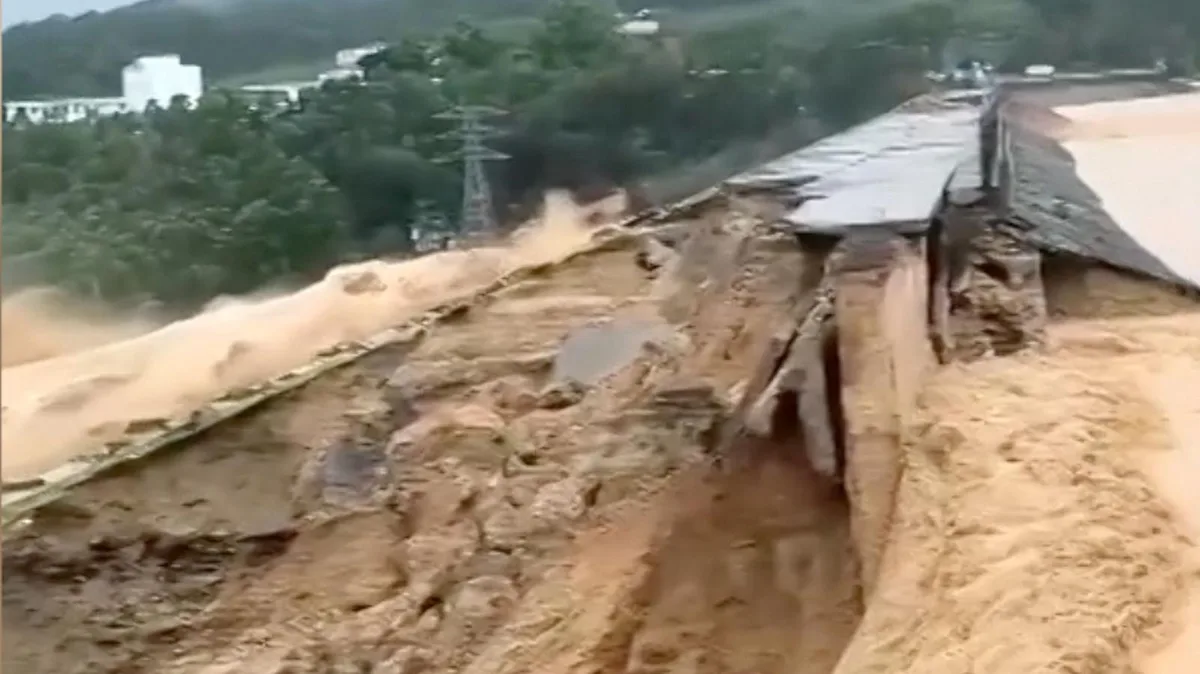
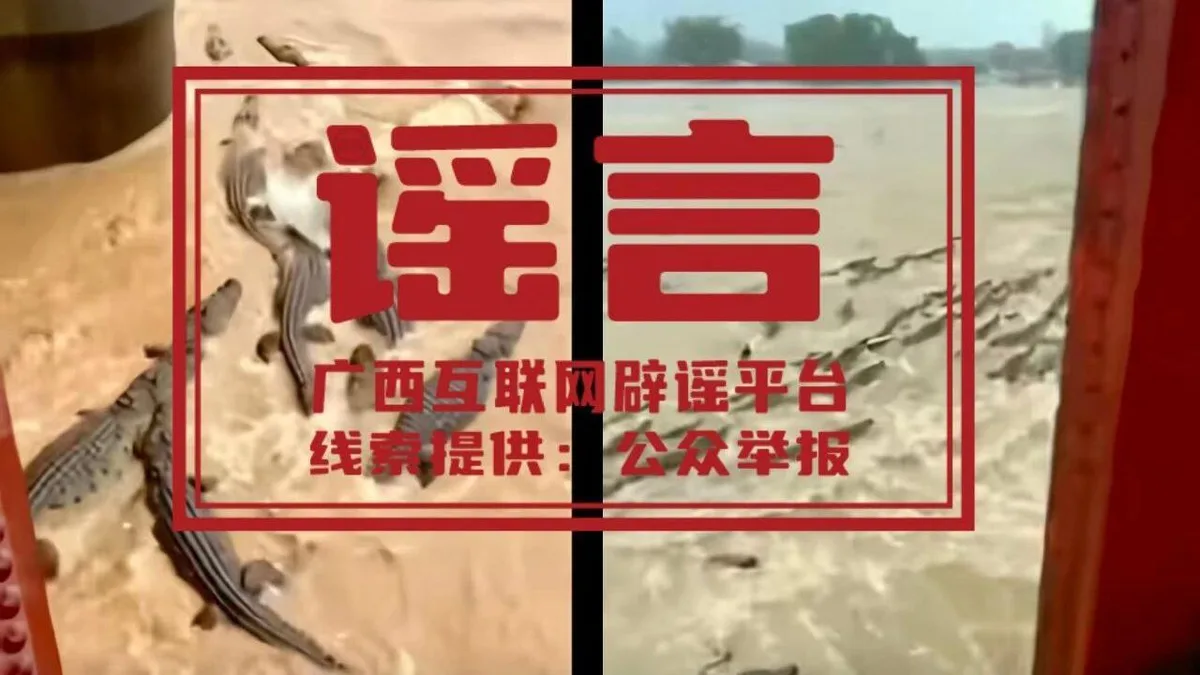
Earlier in July, flooding in Hengzhou City, Guangxi forced hundreds of snakes to escape breeding farms. Alongside this, fake images circulated showing crocodiles being released into a river, adding to public confusion [1, 2, 3, 4]. Around the same time, government officials ordered journalists to soften wording about a major breach of the Liulan reservoir dam near Nanning, which caused at least 26 downstream deaths [2, 3, 4]. This underreporting and occasional downplaying of disaster severity has fueled public distrust and created a vacuum exploited by misinformation actors [2, 3, 4].
Authorities worry the rapid rise of AI-driven misinformation complicates rescue operations amid mass evacuations. AI technology, heavily backed by billions in government investment, now enables low-barrier tools to quickly generate false content at scale [1, 2, 3, 4]. Experts warn this leads to an unprecedented misinformation crisis, as content creators need no advanced skills to produce realistic fake videos using simple AI prompts. Professor Chen Bin noted that "rumor production thresholds have dropped significantly, allowing quick generation of fake text, images, audio, and video with just 'one-line commands,' driving mass production of fabricated content" [2].
Motivations behind spreading false content vary, including seeking fame, boosting social media traffic, and deliberately sowing panic or unrest [2, 3, 4]. Zhejiang Deputy Police Chief Huang Zhihua said many online creators treat disaster coverage as a tool for gaining followers by spreading shocking or exaggerated content to grab attention [4]. Experts call for trusted information infrastructure, such as official warning systems and accessible disaster data for media, to counter misinformation [2, 3, 4]. However, detection technology currently lags behind AI generation tools, creating a "cat and mouse game" in identifying fake content [2, 3, 4].
Since July 23, 2026, China’s Cyberspace Administration has launched a nationwide crackdown on false online content tied to floods and disasters. It ordered local agencies to investigate fabrication, malicious editing, staged scenes, and impersonation rapidly [2, 3, 4]. A special police task force monitors social media, especially short video platforms, to investigate and punish fake video production and distribution [2, 3, 4]. Punishments range from fines to up to seven years imprisonment for causing serious consequences [2, 3, 4]. Ningbo Public Security's Gao Kai stressed that fake information creators will be punished because "the internet is not lawless" [2, 3, 4]. Shanghai-Washington practicing lawyer Peter Pang said, "platforms bear primary responsibility as the enablers of dissemination," and those creating panic must face legal consequences [2].
China has over 6,000 AI companies and aims to be a global AI leader, but authorities urge combining public education with law enforcement for better results [2, 3, 4]. Experts warn AI-generated misinformation will only increase in volume and speed, threatening elections, public health, conflicts, and natural disasters [2, 3, 4]. Governments and platforms are urged to prepare proactively before fake content spreads widely.
Recent weeks have already seen arrests and punishments from detention to fines for creators of false reports and videos, showing authorities’ intent to stem the flow of misinformation during disaster response [1, 2, 3, 4].