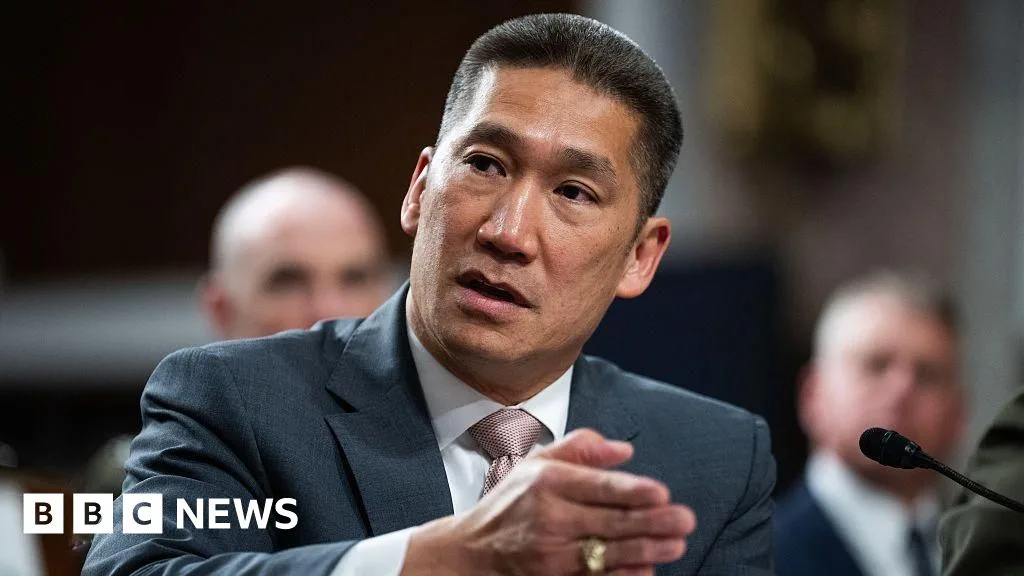
The United States announced a pause on a $14 billion arms sale to Taiwan to preserve munitions needed for military operations against Iran, known as Operation Epic Fury. Acting US Navy Secretary Hung Cao confirmed the hold during a Senate hearing on May 21, stating, "Right now we're doing a pause in order to make sure we have the munitions we need for Epic Fury - which we have plenty. We're just making sure we have everything, then the foreign military sales will continue when the administration deems necessary" [1, 2, 3, 4].
President Donald Trump has not yet given final approval to the arms package, calling it a "very good negotiating chip" with China and saying he will make a determination soon. Trump also said he planned to speak with Taiwan's President Lai Ching-te about the sale, marking a break with previous US precedent, though no call had been scheduled as of late May [1, 5, 4].
Taiwan's presidential office stated on May 22 that it had received no official notification about any changes or pause to the arms sale. Presidential spokeswoman Karen Kuo said, "There is no information indicating that the US intends to make any adjustments to this arms sale" [1, 6, 3].
China has strongly opposed US arms sales to Taiwan, calling them a serious violation of its sovereignty. Chinese Foreign Ministry spokesman Guo Jiakun said, "China’s firm opposition to US arms sales to China’s Taiwan region is consistent, clear and unwavering" [1, 7].
Some analysts and insiders expressed skepticism about the official reason for the pause. They argue that US munitions stockpiles are sufficient for both the Iran conflict and Taiwan, suggesting the stated link to Operation Epic Fury may be a pretext. Sources also noted that arms sales take years to complete, making an immediate supply impact unlikely [4, 8, 9].
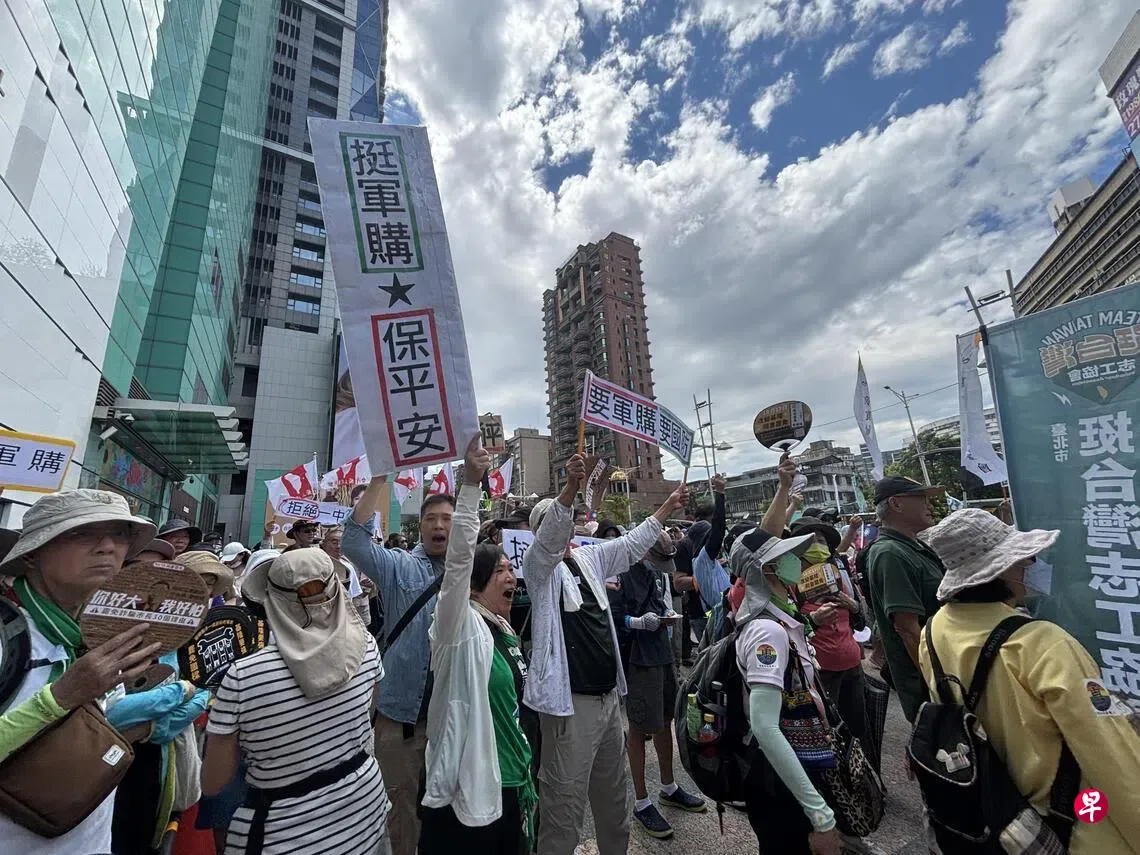
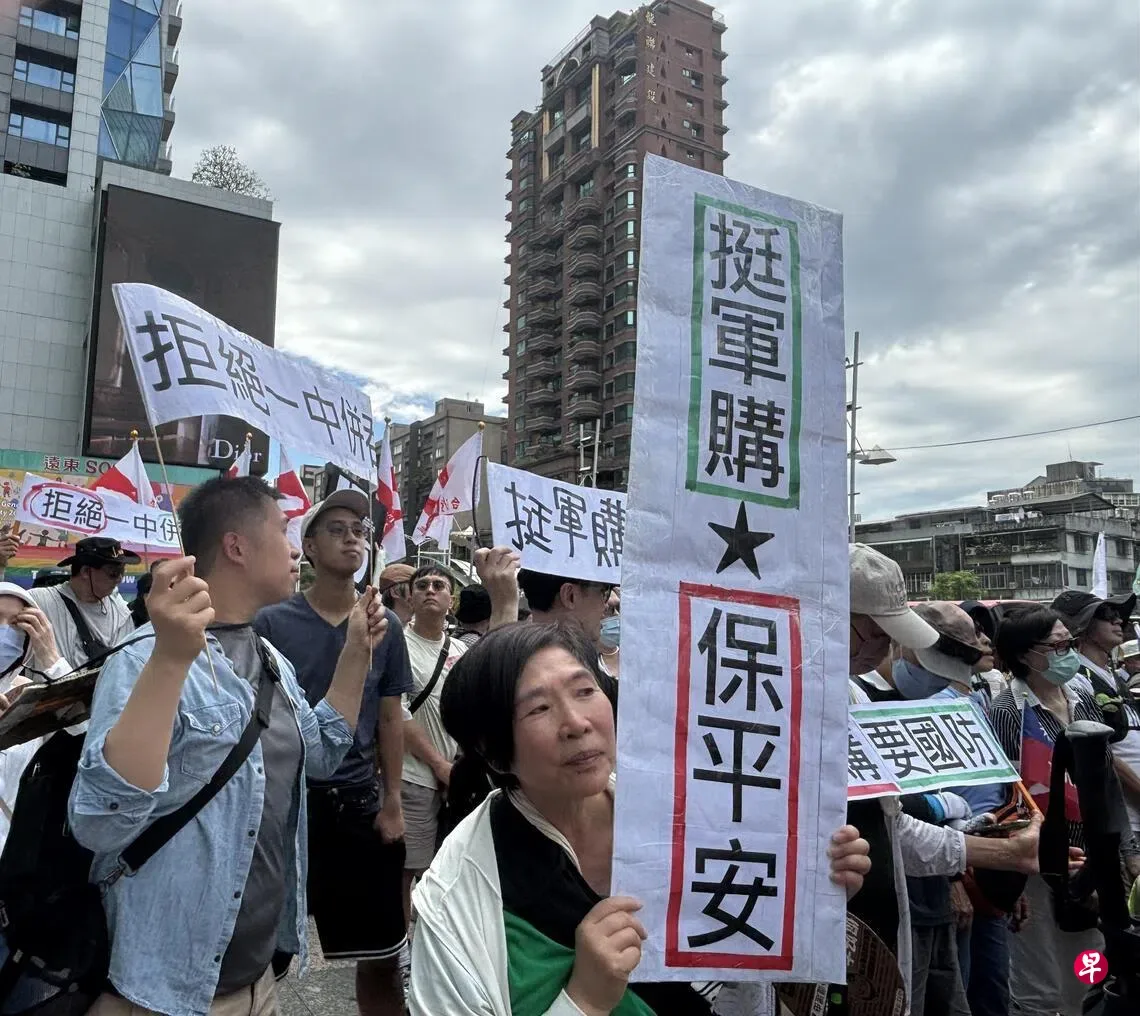
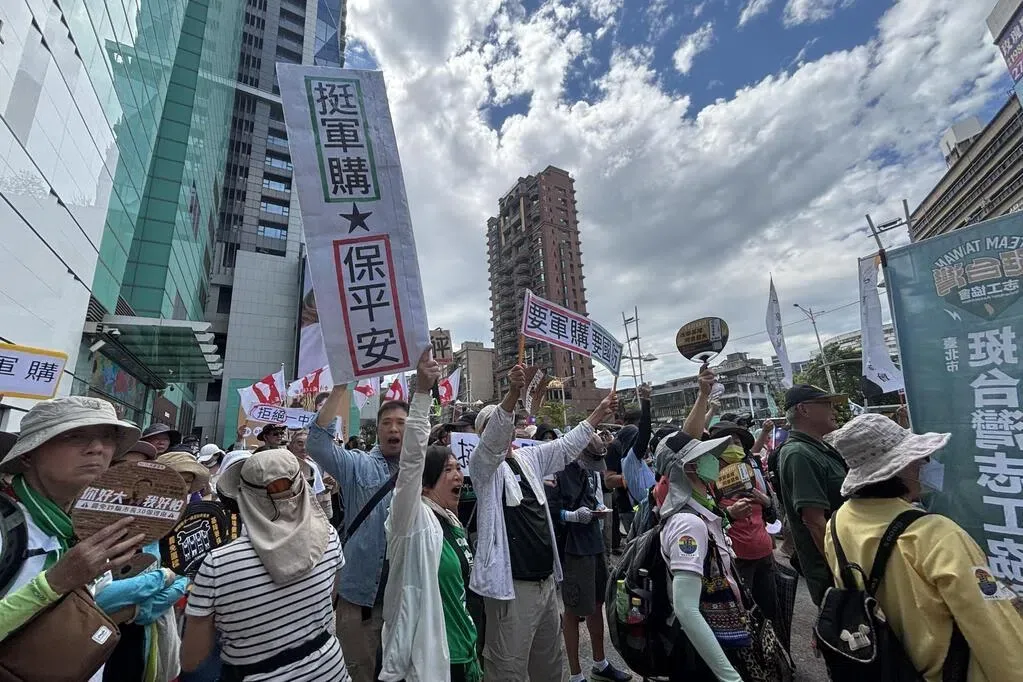
In response to worries over the pause, Taiwan's legislature is working on increased defense budgets and special procurement requests, including NT$294.99 billion (about 119.63 billion SGD), to support military acquisitions [6, 9].
The US President's Beijing visit from May 14 to 17 included discussions on Taiwan arms sales, during which China warned of risks to ties from the Taiwan issue [1, 10, 2]. On May 20, Trump said he would talk with Taiwan's leader about the sales but no call had been scheduled by late May [5, 4].
The next development is awaited on whether Trump will authorize the package or finalize discussions with Taiwan's leader. The arms sale remains on hold pending further administration decision.