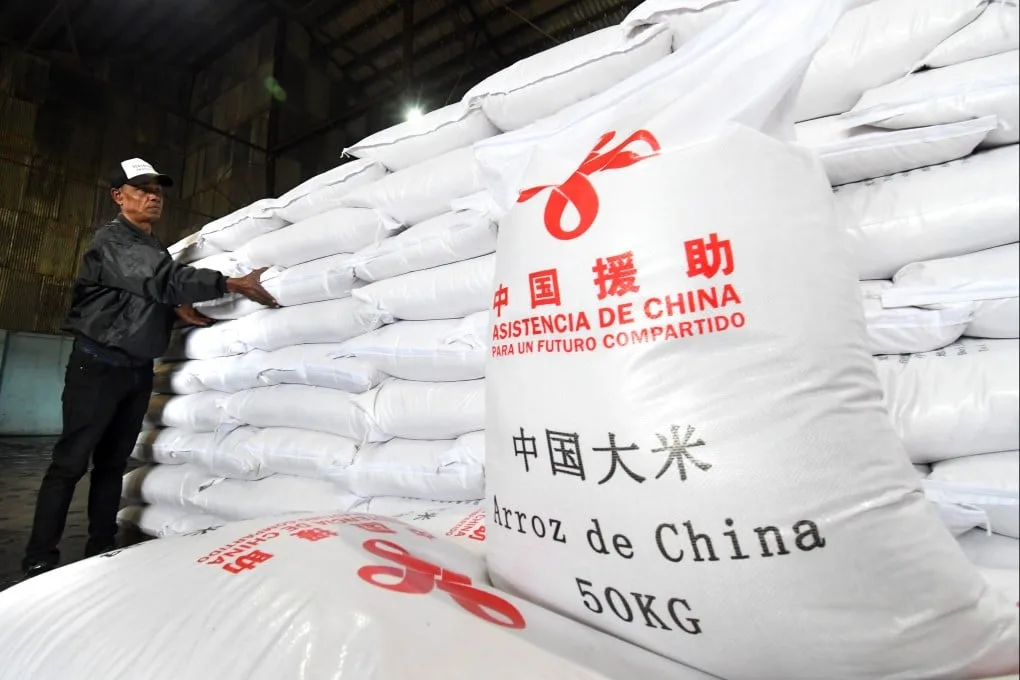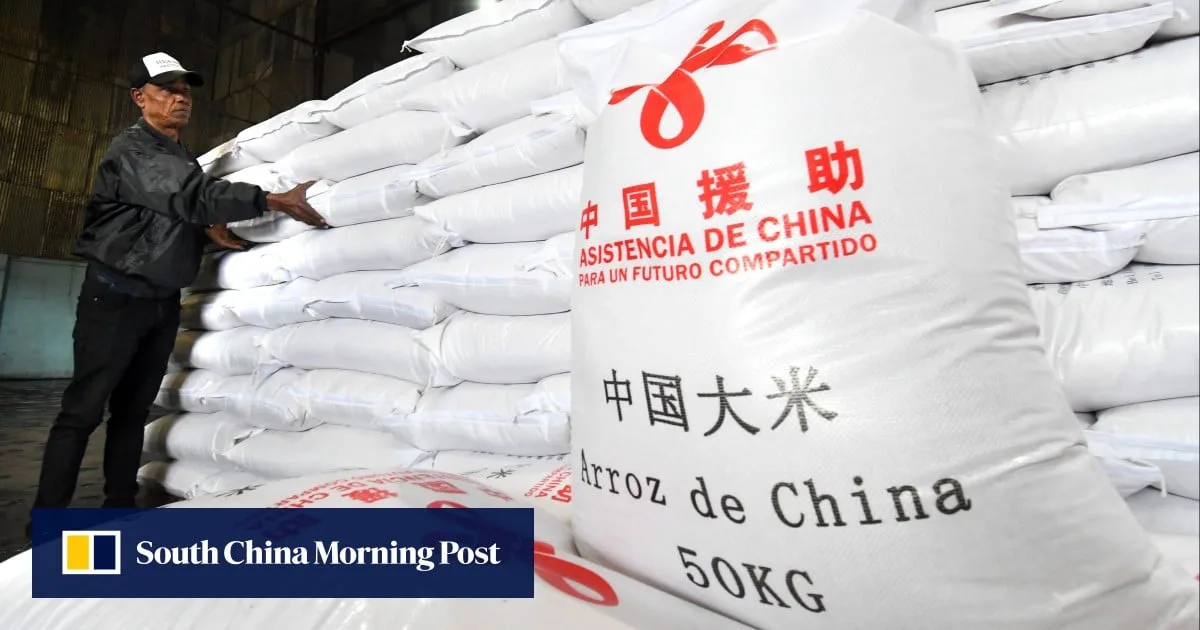
China delivered the first 15,000-tonne shipment of rice to Cuba at Havana port on May 23, 2026, as part of a promised 60,000 tonnes of aid. [1, 2]
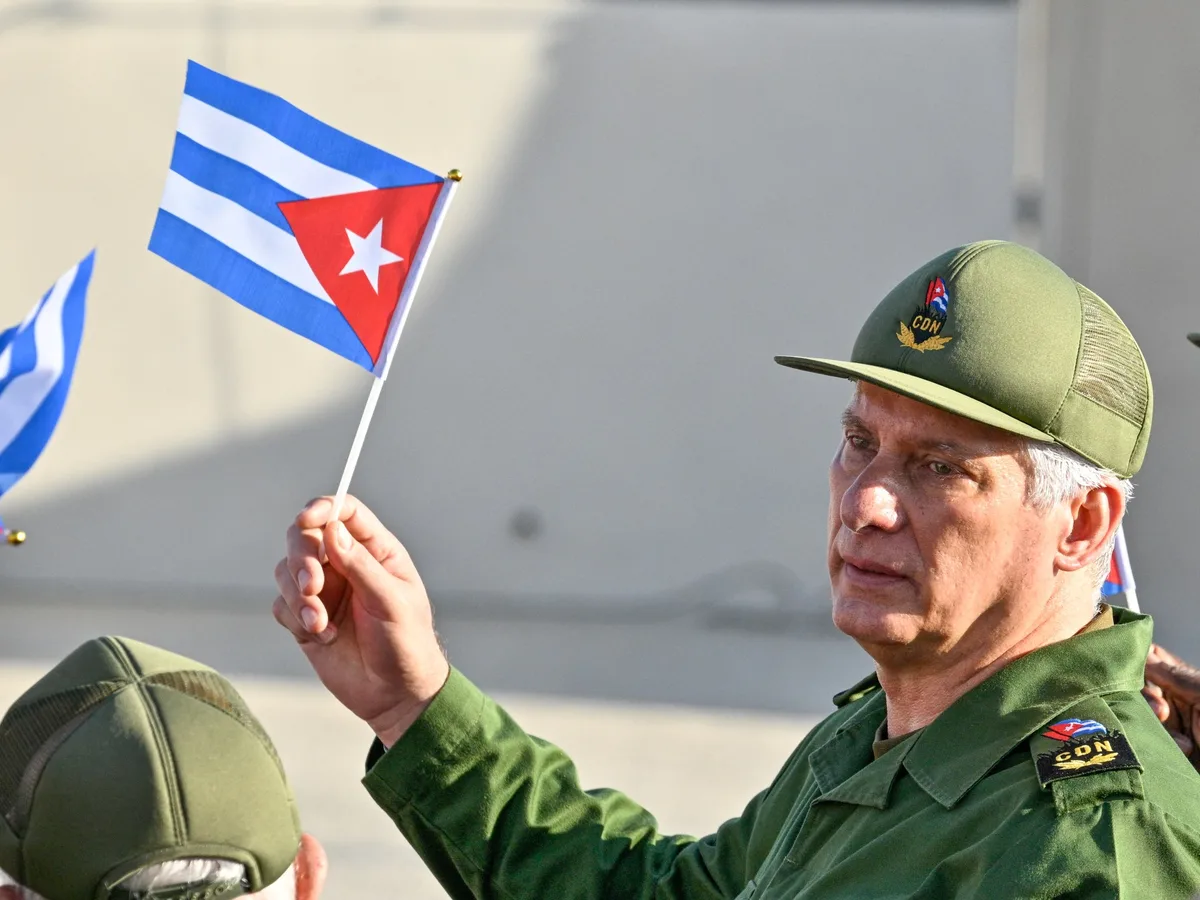
Cuban President Miguel Diaz-Canel thanked China for the "solidarity" and condemned US sanctions against Cuba as "collective punishment". He said the rice aid would "reach millions of consumers throughout all the provinces and the special municipality of Isla de la Juventud, in addition to our health and education institutions." [1, 2]
Cuba faces severe shortages of food, medicine, and energy amid a worsening humanitarian crisis. Since January 2026, a US trade embargo and a blockade of Venezuelan oil shipments have cut off 60% of Cuba’s oil imports, leading to widespread blackouts and disruptions to public services including transportation and medical care. [1, 2]
The US launched a military operation targeting Venezuelan President Nicolas Maduro on January 3, 2026, leading to halted oil shipments to Cuba. By the end of January, the US classified Cuba an "unusual and extraordinary threat" and threatened sanctions against countries supplying oil to Cuba. [2]
In early August 2026, Cuba announced it had exhausted its oil supplies amid ongoing energy crises and blackouts. [2]
President Diaz-Canel described the situation as akin to "genocide," underscoring the severity of the crisis. [2]
China has also donated solar panels aimed at modernizing Cuba’s energy infrastructure and reducing reliance on fossil fuels, according to Chinese sources. [2]
The next rice shipments from China are expected to continue as part of the total 60,000 tonnes promised, providing vital food aid amid Cuba’s ongoing humanitarian challenges. [1, 2]