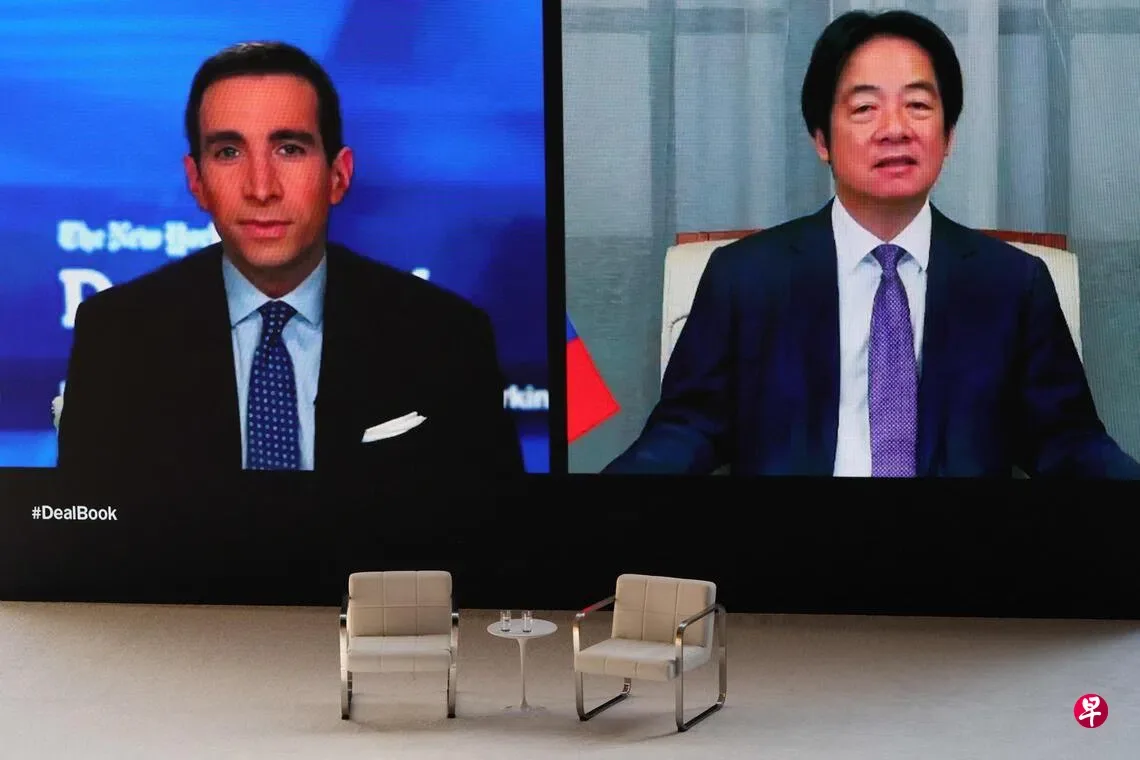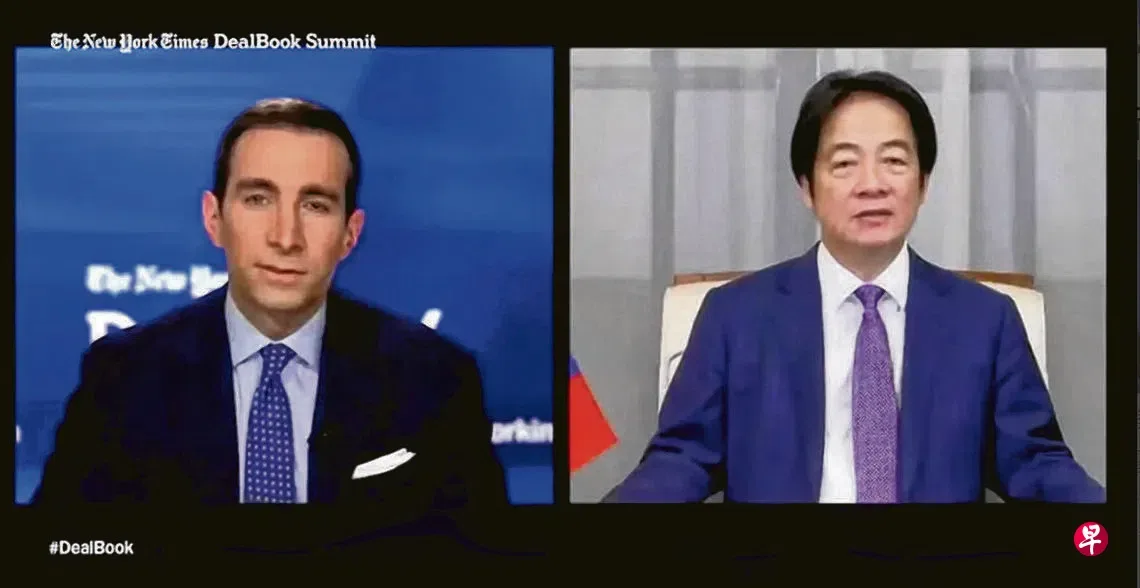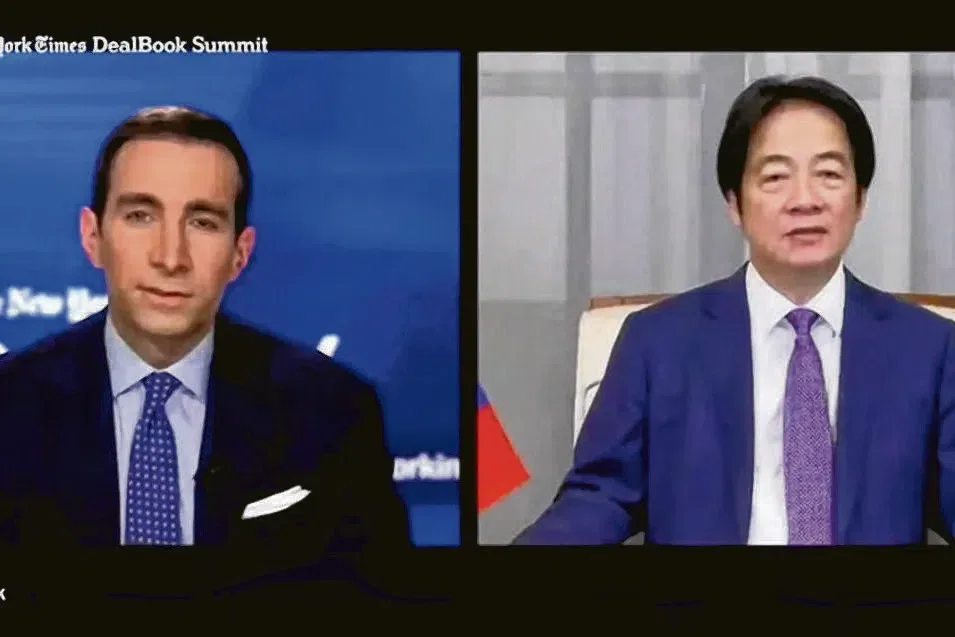
China expelled Vivian Wang, a New York Times reporter based in Beijing, in February 2026 after the New York Times hosted a prerecorded video interview of Taiwan President Lai Ching-te at its December 2025 DealBook Summit [1, 2, 3]. Wang was not involved in the interview or its production, according to multiple sources [1, 2, 3].
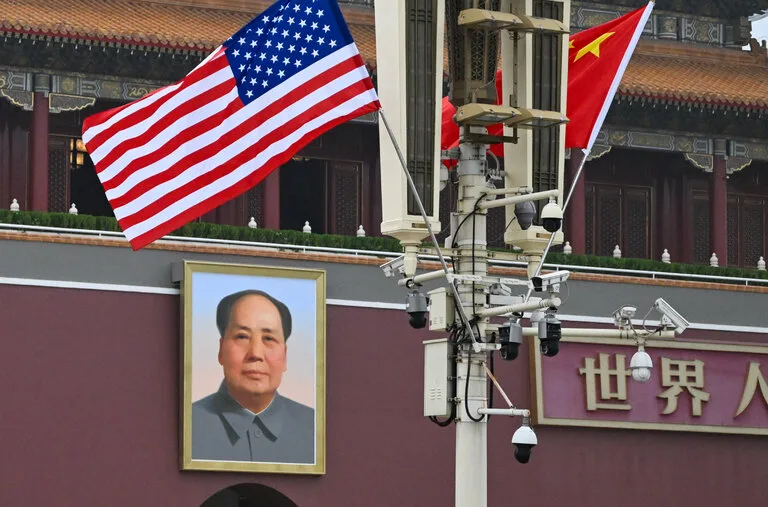
The Chinese government justified the expulsion on grounds that the New York Times violated the One-China principle by providing a platform for "Taiwan independence" views. Chinese Foreign Ministry spokesperson Lin Jian said, “The New York Times spread ‘Taiwan independence’ separatist fallacies and violated regulations on foreign journalists; China revoked her residency permit accordingly” [4, 5]. China also claimed Wang violated laws and had records of "fraudulent visits" [4, 5].
The New York Times strongly disputed these claims. Executive Editor Joseph Kahn said, "China’s decision to expel Vivian Wang is wrong. Her removal will make it harder for our global readers to get accurate, independent coverage of the world's second-largest economy at such a critical time" [2]. After Wang’s departure, only one New York Times correspondent remains permanently stationed in Beijing, sharply reducing the US media presence in China, which now totals just over 20 foreign journalists employed by American outlets [2, 3, 6].
In response to Wang’s expulsion, the US government revoked the visa of a Chinese Xinhua News Agency journalist stationed in the United States in April 2026, signaling a retaliatory diplomatic step [2, 6, 7].
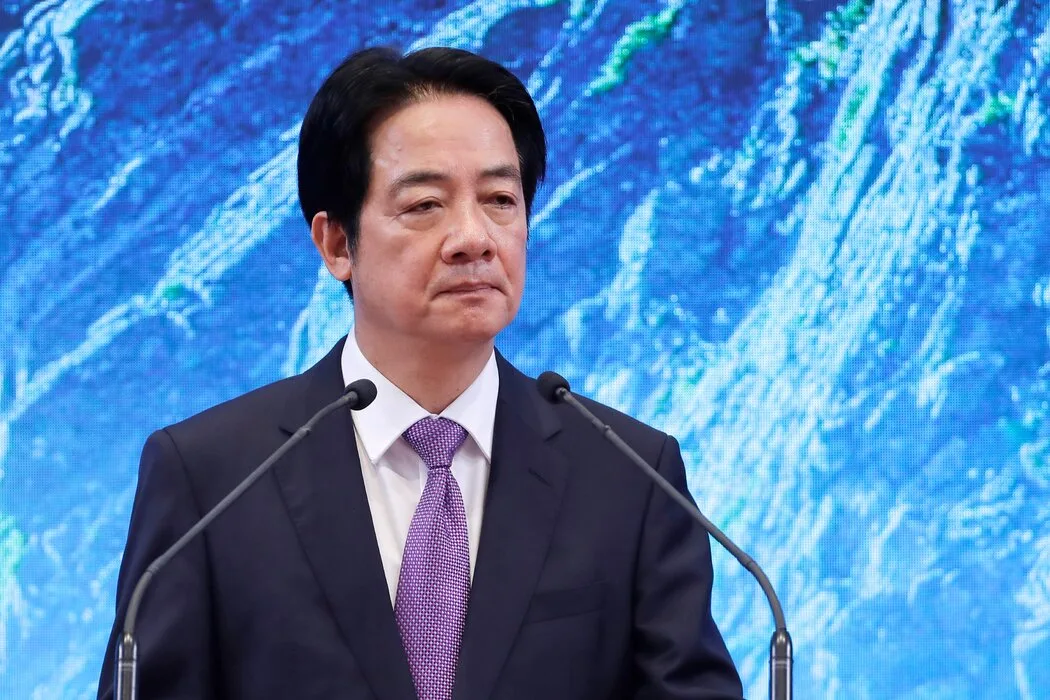
Taiwan’s government condemned China’s action. Taiwan Presidential Spokesperson Guo Yahui criticized China for interfering with press freedom and called China “a troublemaker in the region and international community” [1, 8]. Chen’s condemnation came publicly on May 31, 2026 [1, 8].
Vivian Wang briefly returned to Beijing in late May 2026 on a short-term non-journalist visa to collect personal belongings before departing [2, 3, 9, 6].
In recent years, China has reduced the issuance of long-term journalist visas to US media, favoring short-term permits that can be revoked if coverage displeases authorities [2, 6, 10]. This incident marks the latest escalation in deteriorating media relations between China and US news organizations.
The Chinese Foreign Ministry’s official statement on June 1 underlined Beijing’s position that Wang’s expulsion aligned with their enforcement of the One-China principle and journalist regulations [4, 5].