China's rainy season started April 1 with nationwide precipitation 12% above average, marking the second wettest season in a decade and totaling about 157.4 mm on average [1, 2, 3]. Heavy rains began unusually early in late May, breaking at least two single-day June rainfall records in Guangdong province over the past week [1, 2, 3].
Meteorologists attribute the intense and sustained rainfall partly to a typical monsoon pattern where warm, humid air meets retreating cold fronts, causing continuous rains across southern China [1, 2, 3]. An El Nino climate pattern emerged in spring 2026 in the equatorial Pacific, likely amplifying rainfall amounts from April through June in southern China. Chen Lijuan, chief forecaster at the National Climate Center, noted, "During the strong El Nino of 2016, for example, southern China saw especially intense downpours in May," indicating a similar scenario this year [1].
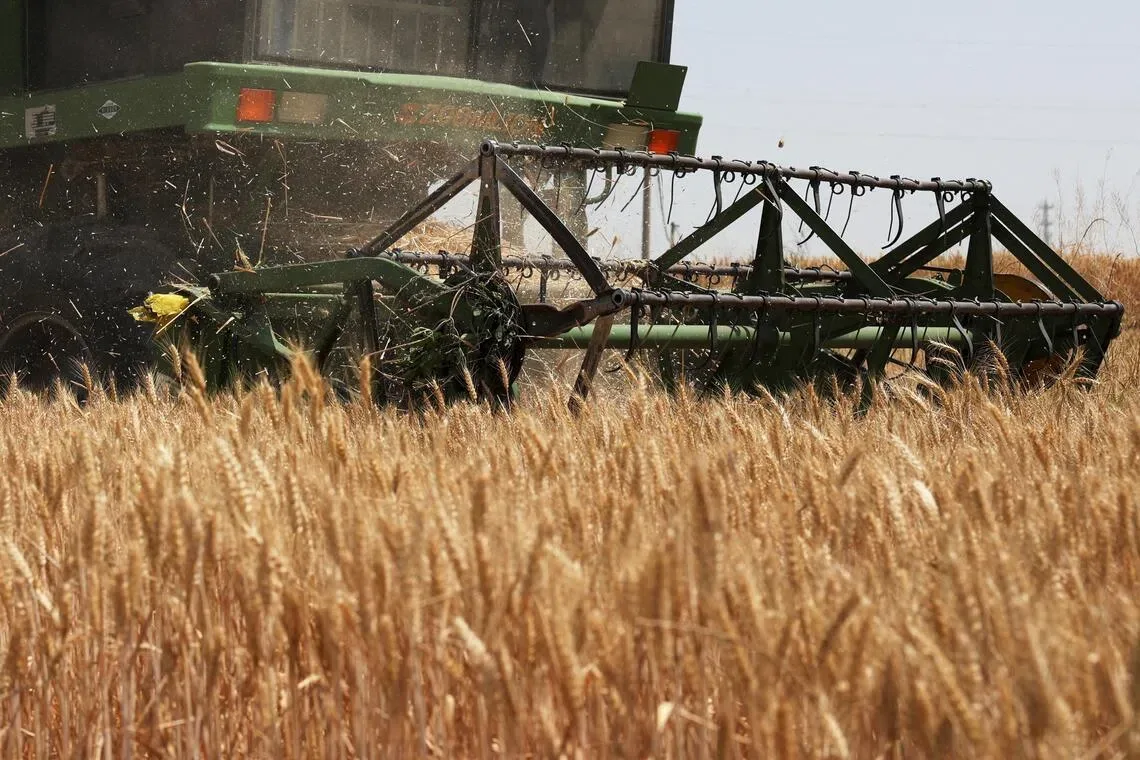
Southern China is a key barley and rice producing region, while the main corn belt lies further north and faces expected heavy rains later this summer [1, 2, 3]. Sustained rains have raised concerns over grain output and crop health amid ongoing food security worries and increased imports. Corn imports recently rose following crop damage from 2025's rains, reversing prior declines linked to slower economic growth and ample harvests [1, 2, 3].
Higher water levels have boosted hydroelectric power generation, which was about 9% above the five-year May average, contributing to a 4.2% year-on-year rise in electricity output last month [1, 2, 3]. The southern regions experienced peak electricity demand one month earlier than usual due to unseasonal heat [1, 2, 3]. Hydropower gains help offset coal supply pressures after the May 2026 Shanxi mine disaster hampered coal production [1, 2, 3].
Authorities continue monitoring reservoir levels and crop conditions as the rainy season progresses. Heavy rains are expected to shift northward to the main corn belt this summer, keeping agricultural risks under watch.