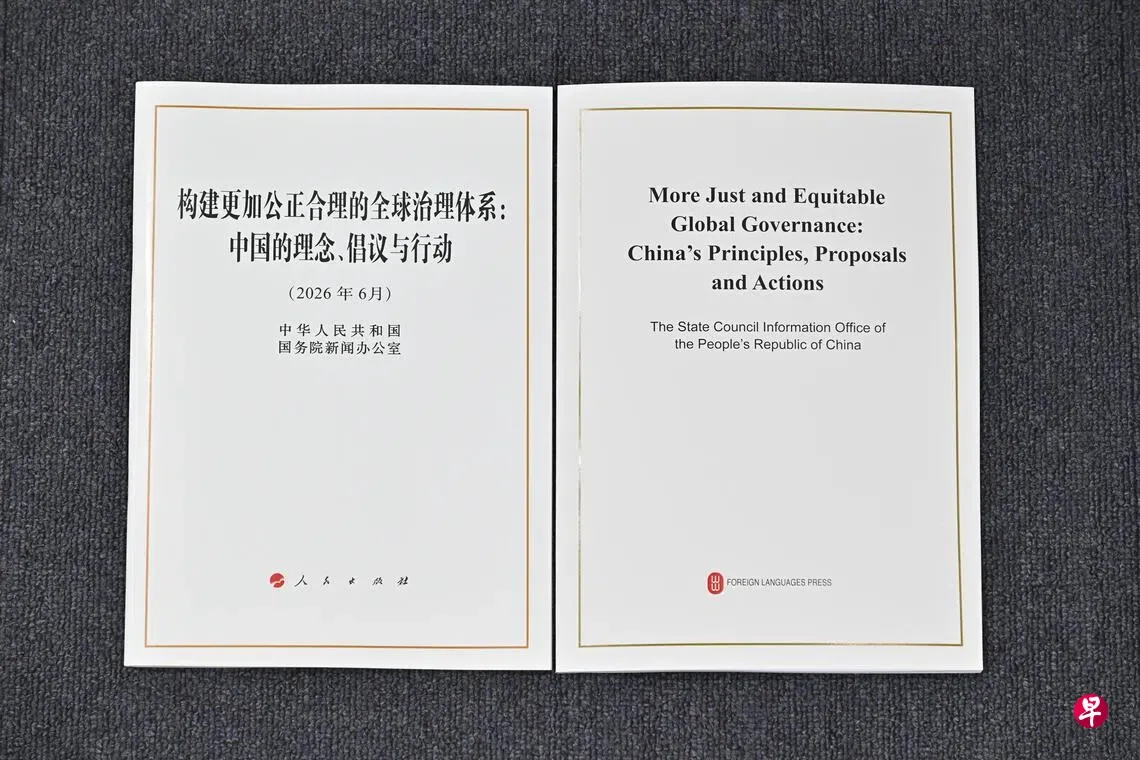
China's State Council Information Office released a white paper on June 17, 2026, titled "Building a More Just and Reasonable Global Governance System: China's Vision, Initiatives and Actions," outlining its approach to global governance reform [1, 2, 3, 4, 5].
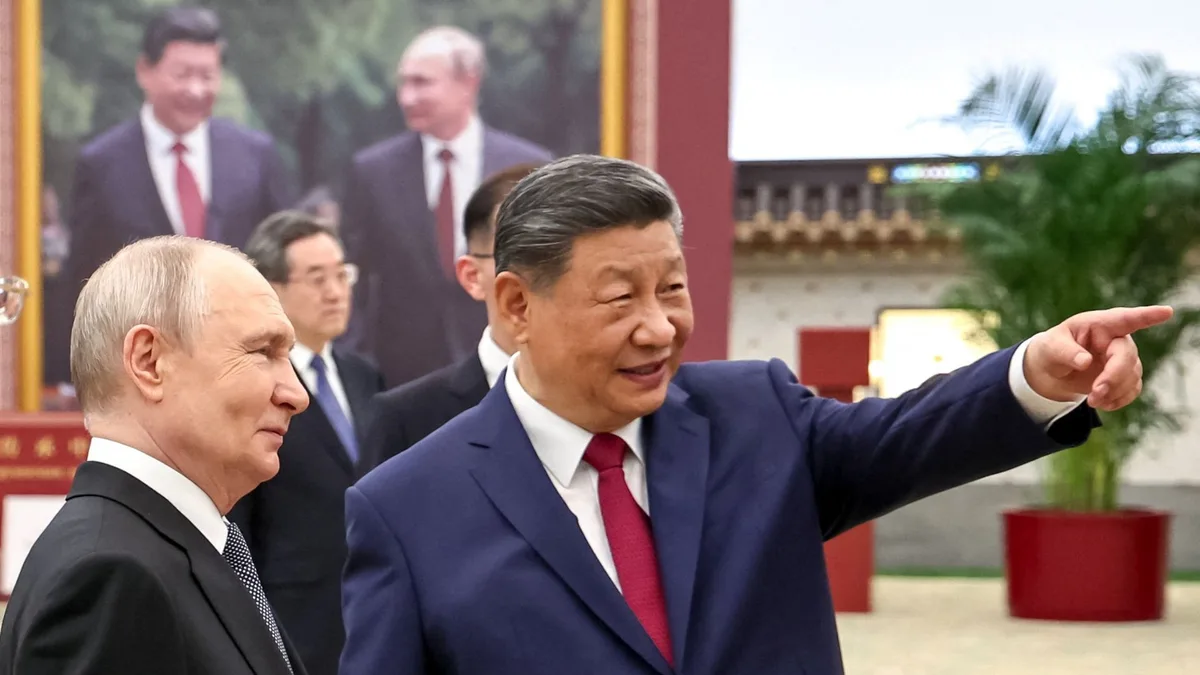
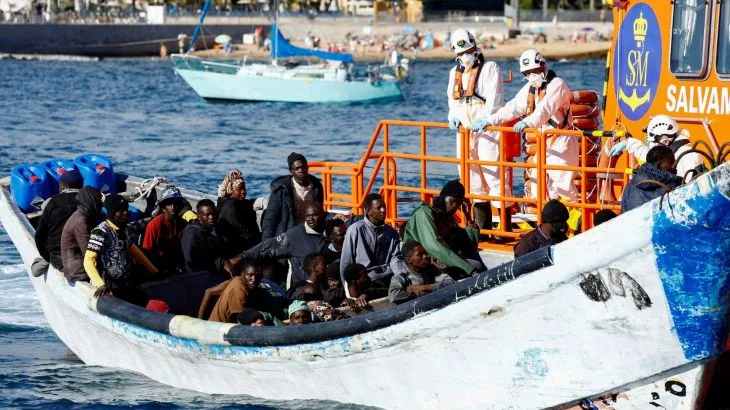
The document calls for firm opposition to unilateralism, hegemonism, "one country dominance," and group politics while emphasizing the importance of multilateral cooperation [1]. It urges increased representation of emerging markets and the Global South in United Nations and international institutions, pointing to their current underrepresentation [1, 2, 3, 6, 4, 5].
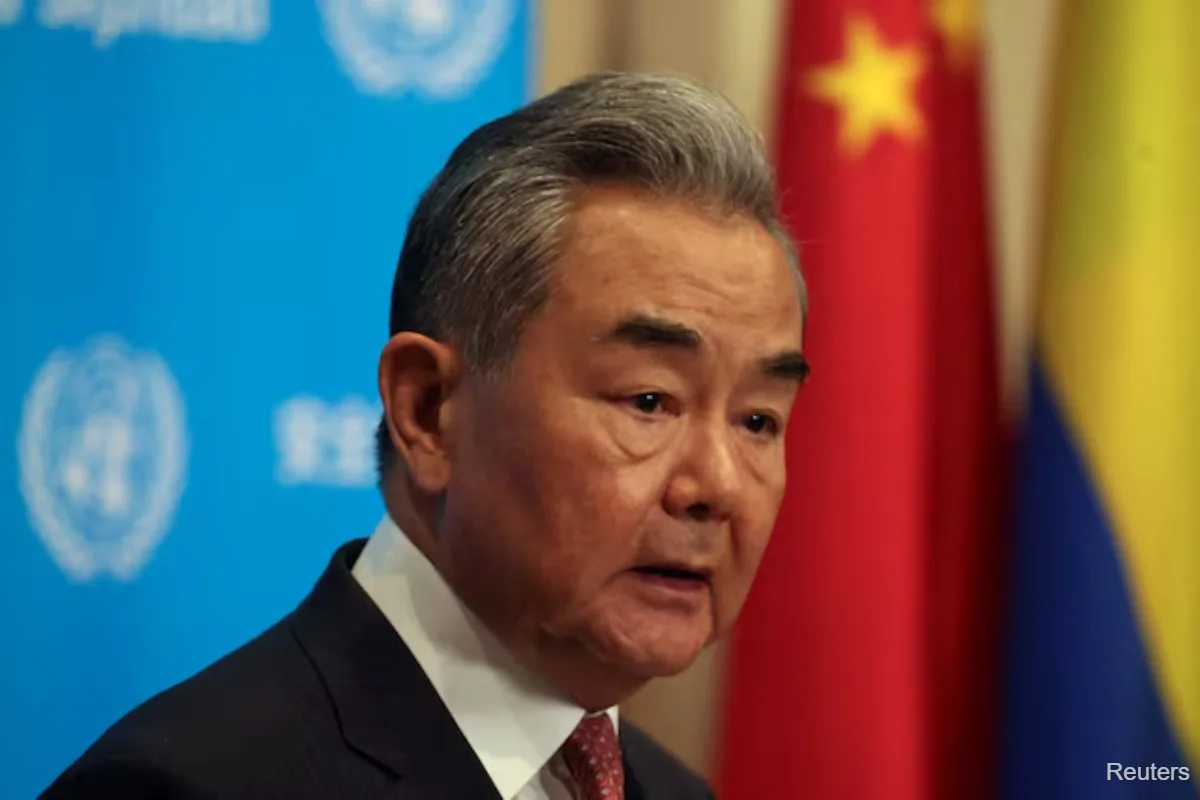
Chinese Foreign Minister Wang Yi held a rare press briefing in Beijing to present the white paper. He said, "Countries, whether large or small, strong or weak, developed or developing, are equal members of the international community," advocating equal participation, decision-making, and benefits in global governance [2, 3, 5].
Wang described the global situation as "dangerously unstable" with intertwined crises and risks he labeled "black swan" and "grey rhino" events. He warned, "The ship of civilisation has entered dangerous waters with hidden reefs and violent storms" [2, 3, 5]. Wang urged all parties to commit firmly to a Middle East ceasefire and to work toward a sustainable regional security framework [2, 3, 5].
The white paper calls for upholding and strengthening the authority and central coordinating role of the United Nations to address global challenges [1, 2, 5]. It highlights sovereign equality as a key principle and warns against hegemonic behavior by powerful states [1]. The paper also urges combining North-South with South-South cooperation and asks developed countries to meet development aid and climate finance commitments [1].
Externally, analysts view the white paper as a strategic challenge to Western-led governance frameworks and G7 policies [4, 7]. Former New Zealand ambassador Geoffrey Jie Wenji said the document signals China’s intent to offer alternative models and counter the G7’s "anti-China narrative" [7].
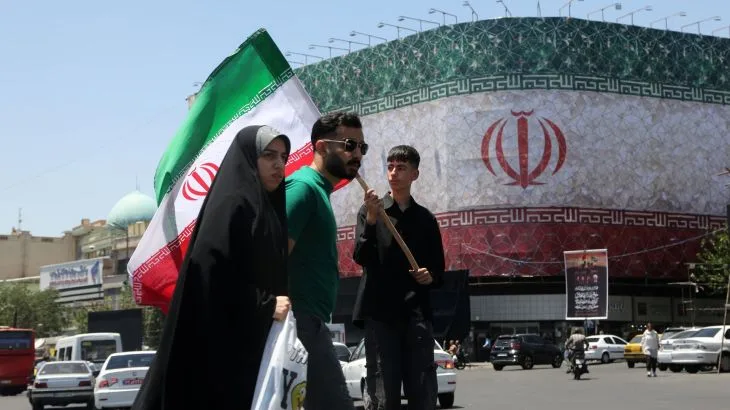
Meanwhile, US President Donald Trump recently claimed a ceasefire agreement with Iran ahead of the G7 summit, positioning it as a diplomatic success [4, 7].
China’s next step includes continued promotion of its global governance vision and calls for reform at the United Nations as international tensions unfold [2, 3, 5].