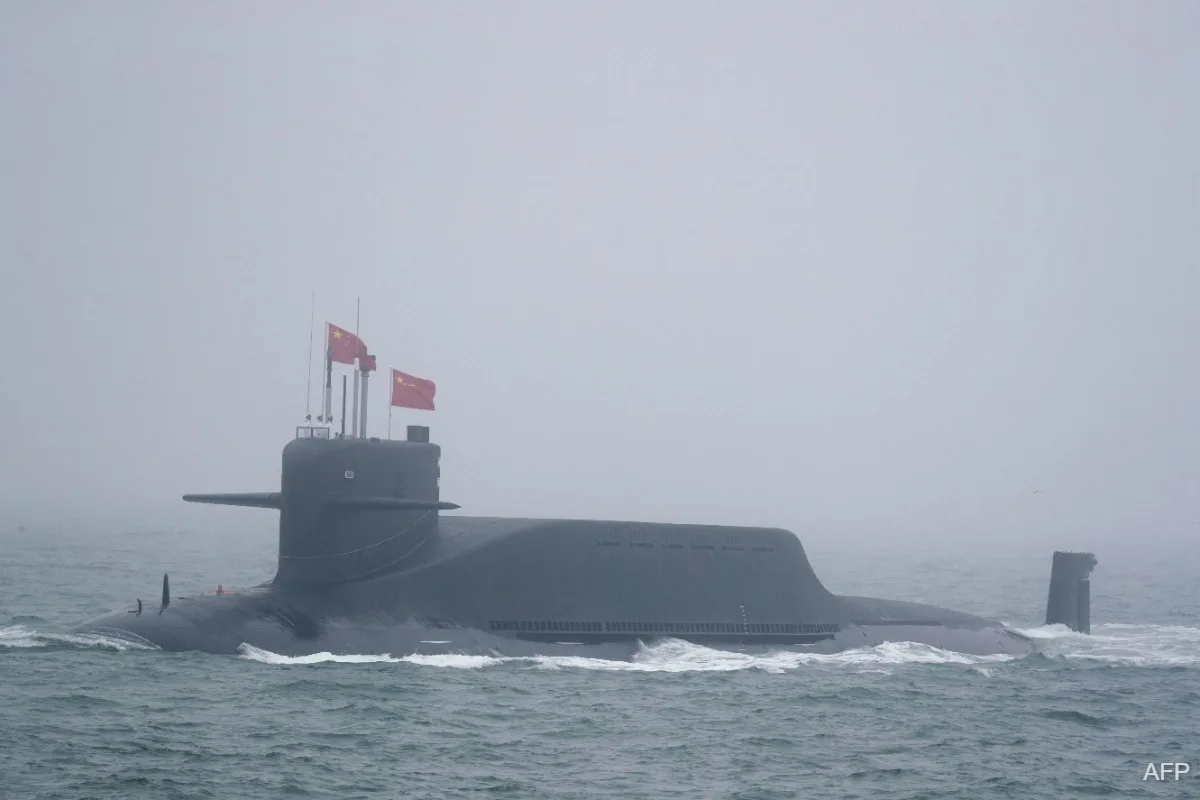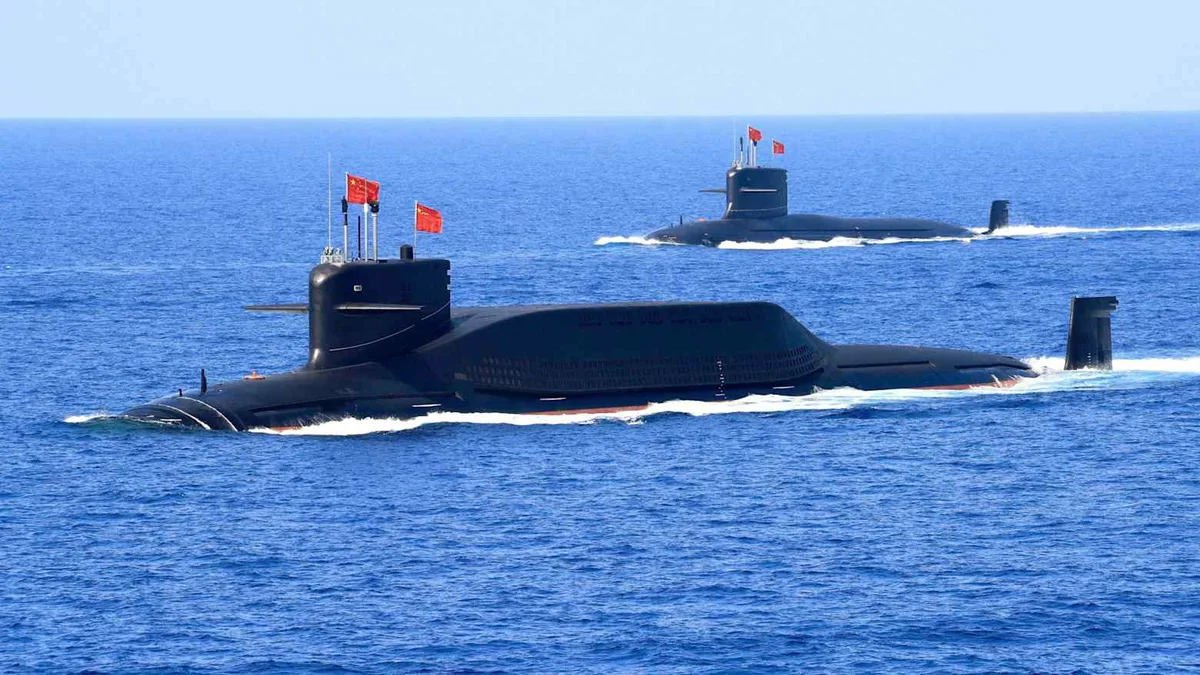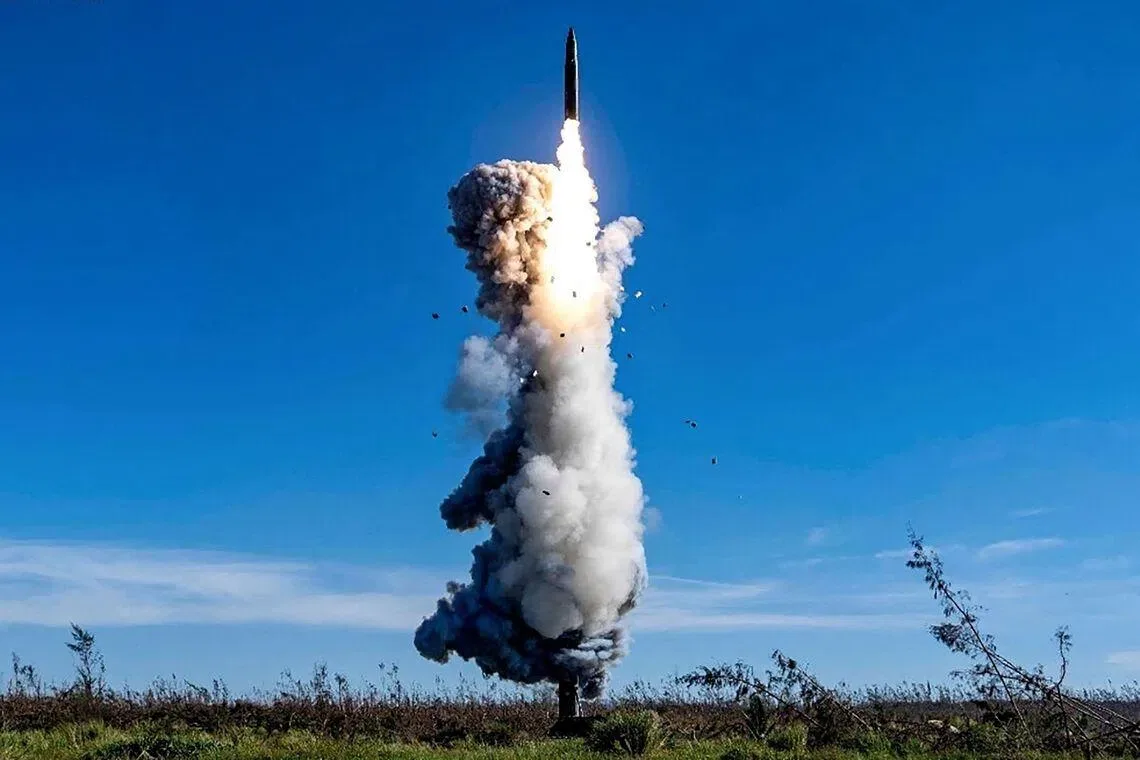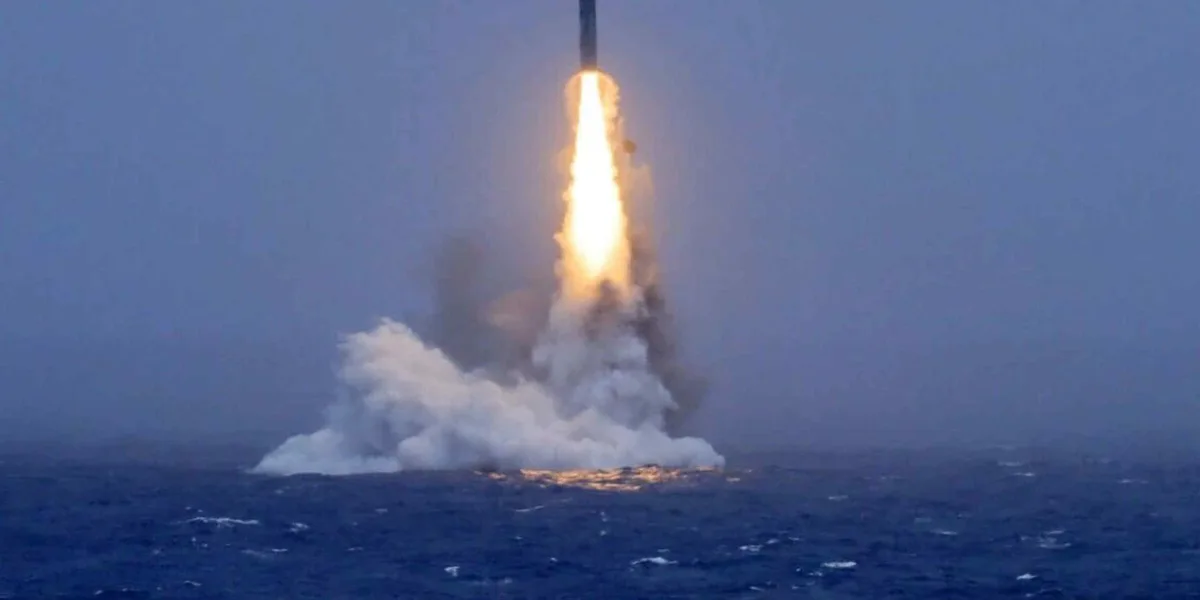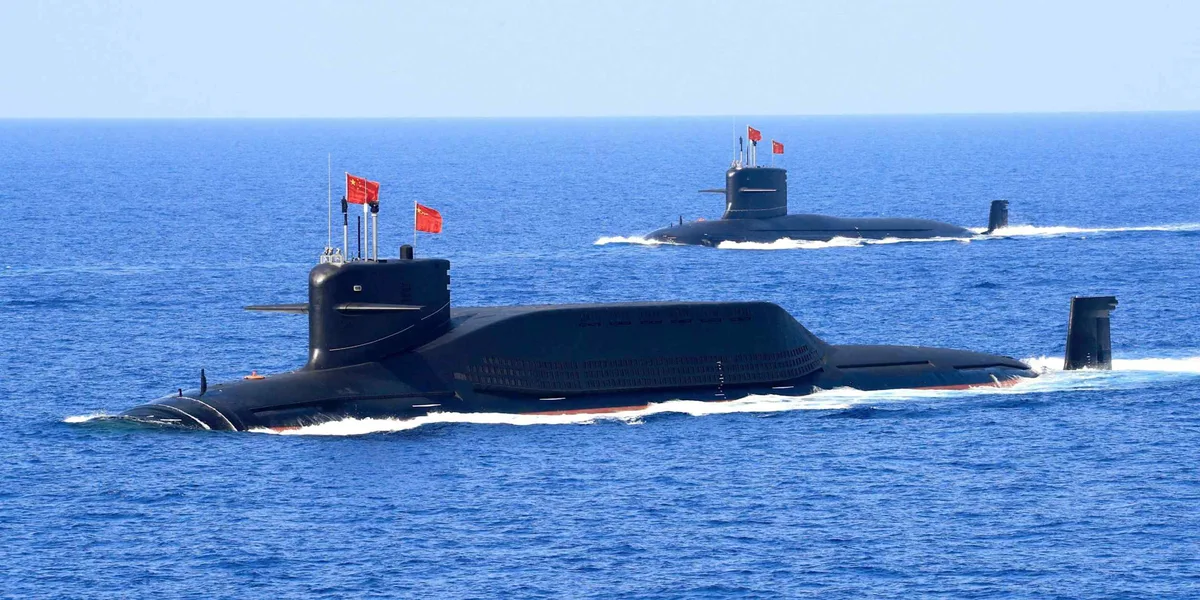
On July 6, 2026, China fired a nuclear-capable ballistic missile equipped with a dummy warhead from a Type 094A Jin-class nuclear-powered submarine into the Pacific Ocean at 12:01 p.m. China Standard Time (04:01 GMT) [1, 2, 3, 4, 5, 6]. The missile landed in designated international waters in the South Pacific, reportedly flying over or near the exclusive economic zones of several Pacific island nations including the Solomon Islands, Micronesia, Nauru, and Kiribati [4, 7].
China called the launch a “routine arrangement” in its annual military training. A spokesperson for the Chinese Ministry of Foreign Affairs, Mao Ning, said the operations were conducted safely and professionally and urged other countries not to overinterpret the test [2, 3, 4, 5, 6]. China notified regional governments including Australia, Japan, New Zealand, and some Pacific island states prior to the test, but reports differ on the adequacy and timing of the warnings. Australia and New Zealand indicated that the notice came hours or less before the launch, shorter than the usual 48-hour standard [2, 3, 4, 8, 5].
The missile is believed to be from the Julang (JL)-3 series, a submarine-launched intercontinental ballistic missile under development with an estimated maximum range of about 12,000 kilometers and capable of carrying multiple nuclear warheads [9, 10, 6]. China operates six Type 094 Jin-class submarines, strengthening the sea-based leg of its nuclear triad amid broader military modernization efforts [11, 9, 6].
Australia, the United States, Japan, and New Zealand condemned the test as destabilizing. Australian Foreign Minister Penny Wong said, "Australia has been clear that this proposed test is in the context of a rapid military build-up by China, which is lacking in the transparency and reassurance as to intent that the region expects" [2]. New Zealand Foreign Minister Winston Peters called the test “an unwelcome and concerning development,” expressing unease about the South Pacific being used as a missile testing ground [2, 3, 9, 5]. Australian Prime Minister Anthony Albanese described the launch as a "provocative act by China, which does destabilise the region" [8]. A U.S. State Department spokesman added that Beijing's rapid and opaque nuclear weapons build-up is of grave concern globally [4].
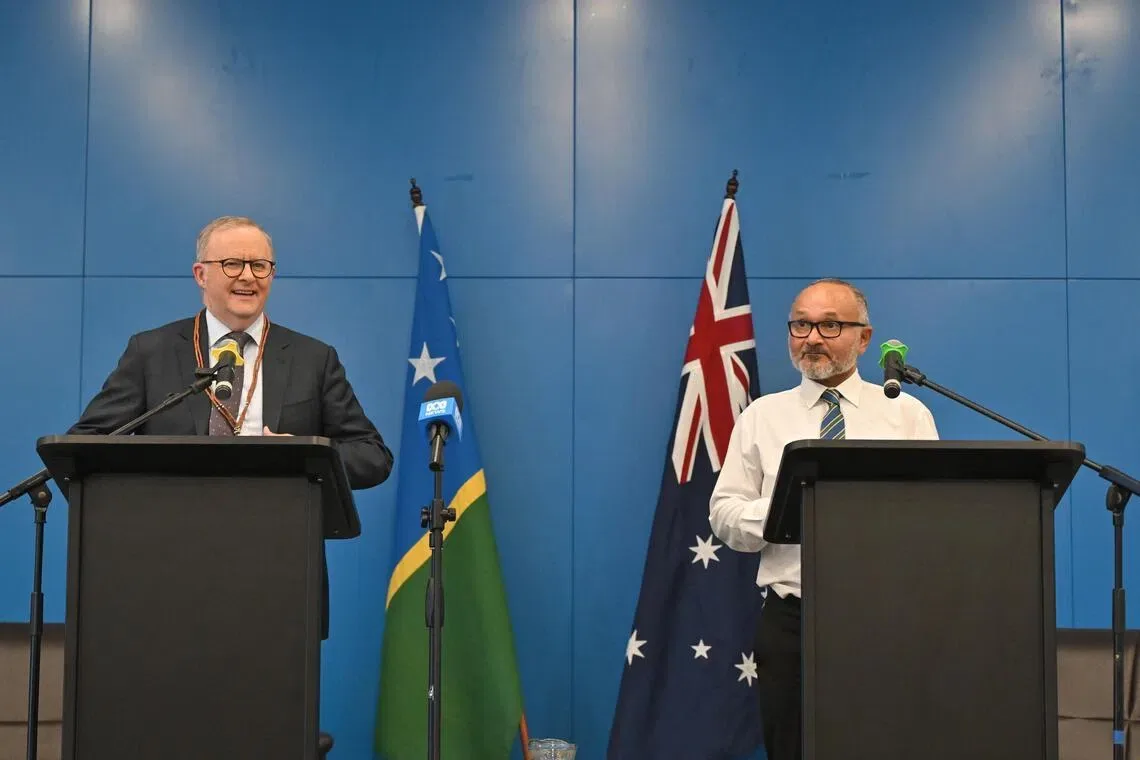
In response to growing regional tension, Australia and Fiji signed a defense alliance pledging mutual support on July 6 [2]. The next day, Australian Prime Minister Albanese met Solomon Islands Prime Minister Matthew Wale to strengthen bilateral security cooperation [8, 12]. Australia and the Solomon Islands also pledged to deepen their security ties amid concerns over China’s expanding influence in the South Pacific [8, 12].
The test marks a key moment in China's expanding nuclear capabilities and regional military activity. Further developments in regional security cooperation and China's missile program are expected in coming months.