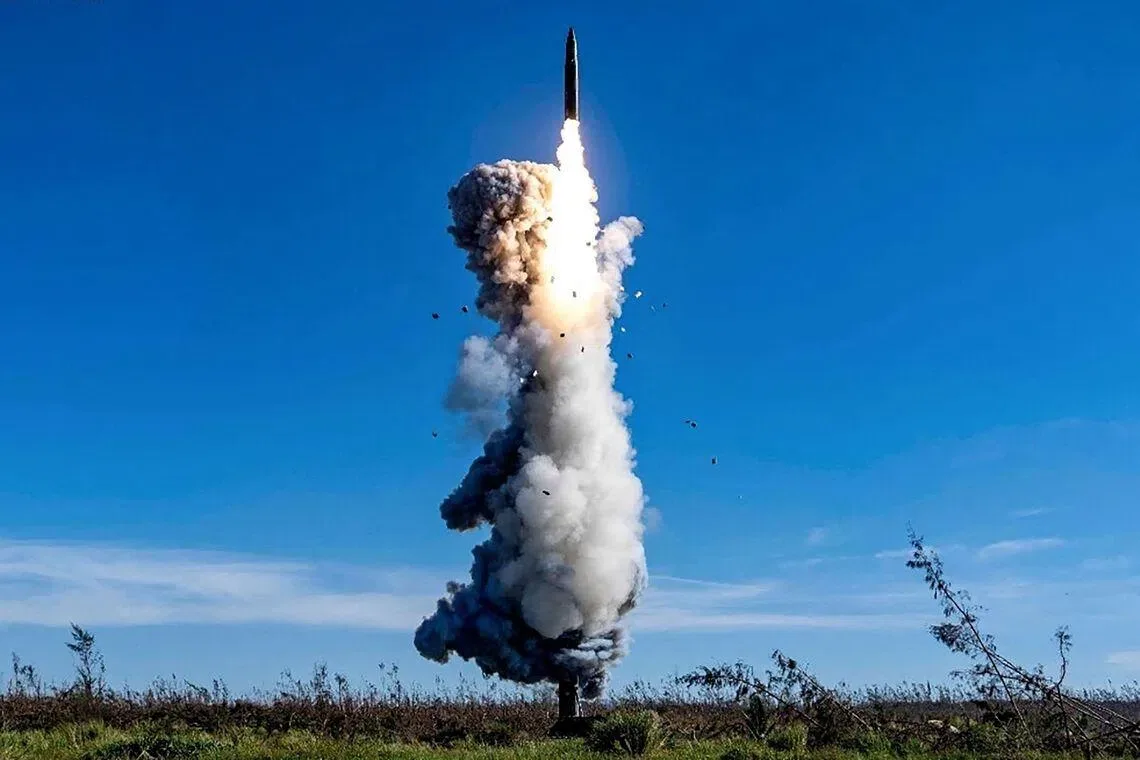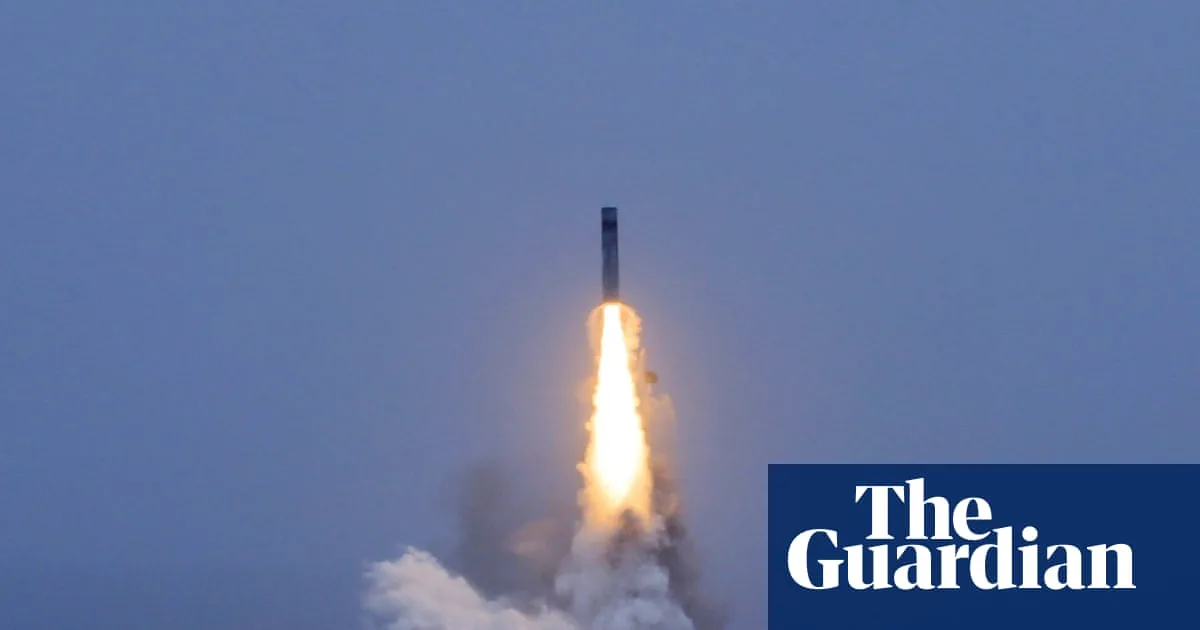
China test-launched a long-range ballistic missile from a nuclear-powered submarine in the South Pacific at 12:01 p.m. local time on July 6, 2026, carrying a dummy warhead that landed within the South Pacific Nuclear Free Zone [1, 2, 3]. The missile launch marked China’s first test in the Pacific since 2024.
China described the launch as a "routine part of China’s annual military training," stating it complied with international law and that relevant countries were notified in advance. A spokesperson said the test was "not directed against any specific country or target," and the activity was conducted "safely, systematically, and professionally" [4].
Australia and New Zealand, however, said they received notification only hours before the launch, calling the notice insufficient. Australia condemned the test as "destabilising" to the Pacific region and expressed deep concern over its implications for peace and security [1, 2, 5, 3]. Australian Cabinet Minister Pat Conroy said it was inconsistent with the Hague Convention on ballistic missile testing, which requires more advance notice and detailed information. He said, "No it’s not, to be honest. This has been a destabilising event and certainly has drawn criticism from countries in the Pacific and Asia" [4].
Australia’s Acting Prime Minister Richard Marles confirmed the country was informed by China on the morning of July 6 about the plans [1]. Australian Foreign Minister Penny Wong said, "We have consistently made those representations and will continue to do so … because we do want the Pacific to be an ocean of peace. In an era where we see contest and competition, the destabilising acts can lead to miscalculation" [5]. She also noted China's rapid military buildup lacks the transparency the region expects [2].
Japan received advance notice on July 5 about potential falling debris within its exclusive economic zone but confirmed the missile landed outside its waters. Japan expressed grave concern over the test [2]. The U.S. also said China did not fully comply with international law and called for regularized notification arrangements for missile and space launches [4].
The missile test coincided with Australia and Fiji signing a mutual defense pact aimed at countering Chinese influence in the Pacific. Australian Prime Minister Anthony Albanese plans to host Pacific leaders in Brisbane to discuss regional cooperation following the test [1, 2, 6, 3].
Chinese satellite-tracking vessels were positioned in the Pacific to collect data on the test, indicating advance planning [2]. China is a ratified signatory to the 1987 Treaty of Rarotonga protocol pledging to avoid nuclear weapons testing or threats in the region [3].