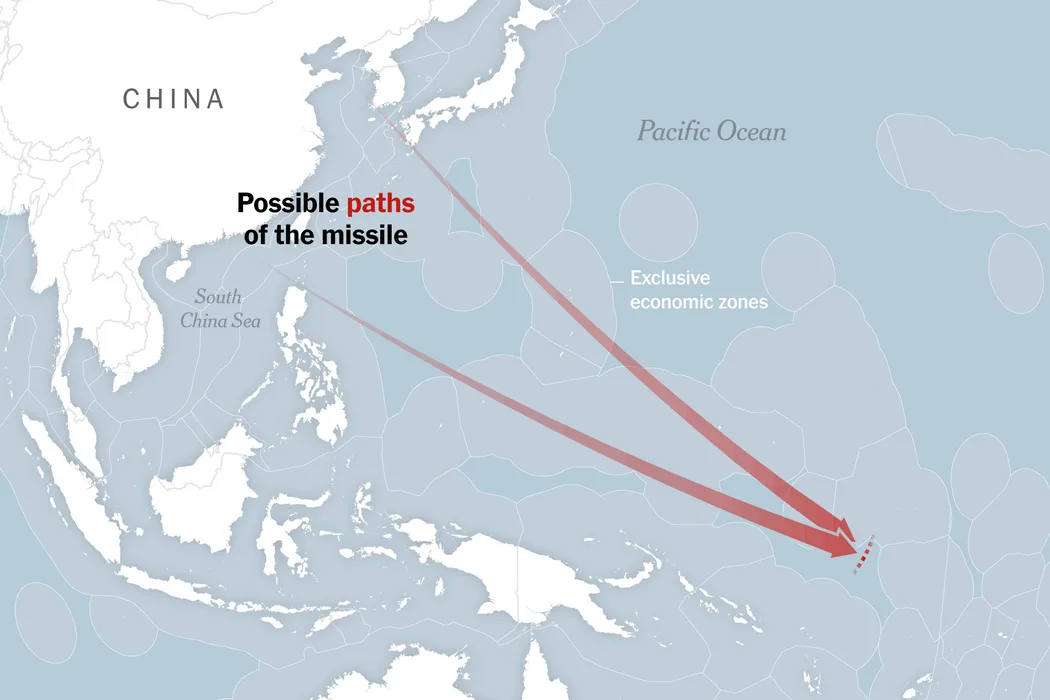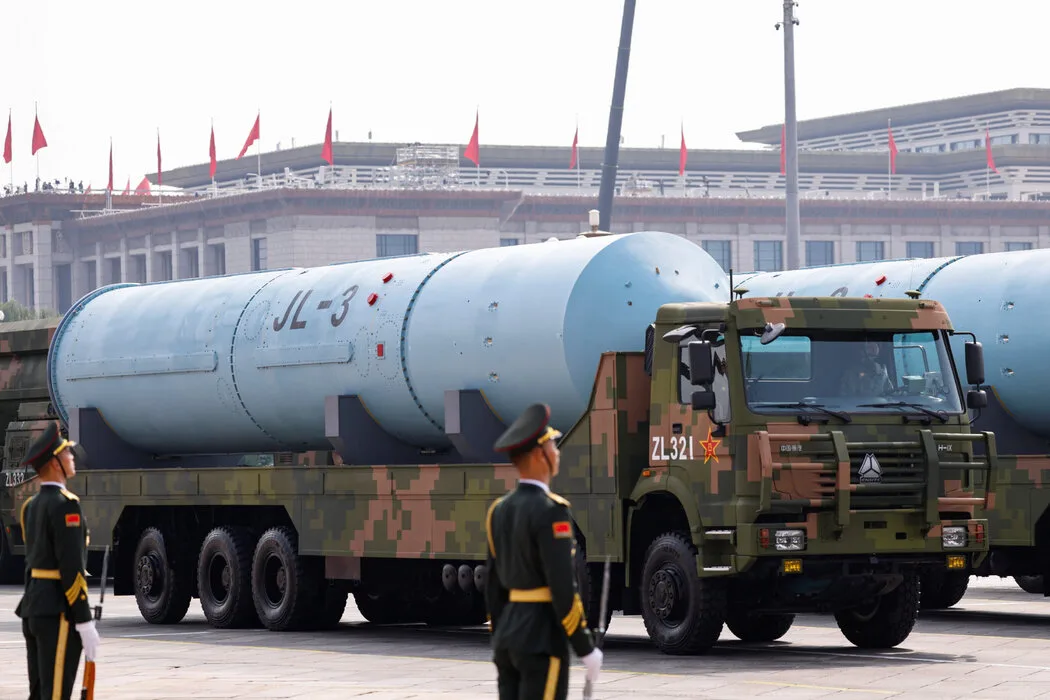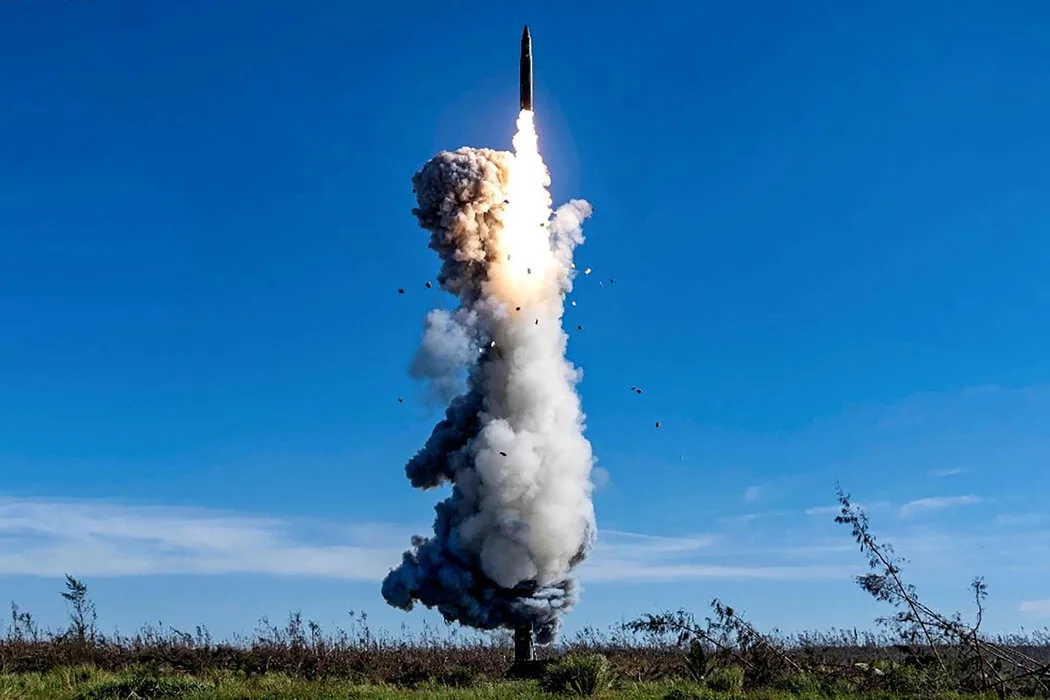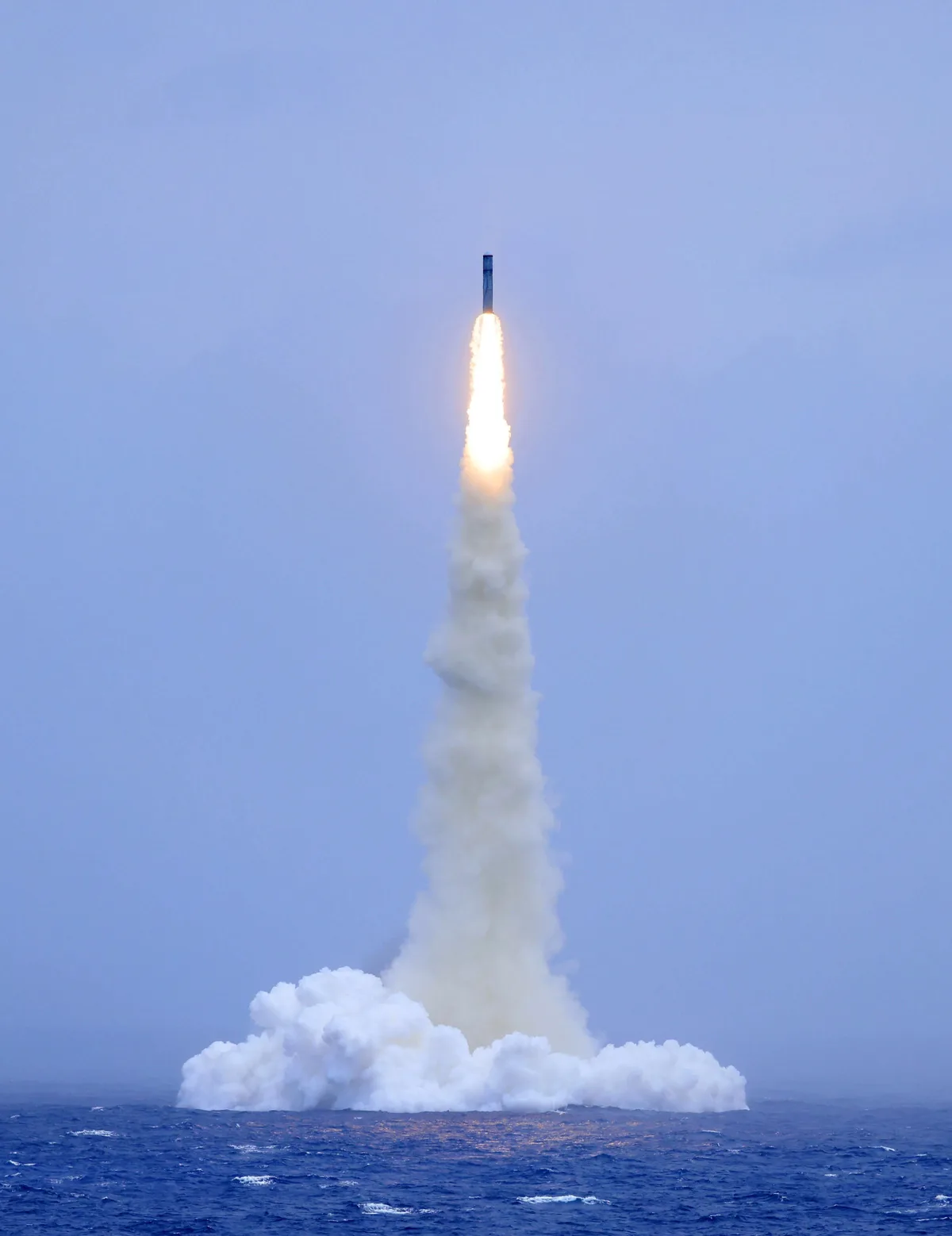
China conducted a test launch of a submarine-launched ballistic missile (SLBM) carrying a training simulated warhead on July 6, 2026, at 12:01 Beijing time from a nuclear-powered strategic submarine in the Pacific Ocean [1, 2, 3]. The missile accurately landed in a designated maritime area near the Solomon Islands, possibly between the Solomon Islands, Nauru, and Tuvalu, over 1,000 km northeast of the Solomon Islands’ main island [1, 3, 4, 5]. Analysts largely identify the missile as the JL-3 (Julang-3), China’s most advanced sea-based nuclear missile with an estimated range of 12,000 km and multiple warhead capability [2, 6, 7]. The missile reportedly flew eastward over 4,300 miles (about 7,000 km) [7].
Chinese officials described the launch as an annual routine military training exercise conducted under international law and not directed at any country or target [1, 3, 8]. Chinese Foreign Ministry spokesperson Mao Ning said, "This is routine military training which is not directed at any specific country or target. It complies with international law and practices. We hope relevant countries do not overinterpret it" [3]. Chinese officials emphasized their nuclear forces remain at minimal levels needed for national security, aiming to ensure strategic stability and defensive deterrence rather than fueling an arms race [8, 9].
This was China’s first publicly known SLBM test in the Pacific in nearly two years and its third intercontinental ballistic missile test over the Pacific, following a 2024 land-based ICBM test near French Polynesia and a test in 1980 [1, 2, 6, 7]. The SLBM passed close to or over territories of Pacific island nations including Micronesia, Nauru, and Kiribati before landing near the Solomon Islands [4, 5].
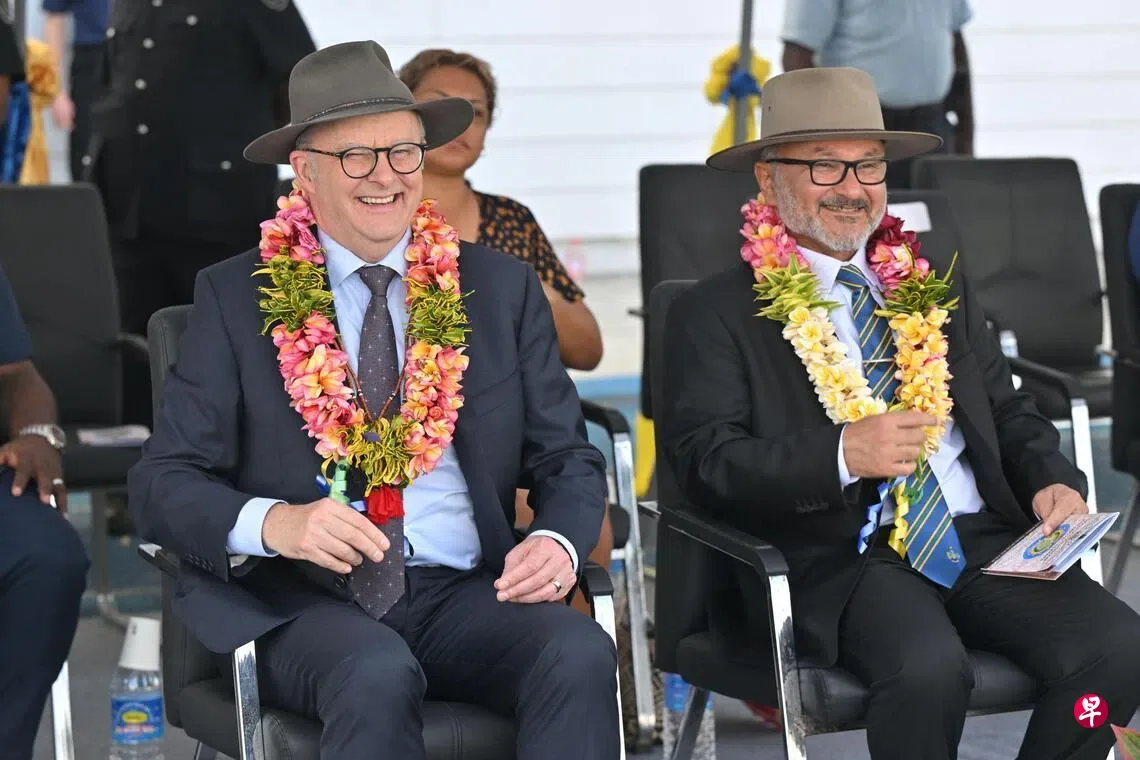
The launch occurred amid heightened military tensions in the region, coinciding with Australia signing a defense pact with Fiji to counter China’s influence in the South Pacific and committing over 1 billion AUD in investments across 10 years [2, 10, 4]. Australia’s Foreign Minister Penny Wong described the test as undermining regional stability amid rapid Chinese military expansion lacking transparency [1]. Australia’s Prime Minister Anthony Albanese called it "destabilizing and provocative" and said Australia had clearly expressed concerns to China [10]. New Zealand Foreign Minister Winston Peters said the test showed a "recurring pattern of behavior by China" and called it "unwelcome and troubling" [1].
Japan, Australia, New Zealand, the Solomon Islands, and Taiwan strongly criticized the missile test as destabilizing and provocative [1, 2, 11, 12, 10, 4, 5]. Japan received notification about 90 minutes before launch and urged China to reconsider; Australia and New Zealand criticized the timing and lack of transparent advance warning, though China insists notifications met international norms [1, 3, 12, 4, 9]. The US State Department monitored the test and urged China to engage in arms control talks and normalize launch notifications, with spokesperson Ned Price stating: "We urge China to participate in meaningful arms control dialogue and to normalize notifications for all intercontinental ballistic and space launches" [10, 8, 4, 9].
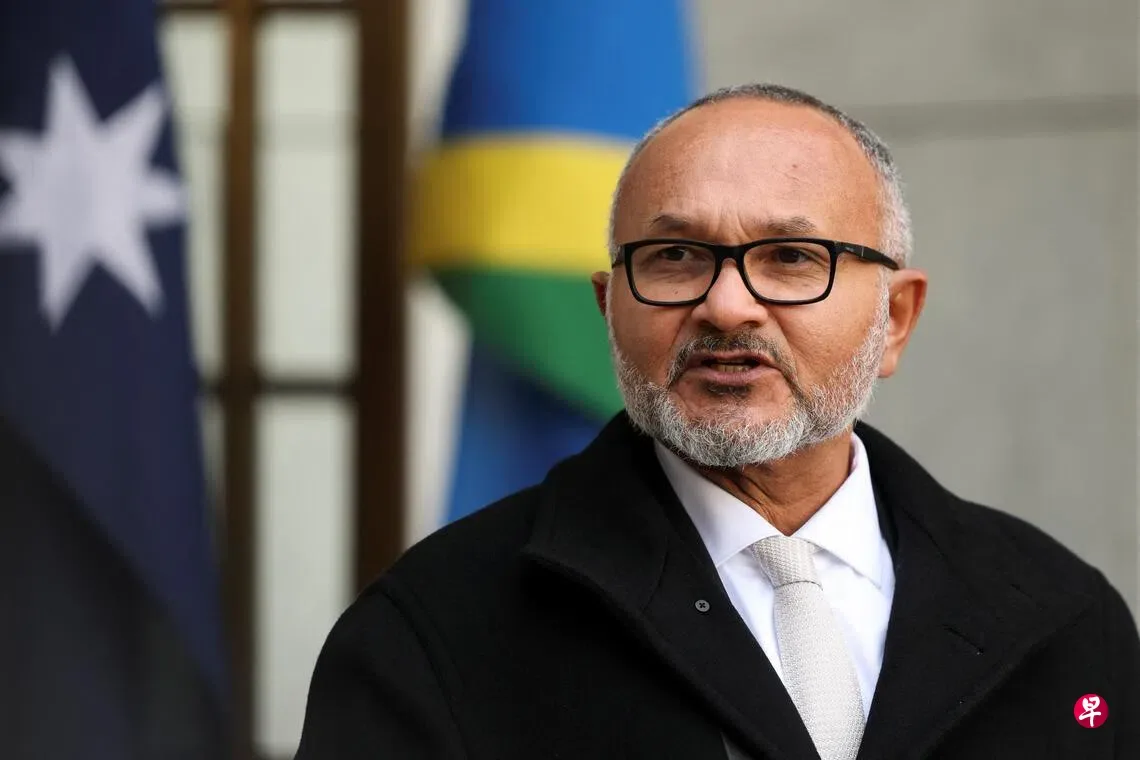
Solomon Islands Prime Minister Matthew Wale protested the missile test formally, saying "China is a friend to Solomon Islands, but friends do not do this. We do not want anyone launching intercontinental missiles in our Pacific region" [5]. George Town University professor Evan Medeiros said the launch signals China now has a fully operational nuclear triad and is testing the boundaries of US defense strategy [7].
On July 7, China’s Ministry of Defense reaffirmed the test as routine training aimed at strategic stability and peaceful policies, reiterating its nuclear modernization is defensive and measured [8, 9]. The region faces ongoing debate over notification timing and missile activities as Australia and Pacific nations call to preserve the Pacific as a zone of peace [10, 4, 9].