The foreign ministers of the Quad nations—the United States, India, Japan, and Australia—met on May 26 in New Delhi. They raised concerns about dangerous military maneuvers, ramming, and blocking actions in the South China Sea, urging opposition to destabilizing unilateral steps threatening regional stability [1, 2, 3]. The ministers also agreed to jointly build a port in Fiji and signed agreements on critical minerals and energy security during their meeting [1].
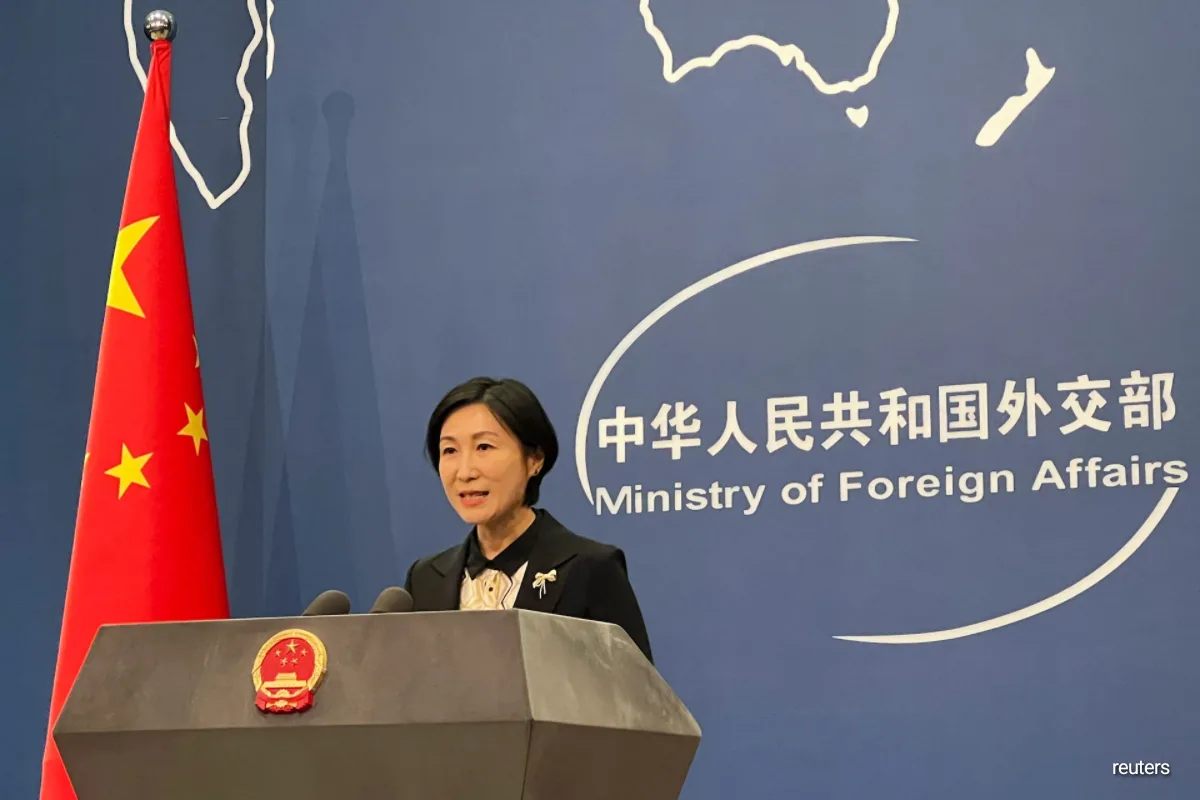
On May 27, China’s foreign ministry spokeswoman Mao Ning responded, reaffirming China’s position that cooperation should promote peace, stability, and prosperity without targeting any third party [1, 2, 3]. Mao said, “Forming cliques, creating tension and provoking conflict are unpopular,” warning against exclusive cliques or bloc confrontation [2]. She added that relevant countries should stop interfering in maritime issues around China and respect regional efforts to maintain peace and stability [3]. Mao asserted the situation in the East and South China Seas remains overall stable [1, 2, 3].
China claims large parts of the East and South China Seas, areas that have led to frequent disputes with the Philippines, Japan, and other countries over these strategic waterways [2, 3]. The Quad ministers’ statement opposed actions that threaten stability in both the East and South China Seas [2, 3].
The Quad meeting focused not only on maritime security but also on building partnerships in the Indo-Pacific, with the port project in Fiji aiming to strengthen regional infrastructure and supply chains [1].
China’s warnings followed closely after the Quad ministers highlighted threats in the South China Sea, setting the stage for ongoing tensions over maritime rights and military presence in the region [1, 2, 3].