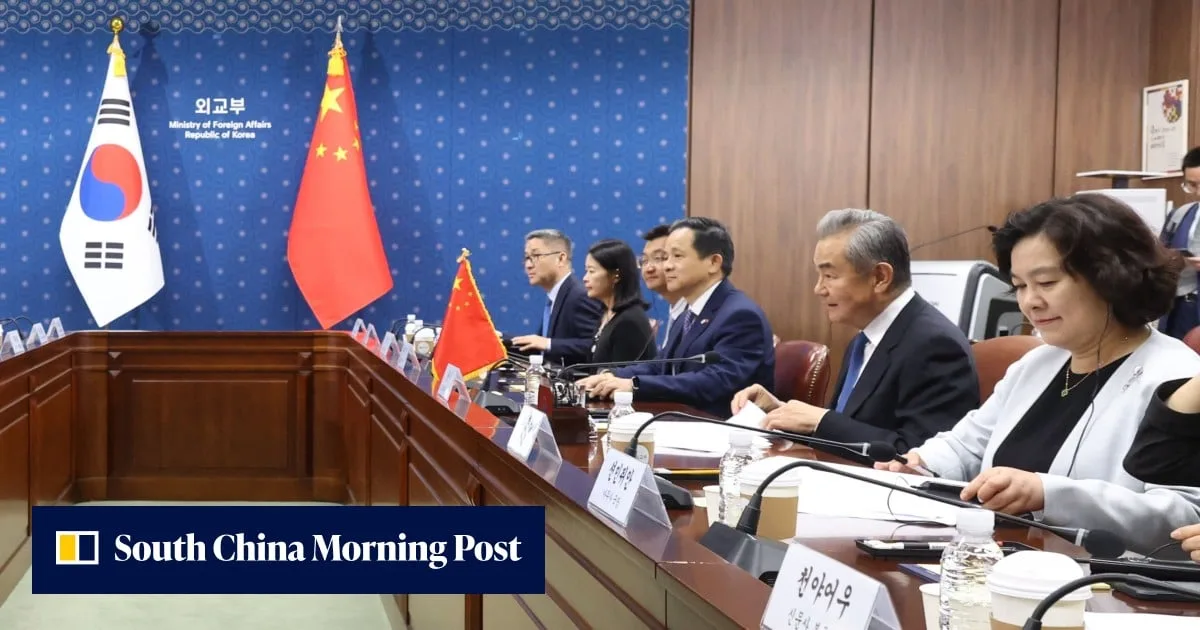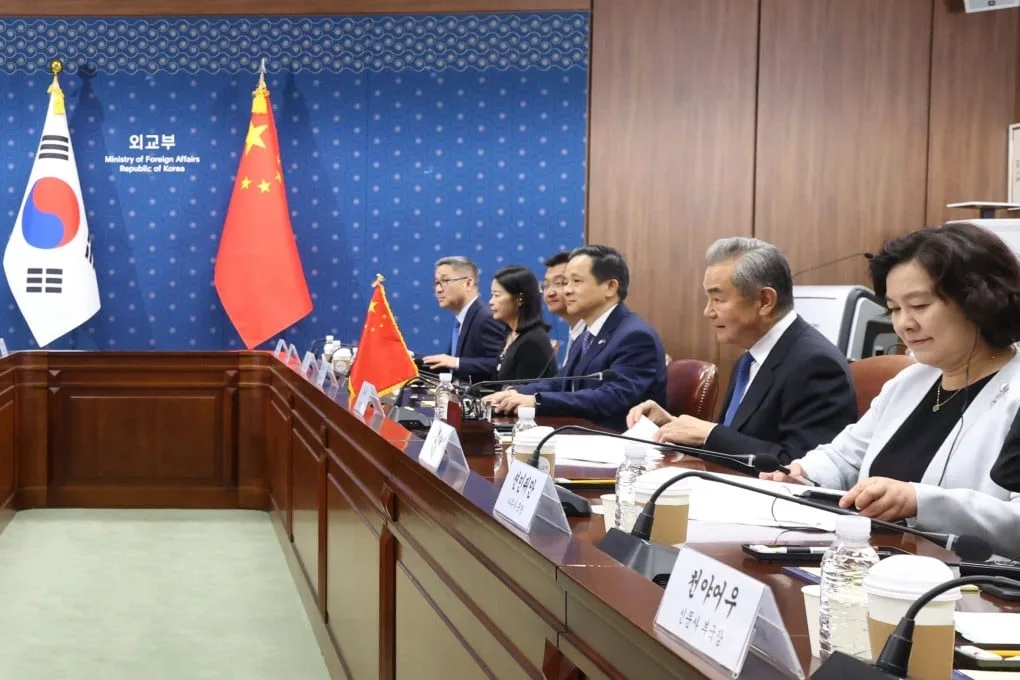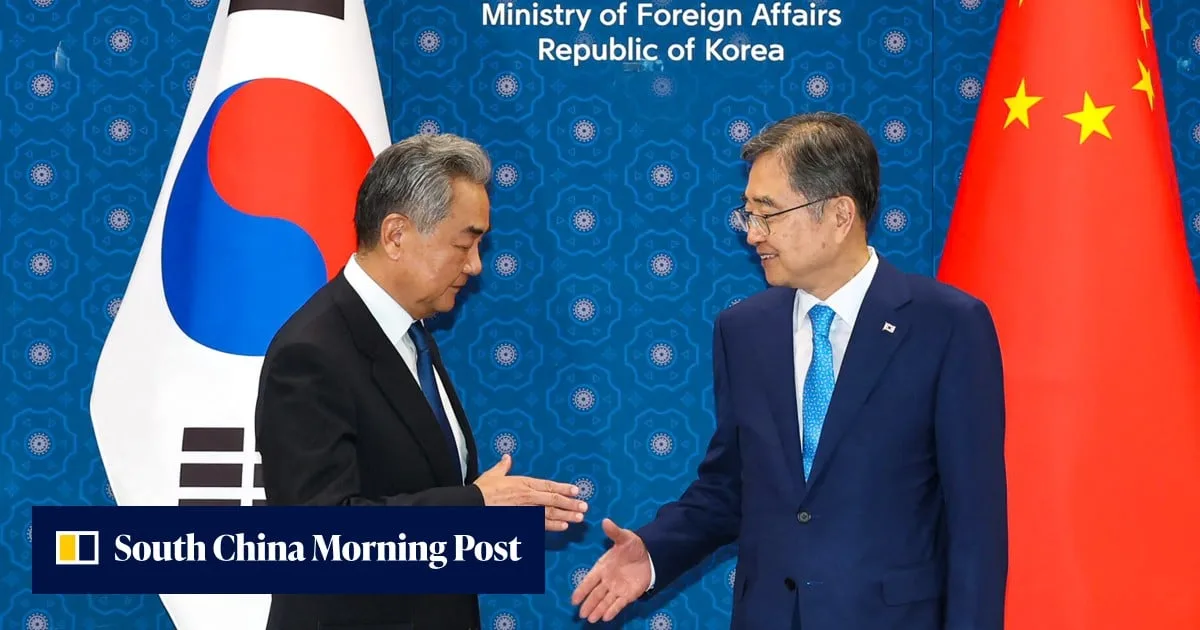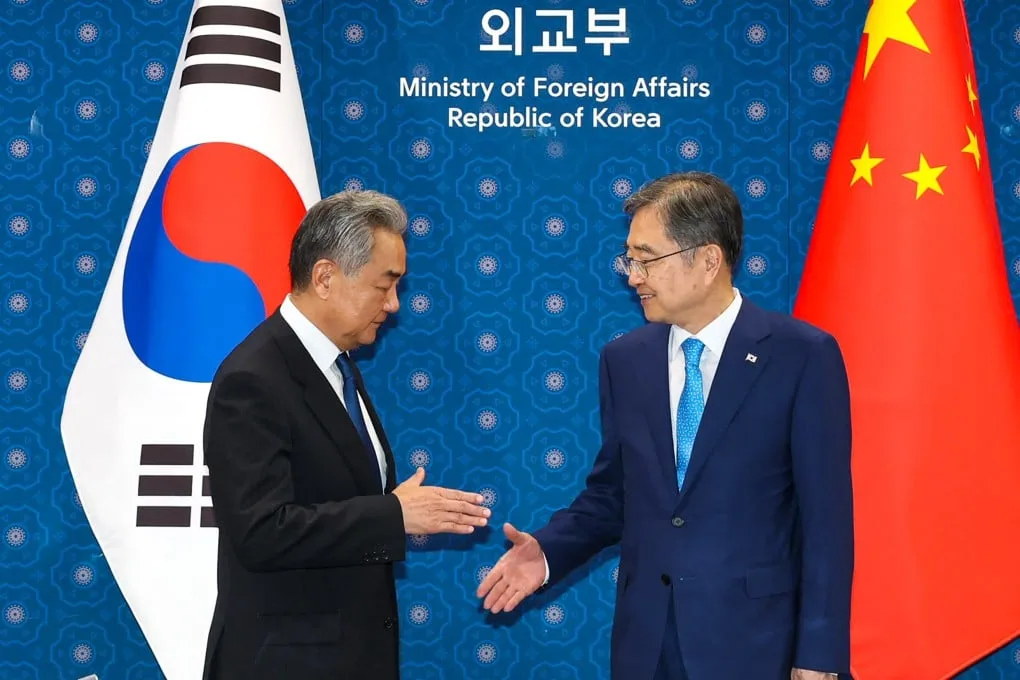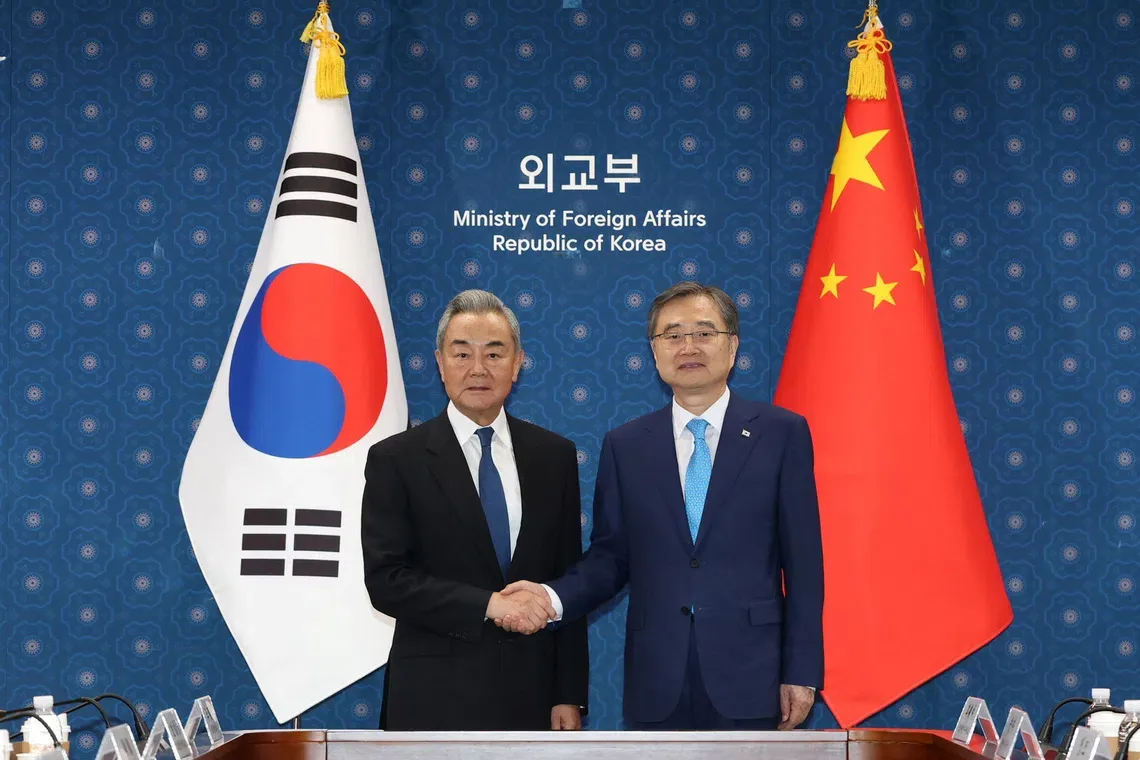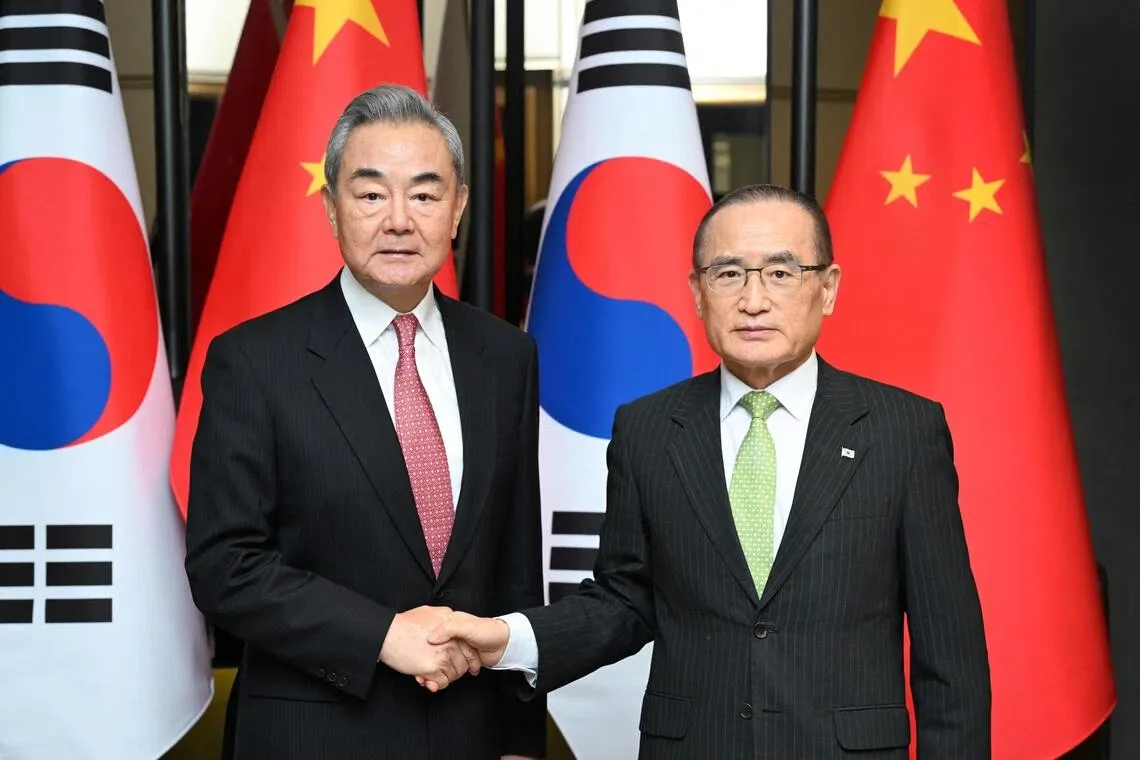
Chinese Foreign Minister Wang Yi made his first solo ministerial visit to Seoul in five years from August 18 to 20, 2026, during which he pressed the United States to change its longstanding hostile policy toward North Korea to ease tensions on the Korean Peninsula [1, 2, 3, 4]. Wang said, "That is a matter for North Korea and the United States to decide. In particular, the US should change the hostile policy towards North Korea that it has maintained for a long time" [1].
Wang urged South Korea to maintain autonomy in its foreign policy and avoid taking sides in the rivalry between China and the US. He said, "We hope that South Korea will proceed from its own fundamental interests and develop its external relations in an independent, autonomous, balanced and non-conflicting manner" [1, 2, 5]. During the visit, Wang met South Korea’s Foreign Minister Cho Hyun and National Security Adviser Wi Sung-lac to discuss issues on peace and security [2, 4, 5]. Wang also pledged that China would continue playing a constructive role in promoting peace and stability on the Korean Peninsula [1, 6].
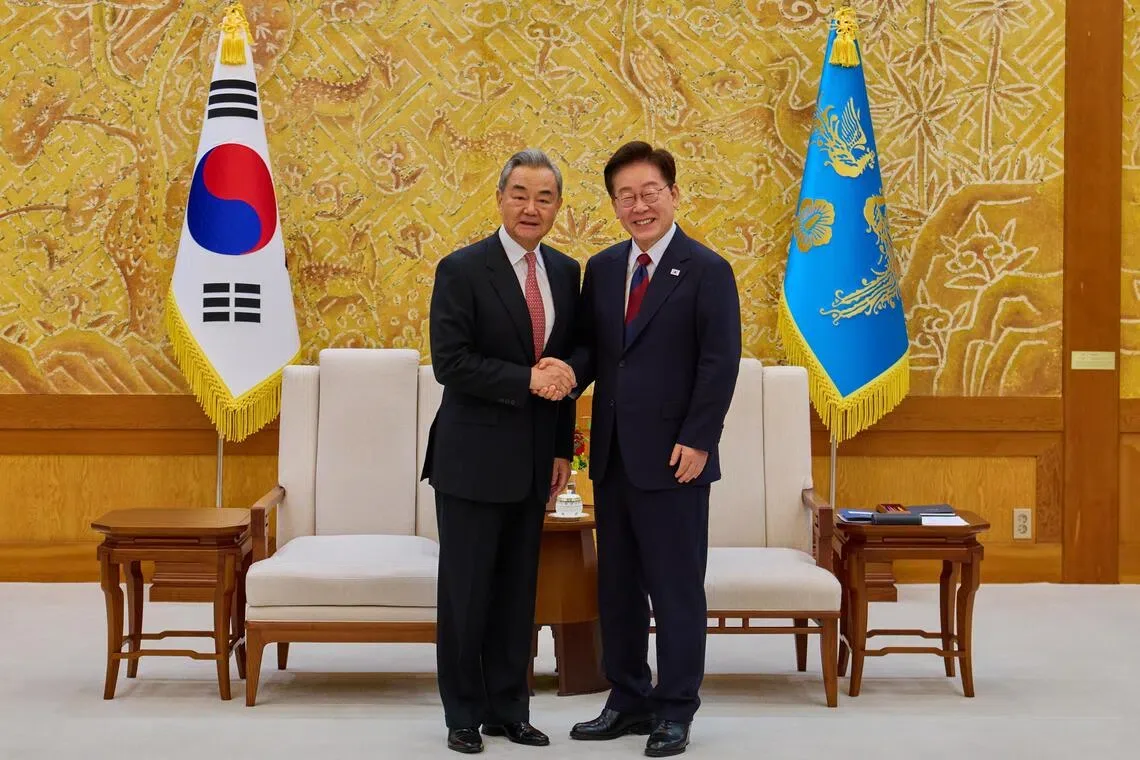
On August 20, Wang met South Korean President Lee Jae Myung to discuss peace initiatives and closer ties. Lee urged China to maintain close strategic communication with Seoul on bilateral and regional issues and proposed multilateral talks including South Korea, the US, North Korea, and China to formally end the Korean War and establish a peace regime [3, 7, 8, 9, 5]. Lee said he was "pleased that the two governments are strengthening horizontal and mutually beneficial cooperation in the economic sphere based on their political trust" [5].
Wang and Lee also discussed accelerating the second phase of China-South Korea free trade agreement negotiations and Wang emphasized promoting regional economic integration amid rising protectionism [2, 3]. South Korea views improving ties with China and pursuing a rational China policy as aligned with its interests and regional trends [2, 3, 5]. Lee plans to attend the APEC summit in Shenzhen, China, in November 2026 to enhance strategic cooperation [3, 9, 5].
The visit coincided with US President Donald Trump’s announcement of plans to meet North Korean leader Kim Jong Un later in 2026 and reduce joint US-South Korea military exercises [2, 7, 8, 4, 9, 6]. Trump claimed North Korea has 57 nuclear weapons [2]. Despite diplomatic efforts, North Korea fired a suspected ballistic missile toward the sea on August 20, the last day of Wang’s visit [2].
An analyst with the Korea Research Institute for National Strategy said easing military tensions on the peninsula serves Beijing’s interests by improving border stability and the regional economy [7]. Wang’s visit highlighted China’s role in the complex regional dynamics involving the US, Korea, and North Korea.
South Korean and Chinese officials will continue talks on trade and security cooperation ahead of the upcoming APEC summit in November.