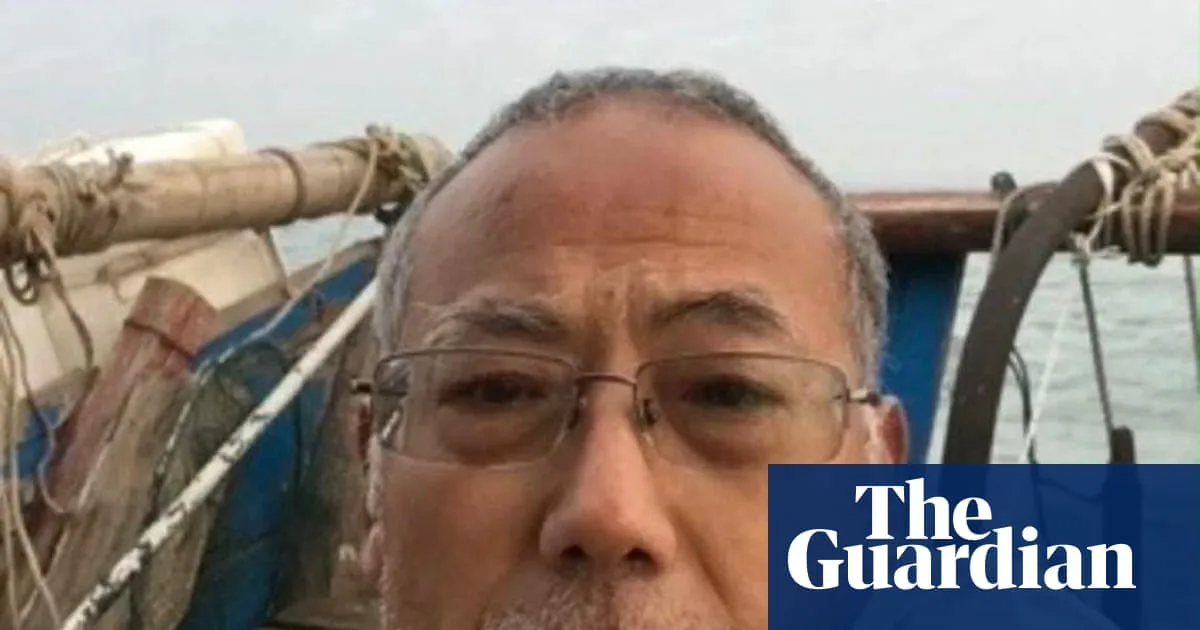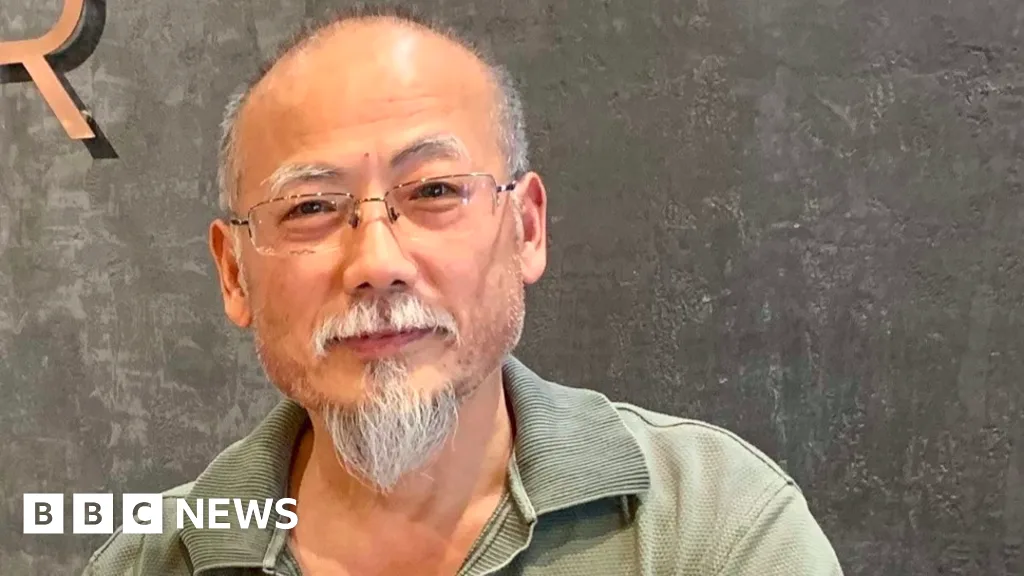
Dong Guangping, a 68-year-old Chinese dissident and former police officer, fled China onboard a small rubber boat and was found in South Korean waters near Taean on May 25, 2026 [1, 2, 3, 4]. He spent more than 30 hours at sea departing from Weifang city in Shandong province before being rescued [1, 2, 4]. The boat was approximately 3.3 to 3.35 meters long with a 9.9 to 10 horsepower motor and traveled over 300 kilometers, ending up about 38 nautical miles off South Korea's west coast [1, 2, 3, 4].
Dong was spotted by fishermen and taken in by the South Korean coast guard. He is currently detained on suspicion of immigration violations pending further processing [1, 2, 3, 4]. Dong has repeatedly tried to escape China by various means over the years. Previous attempts included fleeing to Thailand in 2015, swimming to Kinmen near Taiwan in 2019, and fleeing to Vietnam in 2020; all resulted in his forced return to China [1, 2, 4]. He was imprisoned in China from 2001 to 2004 for inciting subversion of state power and fired from his police job in 1999 after supporting a Tiananmen crackdown petition [1, 4].
Activists and groups such as Human Rights in China have called on South Korea not to deport Dong, warning of risks of persecution and torture if he is returned [1]. The NGO said, "That a man nearing seventy years old was driven to cross open seas in a small inflatable boat is itself a devastating indictment of China's human rights situation" [1]. Dong's family lives in Canada, which has granted him permission to resettle. Supporters hope South Korea will allow him to seek asylum or arrange safe passage there [1, 2].
Chinese Canadian activist Sheng Xue called Dong "too tenacious, too brave," recalling his determination to escape. She said, "I didn’t know exactly when he was going to leave, but he had told me before that he would definitely find a way to get out" [1, 4].
Dong's arrival follows a similar case in 2023 when another Chinese dissident, Kwon Pyong, fled to South Korea on a jet ski-type watercraft. Kwon was convicted but later sought asylum in the United States [2, 3].
South Korean authorities have yet to announce Dong’s immigration proceedings or whether he will be allowed to apply for asylum or transferred elsewhere. His case continues to draw scrutiny from human rights advocates.
The details of Dong's detention and potential next steps are expected to unfold in the coming days as South Korea reviews his status [1, 2, 3, 4].