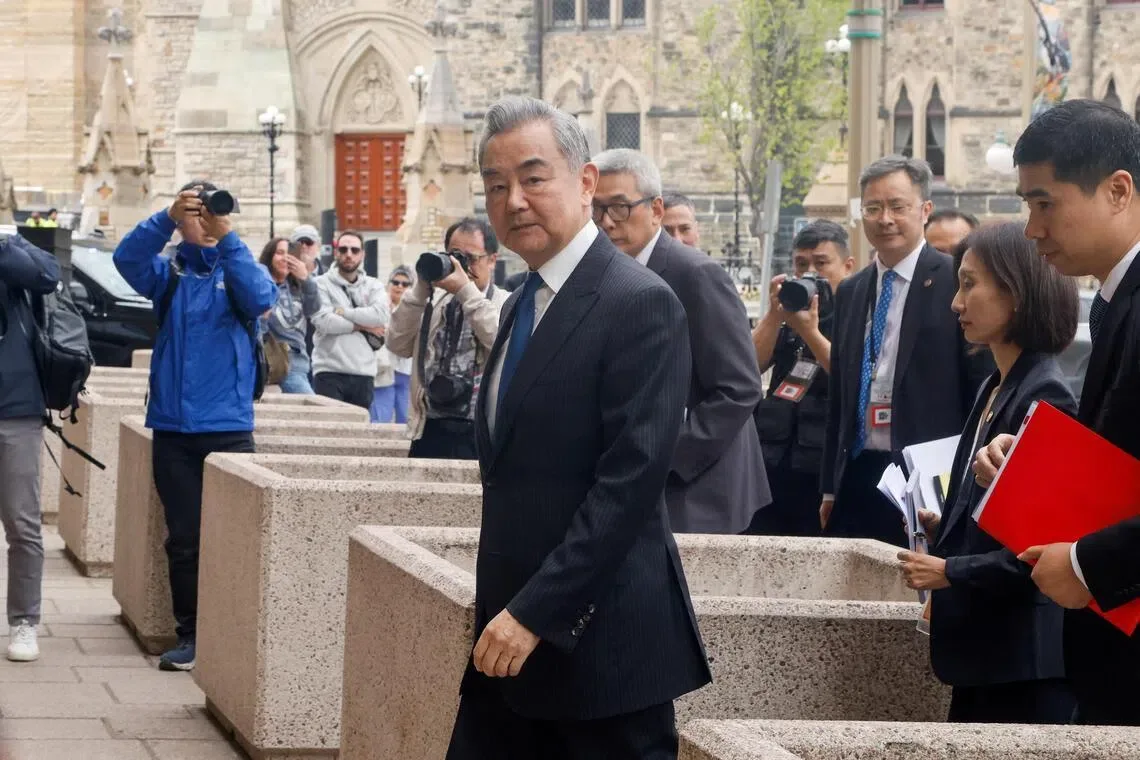
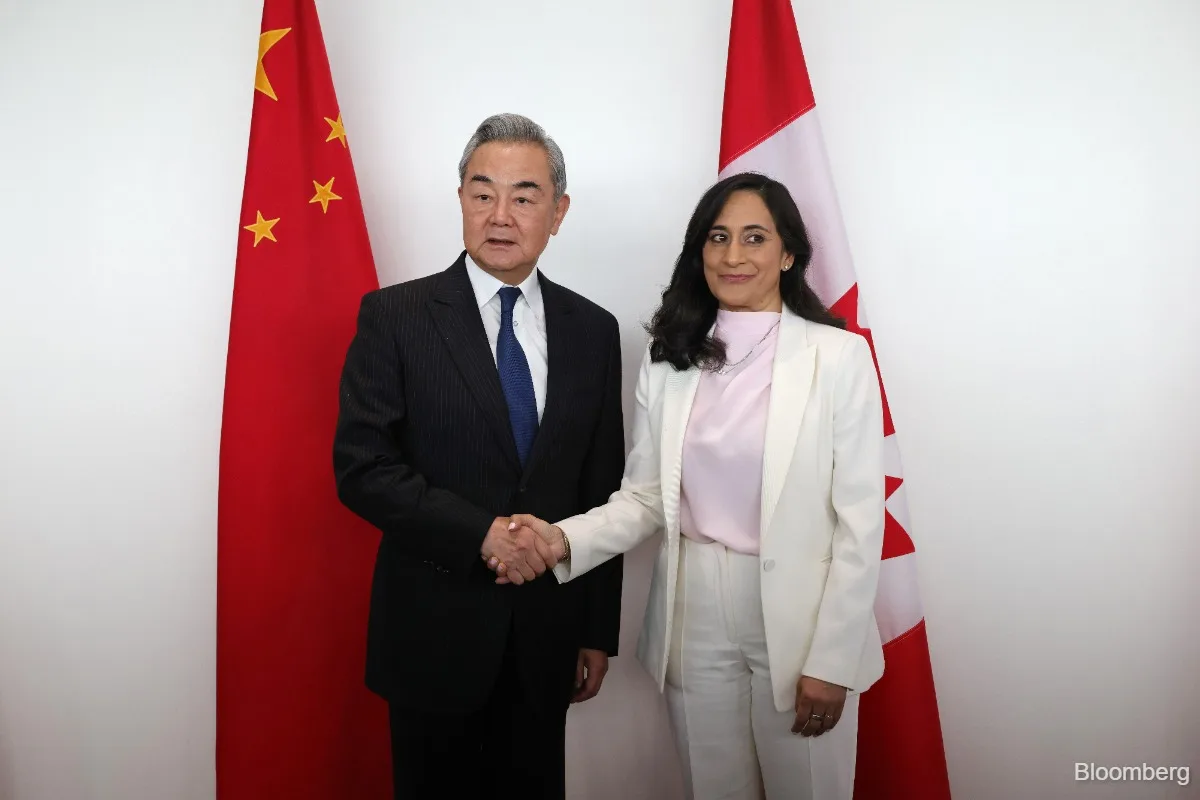
Chinese Foreign Minister Wang Yi made his first visit to Canada in a decade from May 28 to May 30, 2026, seeking to expand bilateral trade and renew high-level political dialogue [1, 2, 3, 4].
Wang Yi met with Canadian Foreign Minister Anita Anand and Prime Minister Mark Carney to discuss economic cooperation and political consultations. He said the two countries’ "bilateral relations have set sail anew, exchanges and cooperation across all fields have been fully restored and the major economic and trade concerns of both sides have been properly addressed" [2].
Canada is targeting a 50% increase in exports to China by 2030. Anand said, "We are committed to growing this relationship responsibly with a goal of increasing exports to China by 50% by 2030, while safeguarding Canada’s economic and national security interests and values." She also described the Canada-China economic relationship as "significant" and focused on growth and diversification [1, 3, 4].
Wang Yi predicted Canada could surpass this target, saying the country "could potentially double its exports to China by 2030" [3].
Bilateral trade between Canada and China reached approximately C$125 billion (US$90 billion) in 2025, underscoring the scale of the economic relationship [1, 2, 4]. In January 2026, Canadian Prime Minister Carney visited Beijing and agreed with Chinese officials to lower trade barriers and tariffs, including a deal to allow 49,000 Chinese electric vehicles annually into Canada at a reduced tariff of 6.1%, removing a previous 100% surtax in exchange for China easing agricultural tariffs [1, 3, 4].
During Wang Yi’s visit, both countries agreed to resume high-level political and security consultations and launch dialogue on national security and the rule of law [2]. The strategic partnership between Canada and China covers trade, investment, energy, finance, public security, and people-to-people ties [1, 4].
On May 29, Wang Yi held meetings with Anand and Carney to review bilateral ties and trade progress [1, 3, 4].
The visit concludes today on May 30, 2026, with expectations that negotiations and dialogue will continue to support Canada’s export growth targets and deepen cooperation in political and security areas.