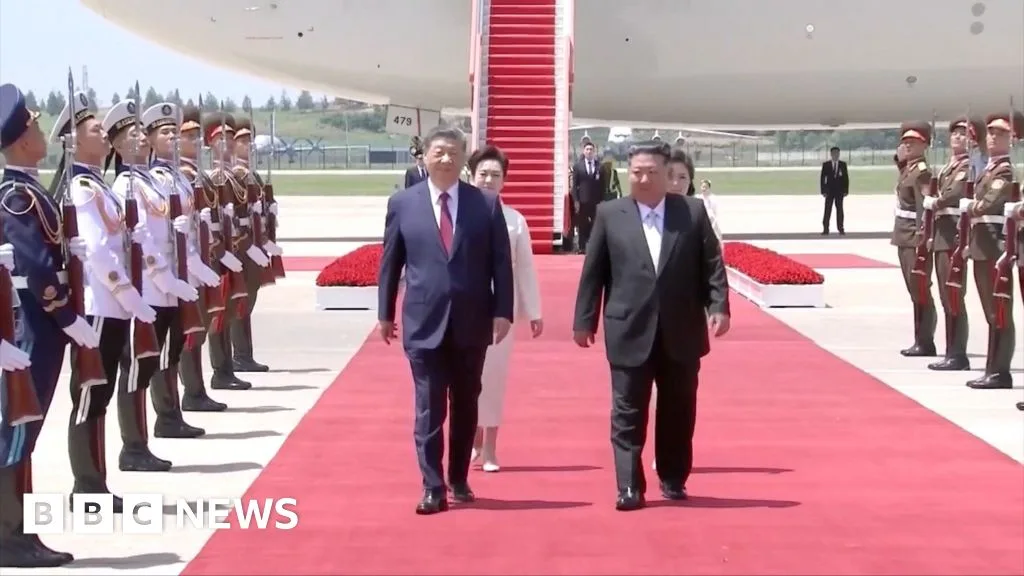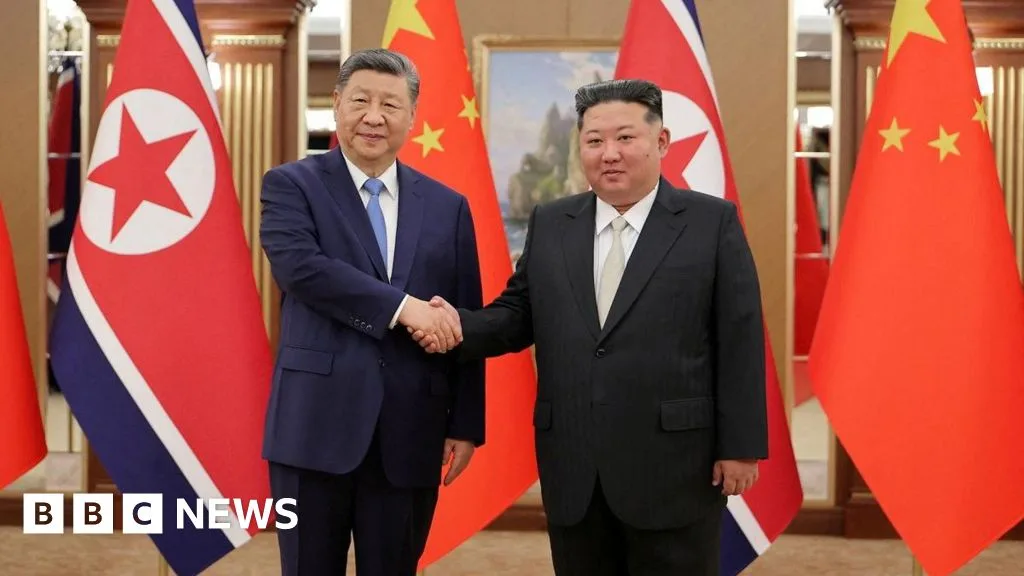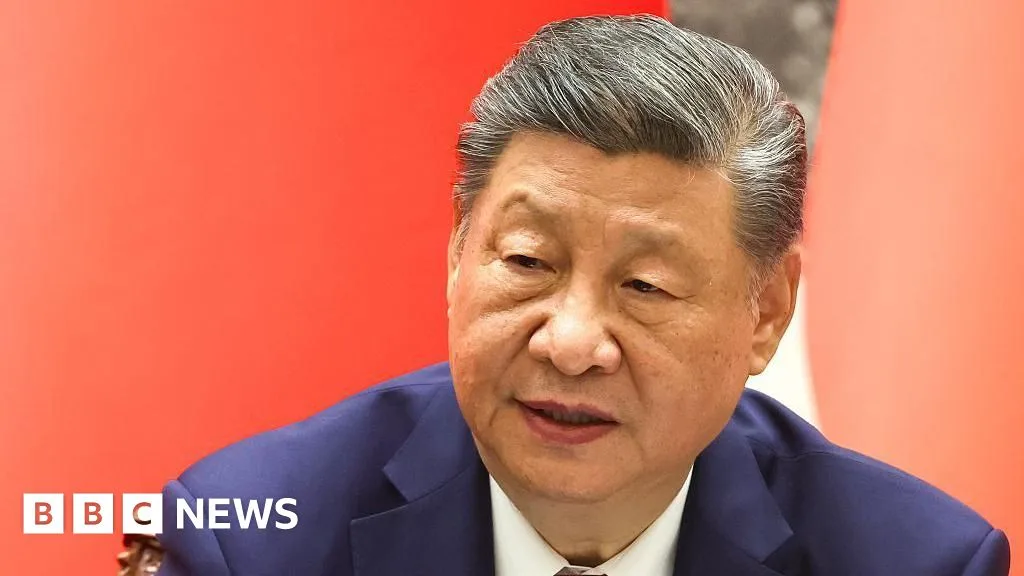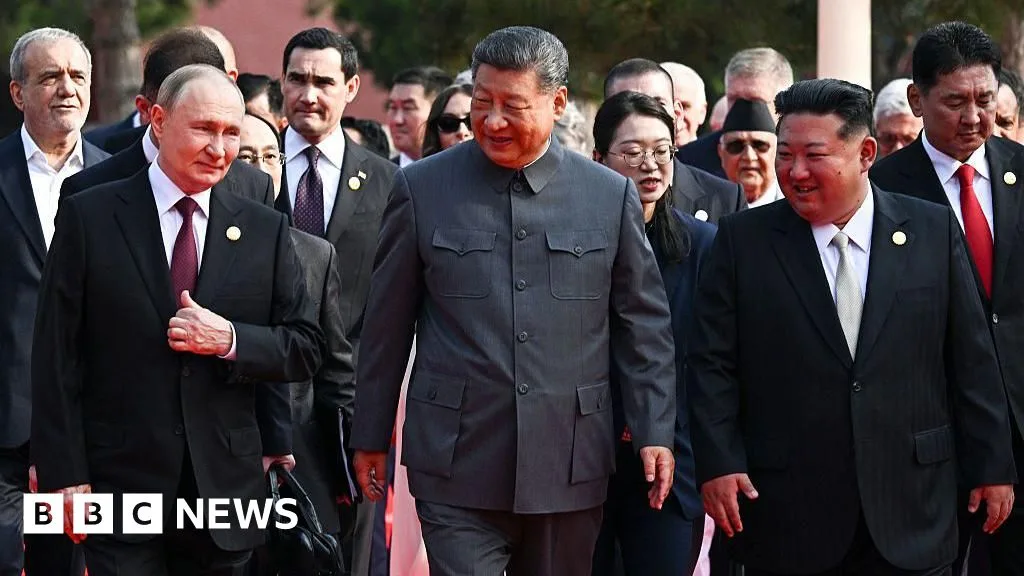
Chinese President Xi Jinping traveled to North Korea from June 8 to June 9, his first visit since 2019, accepting an invitation from North Korean leader Kim Jong Un [1, 2, 3, 4, 5, 6, 7, 8].
The trip marked the 65th anniversary of the China-North Korea defense treaty, the only formal defense pact China holds with any country [1, 3, 5, 6, 7]. Xi's visit sought to reaffirm China's role as North Korea's closest ally and main economic partner amid Pyongyang's growing military cooperation with Russia [2, 3, 9, 8].
North Korea and Russia signed a mutual defense pact in 2024 and deployed roughly 2,300 North Korean soldiers to fight in Ukraine, which has raised concerns in Beijing [2, 9]. Kim's hospitality included a red carpet welcome and acrobatic performances, and he emphasized the enduring friendship, stating, "North Korea would continue to uphold its friendship with China as a top priority" and that "China and North Korea are linked by mountains and rivers and share a common destiny" [3]. Xi echoed the shared destiny comment during the visit [3].
China remains North Korea's largest trading partner, accounting for over 90% of the North's legal trade. The 1,400-kilometer border facilitates this economic lifeline amid international sanctions on Pyongyang [1, 4, 7, 8]. However, no public report indicated any discussions on denuclearization, aligning with North Korea's firm stance on its nuclear weapons program. In fact, North Korea has more than doubled its weapons-grade nuclear material production capacity in the past five years [3, 7].
Since December 2024, North Korea has cut ties and communication with South Korea, labeling South Koreans as sworn enemies. Seoul has expressed hope that Xi will mediate dialogue between North Korea, South Korea, and the United States [1, 7].
International Crisis Group analyst William Yang noted, "While hosting Trump and Putin in Beijing reflects China’s growing confidence in its global standing vis-a-vis two other great powers, the trip to North Korea focuses on both reaffirming bilateral ties and managing risks" [8].
Xi Jinping’s visit ended on June 9, leaving observers watching for any future diplomatic steps among the regional powers.