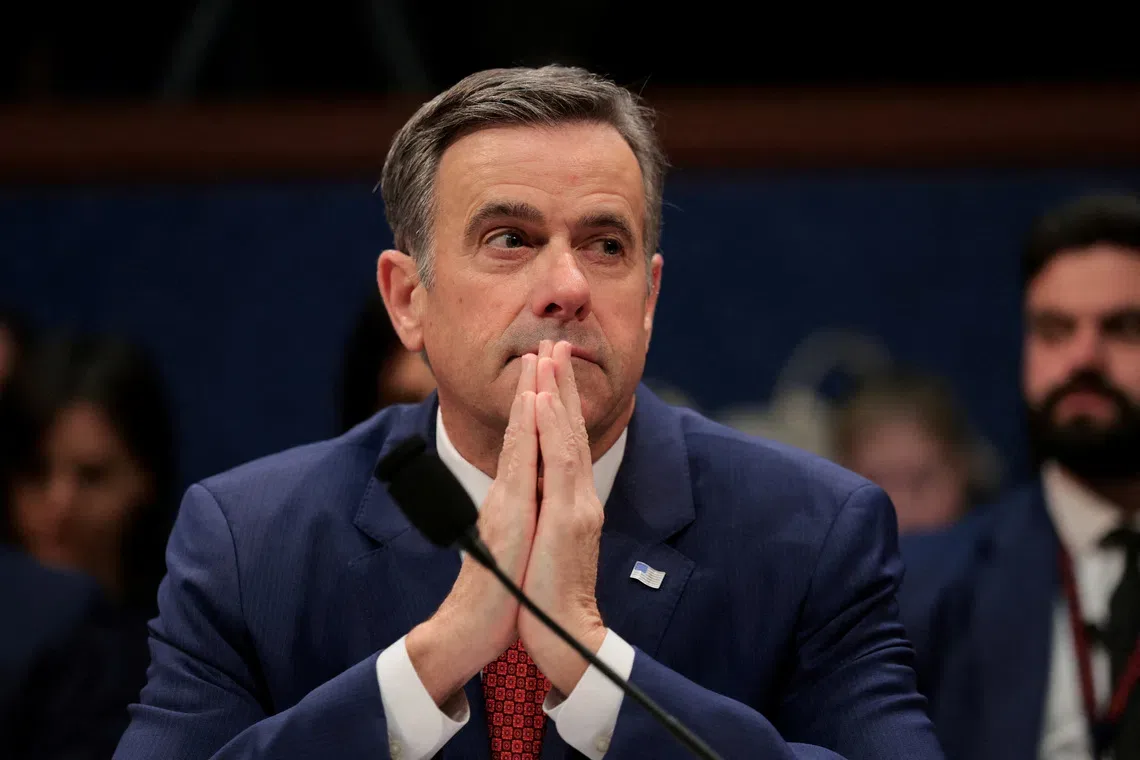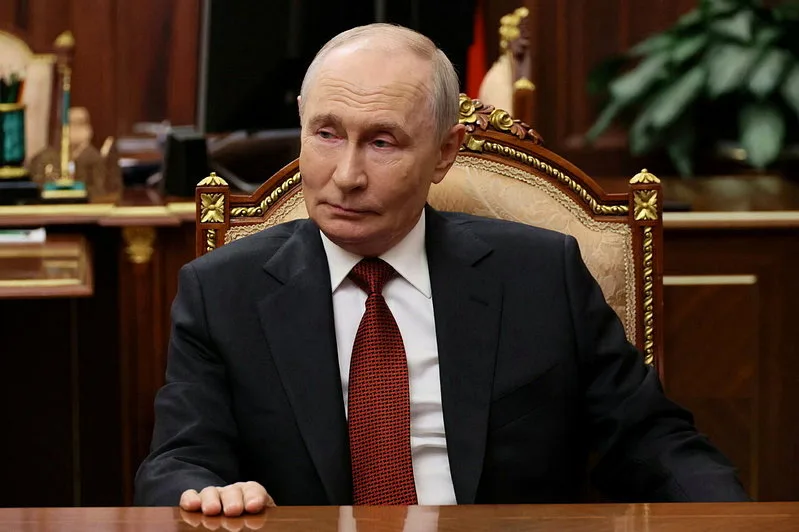
CIA Director John Ratcliffe conducted an unannounced visit to Moscow around August 25, 2026, where he met senior Russian officials including Sergey Naryshkin, head of the Foreign Intelligence Service [1, 2, 3, 4, 5, 6]. This marked the first known CIA director visit to Moscow since Bill Burns in November 2021 [2, 3, 7].
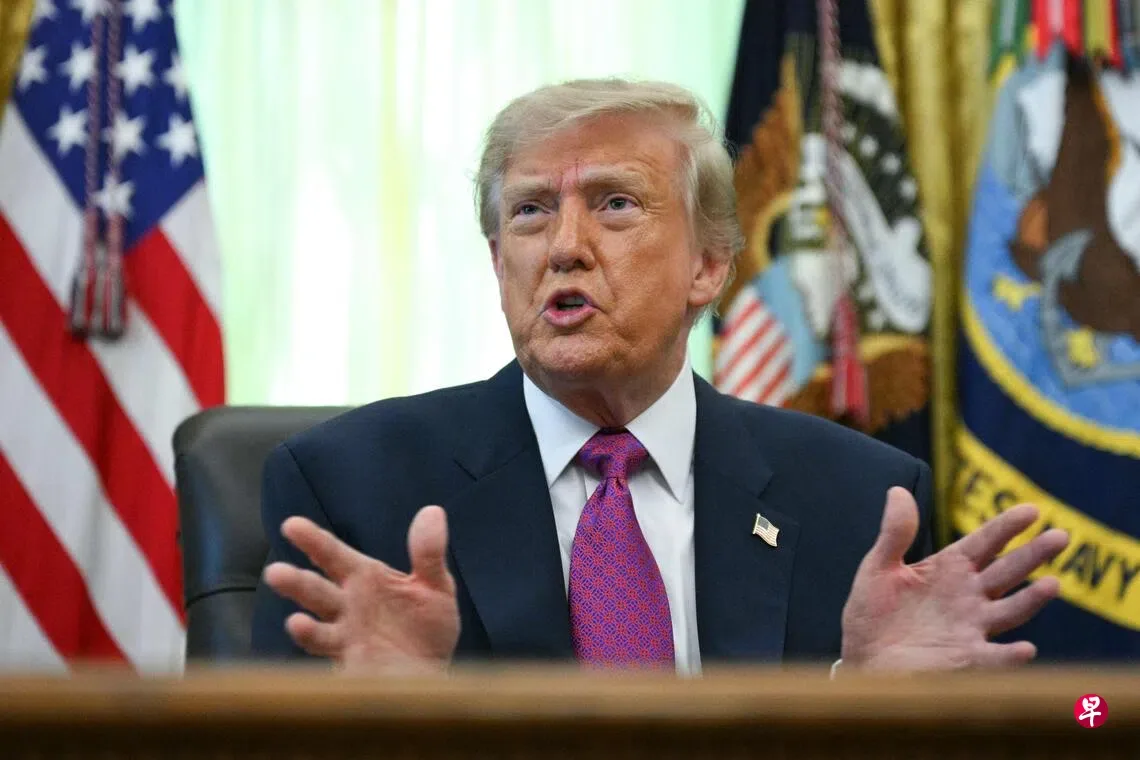
Multiple media outlets reported that Ratcliffe warned Russia not to attack NATO countries, specifically the Baltic states Estonia, Latvia, and Lithuania. A knowledgeable anonymous source said the "meeting mainly aimed to warn Russia not to escalate situations against Baltic NATO countries" [1, 2, 3, 7, 5]. However, US President Donald Trump repeatedly denied these characterizations, calling the visit routine and asserting no warnings were given. Trump said, "He's not going to attack a NATO territory," and described Ratcliffe's contact with his Russian counterpart as occurring "once every six months or once every year" with a "very good relationship." He also added, "There was no message and there was nothing unusual" [8, 2, 9, 4, 5, 10, 11, 6].
European officials appeared to align more with Trump’s assessment. A senior anonymous EU official stated, "European services in general do not see any risk of an attack from Russia to the European countries, and this assessment has not changed" as of August 27, 2026 [1, 9, 10, 11]. The Kremlin dismissed reports of potential Russian attacks on NATO as "scare stories" consistent with Kremlin spokesman Dmitry Peskov’s assertion that such reports are alarmist [1, 9, 10, 11].
Ratcliffe reportedly pressed Russian counterparts to reduce military and economic support to Iran and to cease sharing weapons and defense technology [3, 7, 11]. The visit followed a threat from US Treasury Secretary Janet Yellen on August 24 to expand sanctions on countries maintaining economic ties with Iran [3].
US intelligence assessments indicate Russia is conducting "hybrid warfare" tactics against European countries, including cyberattacks, disinformation, and drone incursions [1, 2, 3, 11]. A medium-confidence US intelligence view holds that the Kremlin may see an opportunity to escalate actions against US interests in Europe due to US military strain from the prolonged Iran conflict [12]. Meanwhile, the Russian Foreign Ministry warned of possible retaliatory strikes against UK and French military targets over their missile technology support to Ukraine [5].
The differing portrayals of Ratcliffe’s visit highlight the tension between diplomatic messaging and media reports. President Trump reiterated his position on August 27, saying, "I had good talks with him. He’s not going to be attacking a NATO territory" [6].
The next scheduled public briefing on the issue is expected as European intelligence and US agencies continue monitoring Russia’s military intentions closely.