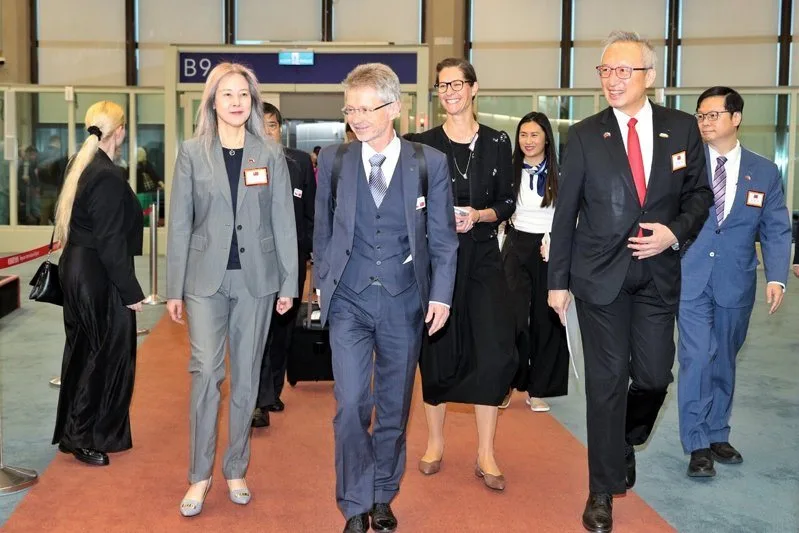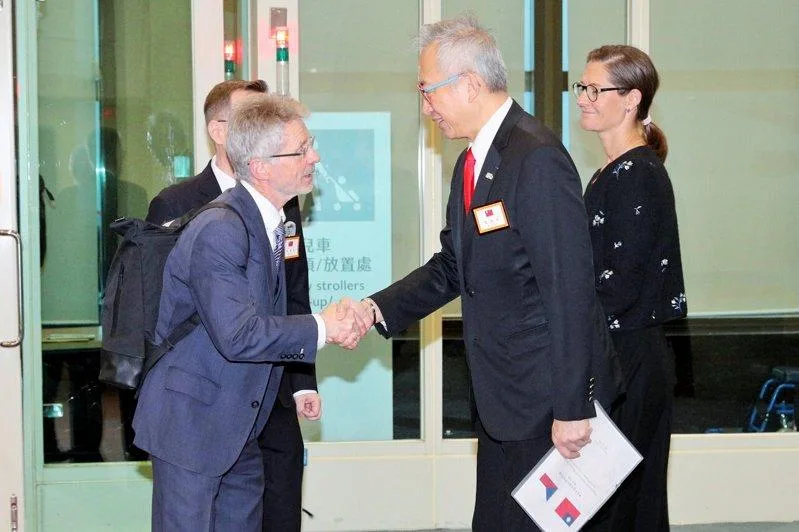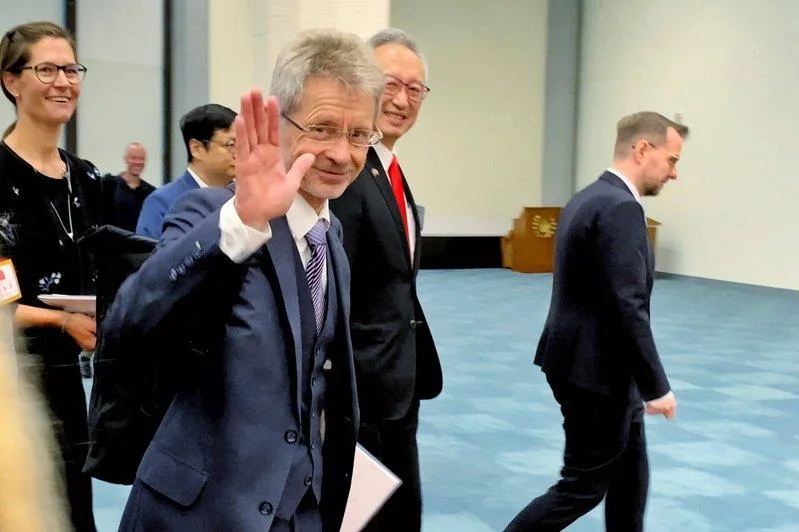
Czech Senate Speaker Miloš Vystrčil arrived in Taiwan early on June 1 leading a delegation of about 40 members, marking his second official visit to the island since 2020. The group landed at Taoyuan International Airport at 5:04 a.m. local time on flight CI-68 of China Airlines, where Taiwan's Deputy Minister of Foreign Affairs Wu Chih-chung was present to welcome them [1, 2, 3, 4, 5, 6, 7, 8, 9].
Vystrčil's four-day visit, scheduled from June 1 to June 4, includes meetings with top Taiwanese leaders such as President Lai Ching-te and Vice President Lai Hsiang-chin. The delegation will also consult with Legislative Yuan representatives and heads of key ministries, and pay a courtesy call to former President Tsai Ing-wen [1, 10, 2, 3, 4, 7, 8, 9].
The visit features a range of political, economic, and cultural events. Vystrčil’s group will attend the unveiling of the "Havel Bench," open a Czech-language classroom, and participate in the InnoVEX innovation exhibition at the Czech pavilion. The schedule aims to deepen cooperation across politics, trade, culture, and technology [1, 4, 6, 7].
Vystrčil, responding to an invitation from Taiwan’s Legislative Yuan Speaker Han Kuo-yu, has planned cross-party exchanges including meetings with both Kuomintang and Democratic Progressive Party representatives [2, 3, 7, 8, 9]. The trip highlights strong bilateral ties despite the Czech ruling coalition pursuing a more pragmatic economic relationship with China and Vystrčil’s party no longer holding government power [1, 9].
Vystrčil's visit came amid heightened tensions with China. On May 31, the Chinese Embassy in Prague issued a statement strongly condemning the visit for seriously violating China's sovereignty and territorial integrity. China demanded the Czech government take immediate measures to eliminate the visit’s negative impact [1, 9]. This followed a May 27 meeting in New York between Chinese Foreign Minister Wang Yi and Czech Deputy Prime Minister and Foreign Minister Jan Lipavský, where China reaffirmed the One-China policy and pressured Czech officials to uphold it [1, 6].
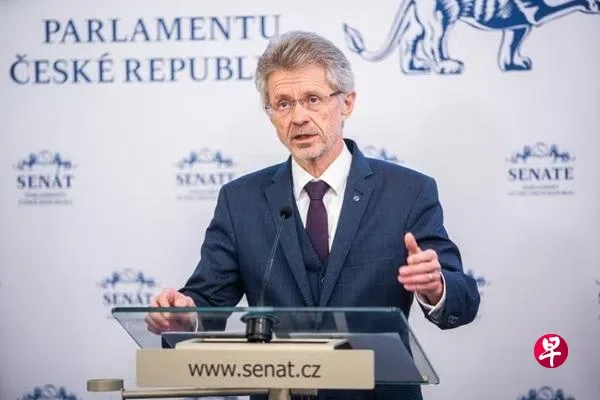
In response to the criticism, Vystrčil said, “Czech Republic and Taiwan are both free and democratic countries. Free democracies should support each other. Only through unity and cooperation can we become stronger” [6]. He added that the visit aimed to “establish connections and expand bilateral cooperation, not only in commerce but also in university exchanges and cultural areas” [2].
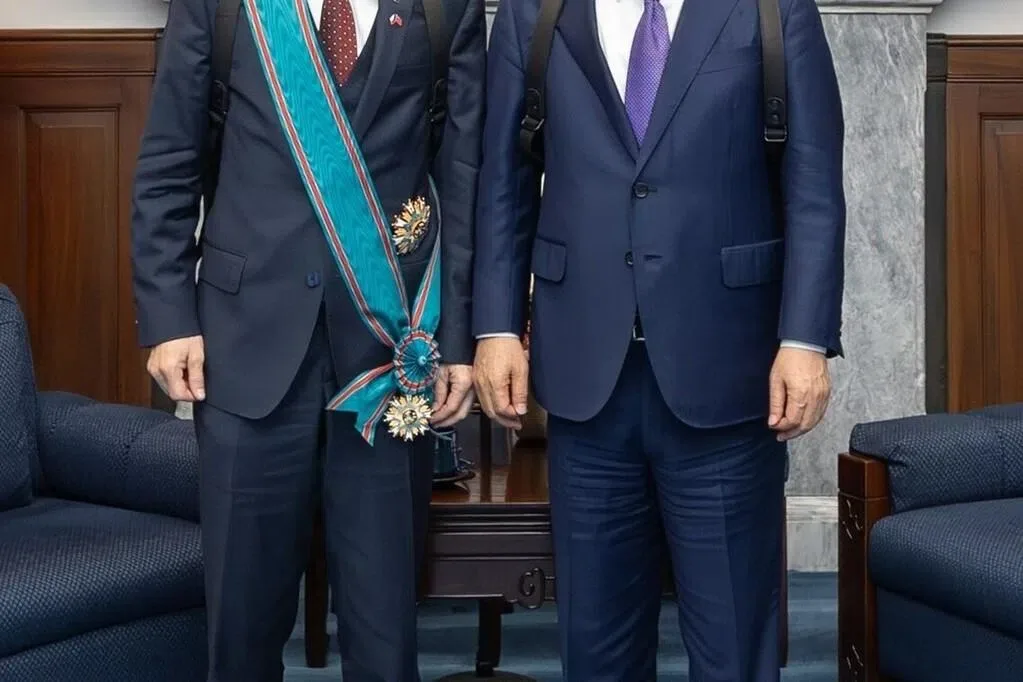
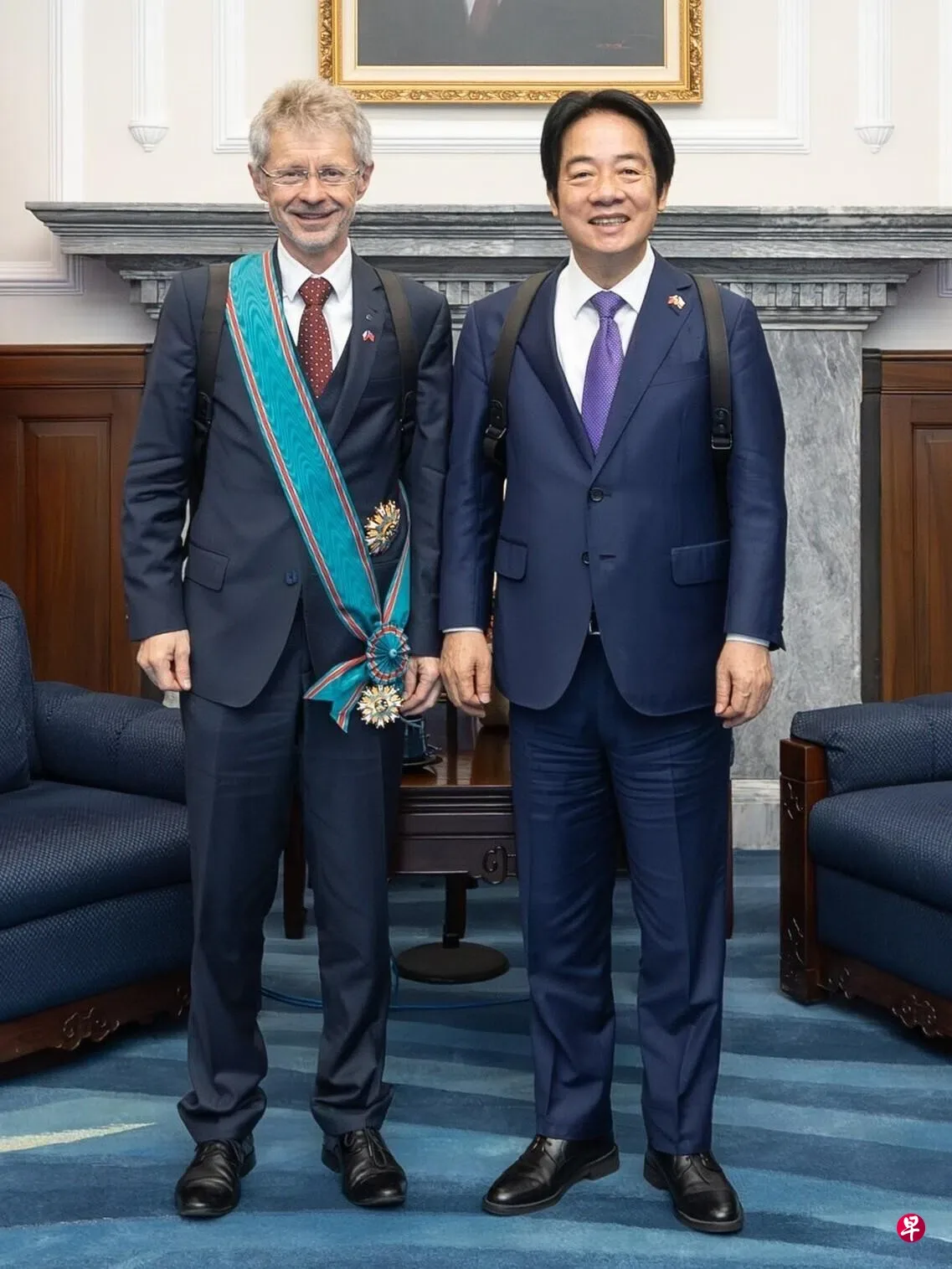
On June 2, President Lai awarded Vystrčil the special Grand Cloud Order medal to acknowledge his support for Taiwan-Czech relations and democratic values. Lai described the honor as “a symbol of the highest respect and gratitude from the Taiwanese people to Vystrčil, and the best proof of Taiwan-Czech friendship” [10].