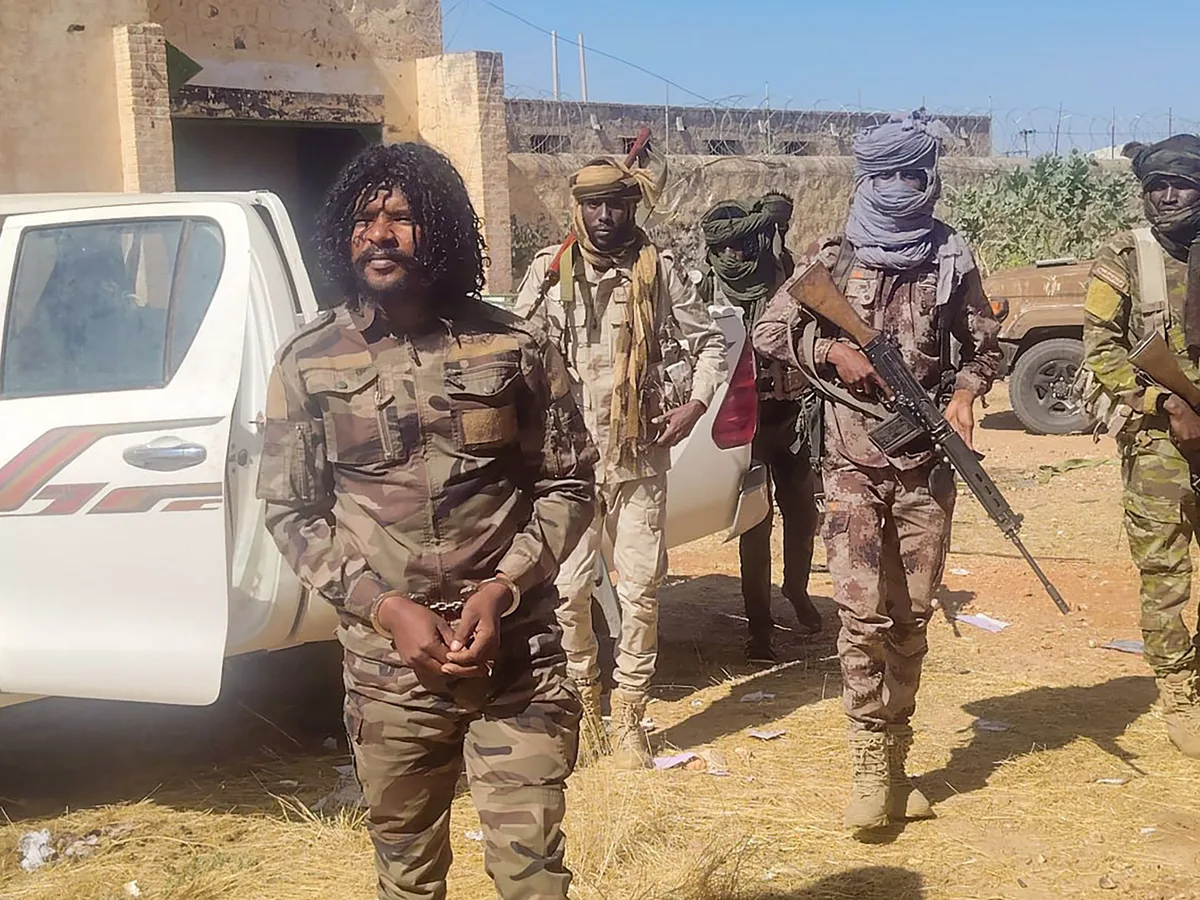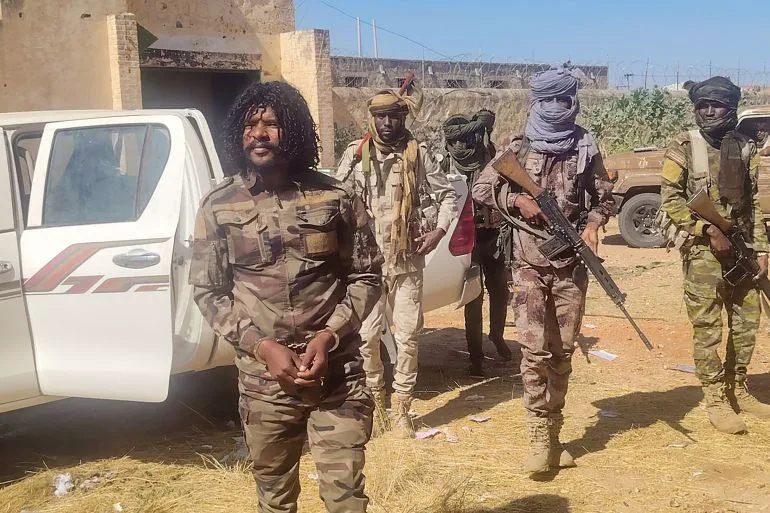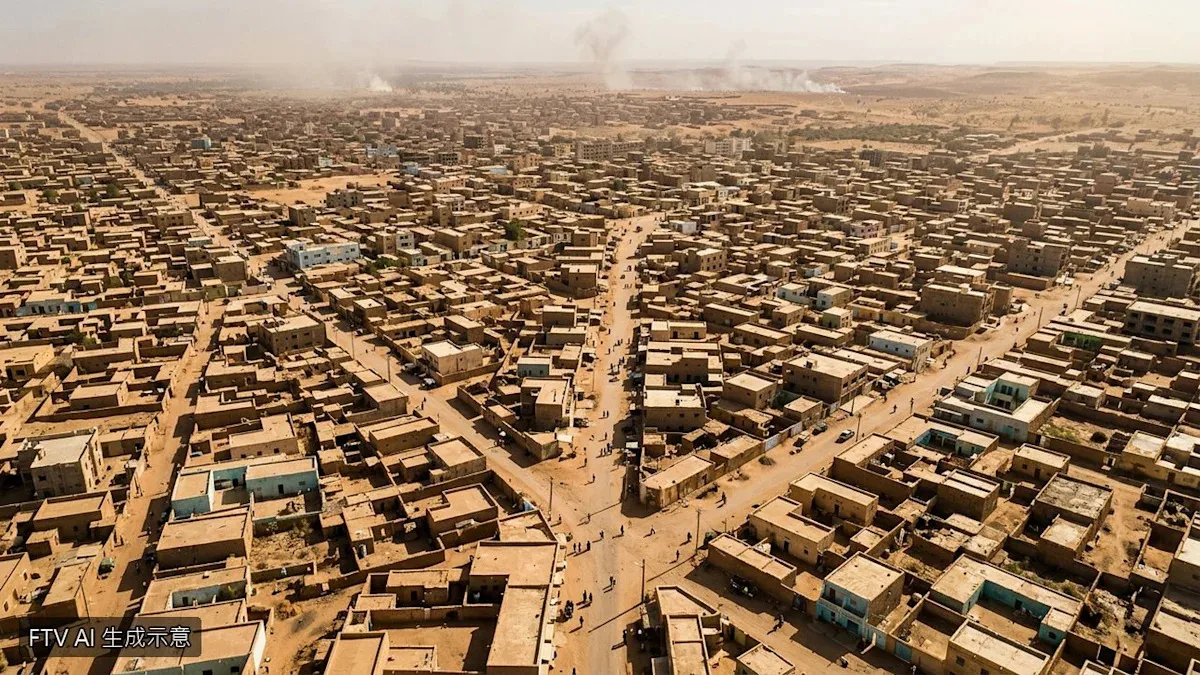
Dozens of countries, including Britain, France, Germany, Canada, Ireland, the Netherlands, Norway, and Sierra Leone, issued a joint warning on June 18 at the UN Human Rights Council. They cautioned that Sudan's paramilitary Rapid Support Forces (RSF) could imminently escalate an assault on the central city of al-Obeid, threatening large-scale atrocities against roughly 500,000 civilians, including more than 100,000 internally displaced persons [1, 2, 3].
Al-Obeid is the capital of North Kordofan state. It serves as a strategic agricultural and transportation hub and has been a battleground in Sudan’s ongoing civil war that has displaced nearly 14 million people nationwide and caused ethnic violence, famine, and disease [1, 2, 3, 4]. Over the past ten days, drone strikes have killed at least 50 civilians and caused damage to civilian infrastructure in al-Obeid and the broader North Kordofan region, worsening the humanitarian crisis [1, 2, 3].
After more than three years of civil war, the Sudanese Armed Forces control the central and eastern parts of Sudan, while the RSF holds territory mainly in Darfur and parts of western Sudan. Both forces currently contest control of the Kordofan region, including al-Obeid [1, 2, 3, 4]. The RSF previously took control of el-Fasher, Darfur’s largest city, in October 2025 after an 18-month siege; the city once had about 1 million residents and now suffers famine [1, 2].
The international coalition called on the RSF to immediately halt assaults on al-Obeid and urged all states to pressure both the RSF and Sudanese Armed Forces to prevent atrocities and allow unhindered humanitarian aid [1, 2, 3]. Norway’s UN Ambassador Tormod Endresen said, "We are deeply concerned at the risk of imminent escalation on the ground, leaving approximately 500,000 civilians at risk of falling victim to large-scale atrocities, including more than 100,000 internally displaced persons" [1].
The UN High Commissioner for Human Rights, Volker Turk, condemned the impending RSF offensive as risking violations of international law and potential atrocities similar to last year’s tragedies in Darfur. Turk warned that people living in al-Obeid face grave risks and urged, "停止這場瘋狂!" (Stop this madness!) [2, 4]. The RSF has been accused by the US and human rights groups of genocide against non-Arabs in West Darfur; the RSF denies these allegations [1, 3].
Nearly 14 million people have been displaced nationwide during the conflict, with famine, disease, and ethnic violence compounding the humanitarian emergency [1, 2, 3, 4]. The recent drone strikes in North Kordofan from June 8 to 17 have added at least 50 civilian deaths to the toll [1, 2, 3].
The UN Human Rights Council will monitor developments closely as the situation in al-Obeid remains tense and a potential outbreak of large-scale violence looms.