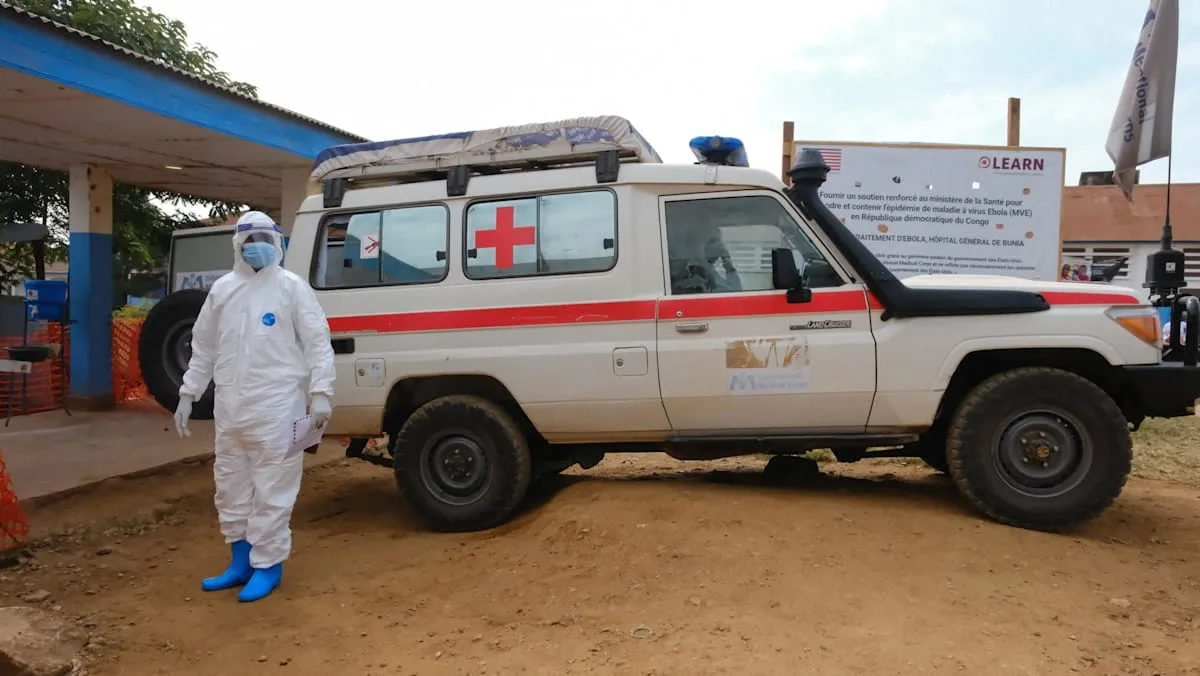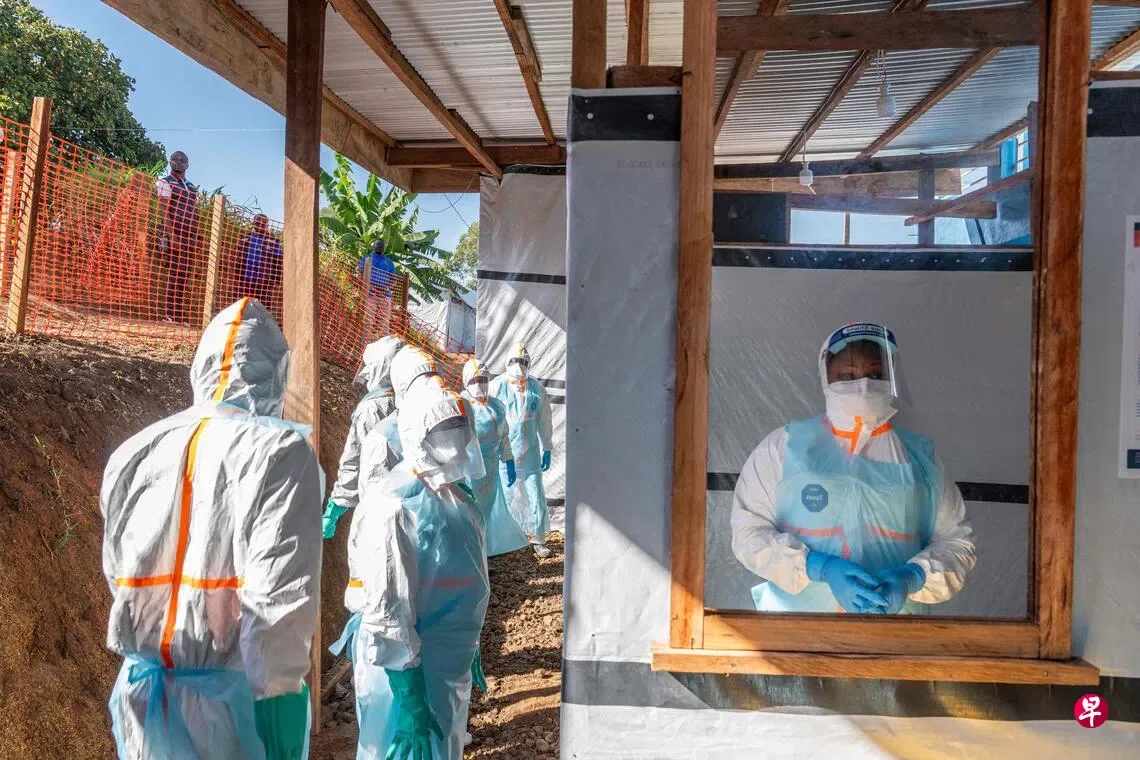
The Democratic Republic of Congo (DRC) faces an unprecedentedly fast and deadly Ebola outbreak that began in May 2026. The outbreak has spread to six provinces, with over 4,449 confirmed cases and more than 2,061 deaths as of early August 2026 [1, 2, 3].
The virus involved is the rare Bundibugyo strain of Ebola, for which no approved vaccine or specific treatment currently exists [4, 5, 6, 7, 8]. The outbreak is spreading faster than the 2014-2016 West Africa Ebola epidemic had in the same time frame [1, 9, 10, 11, 4, 7]. WHO Director-General Tedros Adhanom Ghebreyesus warned on August 12 that if transmission chains are not interrupted, deaths could exceed 10,000, making it the deadliest Ebola epidemic on record. He said, "We are chasing the virus but it is always one step ahead of us" [1, 4, 7].
The outbreak originated in Ituri province in eastern DRC and has since expanded to five additional provinces, including Bas-Uele as the sixth affected province. Cases near the border with South Sudan have raised concern about cross-border spread [9, 10, 11]. Health officials estimate about 90% of cases and 80% of deaths are concentrated in Ituri province [4, 5, 6, 7].
Efforts to control the outbreak face multiple challenges. These include a lack of medical resources, unsafe burial practices that can transmit the virus, ongoing security issues, misinformation, health worker strikes, and transmission occurring outside known contact networks [1, 9, 4, 5, 6, 7].
WHO and partners are expanding treatment capacity, aiming to increase beds to 3,000 and raise contact tracing coverage from about 80% to 95% [7]. Vaccine development is underway: the UK MHRA approved a vaccine candidate by the University of Oxford for clinical trials, and three others are in development targeting the Bundibugyo strain [5, 6, 7].
WHO aims to slow transmission within three months but cautioned that suppression will not immediately end the epidemic, which could last up to 12 months [1, 4, 5, 6, 7]. The DRC government estimates $940 million USD is needed to respond, with approximately half of that funded so far [4, 7].
Taiwan implemented border controls starting June 2, suspending visa issuance for residents of DRC and Uganda, except for students, diplomats, family members, and humanitarian cases [12, 2, 3, 8]. The Taiwan CDC offers voluntary free testing for travelers from these countries at four international airports, testing 10 people so far, with nine negative and one pending [12, 2, 3, 8]. Deputy Director Lin Ming-cheng said, "We have not detected any Ebola cases in Taiwan. We continue to monitor and strengthen border controls."
Taiwan announced on August 14 that it plans to discuss possibly extending border control measures and testing for travelers from the affected regions [12, 2, 3, 8].