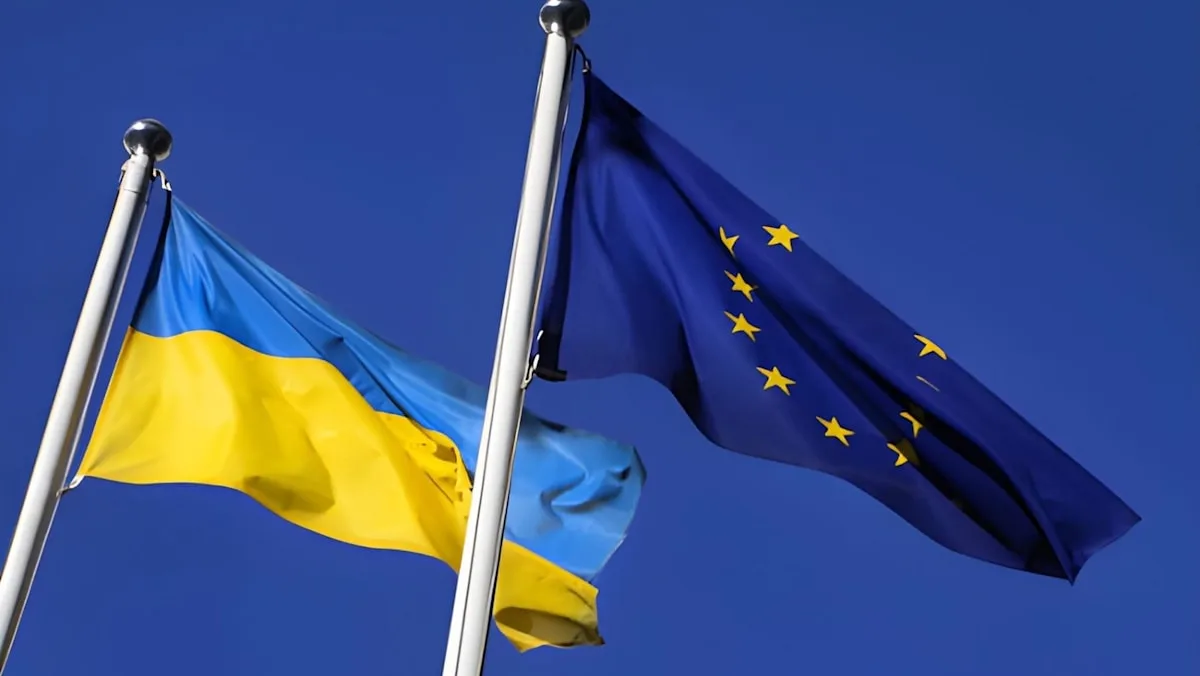
The European Commission approved an additional €6.1 billion (about US$7.1 billion) in military aid to Ukraine for purchasing air defense and missile defense systems, missiles, ammunition, and radars on August 24, 2026 [1, 2, 3]. This funding is part of a larger €90 billion loan package pledged by the EU to Ukraine over two years, which includes €60 billion for military aid and €30 billion for economic support [4, 2, 5].
Prior to this new allocation, approximately €16 billion had been allocated for Ukraine’s defense procurements, with around €8.5 billion disbursed to Kyiv by August 2026 [4, 2]. The €6.1 billion approved now adds to a previously established €16 billion procurement plan, bringing the total planned aid for military equipment higher [1, 6, 3]. The aid funds will mainly be used to purchase defense products from European Union defense companies, supporting domestic defense industries [6].
July 2026 saw 376 recorded missile strikes in Ukraine, underscoring an urgent need to strengthen air and missile defense capabilities [4, 2]. Ukrainian officials have repeatedly emphasized the critical requirement for more missile interceptors, especially US Patriot air defense systems, to counter continuous Russian missile attacks [4, 2]. Under EU loan terms, Ukraine’s defense procurements from non-EU/EEA countries are capped at 35% of total purchases. However, exceptions exist for urgent procurement, including for Patriot missile interceptors [5].
EU Commission President Ursula von der Leyen said, "On Ukraine's Independence Day, we show our unfaltering support. Today, we approved €6.1 billion for the air and missile defence systems, missiles, ammunition and radars that Ukraine urgently needs" [4]. She added that as Russia’s offensive intensifies, the EU is acting quickly to help Ukraine protect its people and airspace, promising continued support when needed [7, 1, 3].
Debate continues within the EU over restrictions on Ukraine’s military procurement outside of the EU/EEA. France advocates for temporary exemptions to support European defense firms, while nine EU countries seek maximum flexibility to speed approvals for non-EU weapon supplies, including US systems [5].
The new €6.1 billion aid package marks the latest step by the EU to bolster Ukraine’s defenses amid rising threats. Disbursement is expected to begin shortly, enabling Ukraine to accelerate purchases of critical defense equipment.