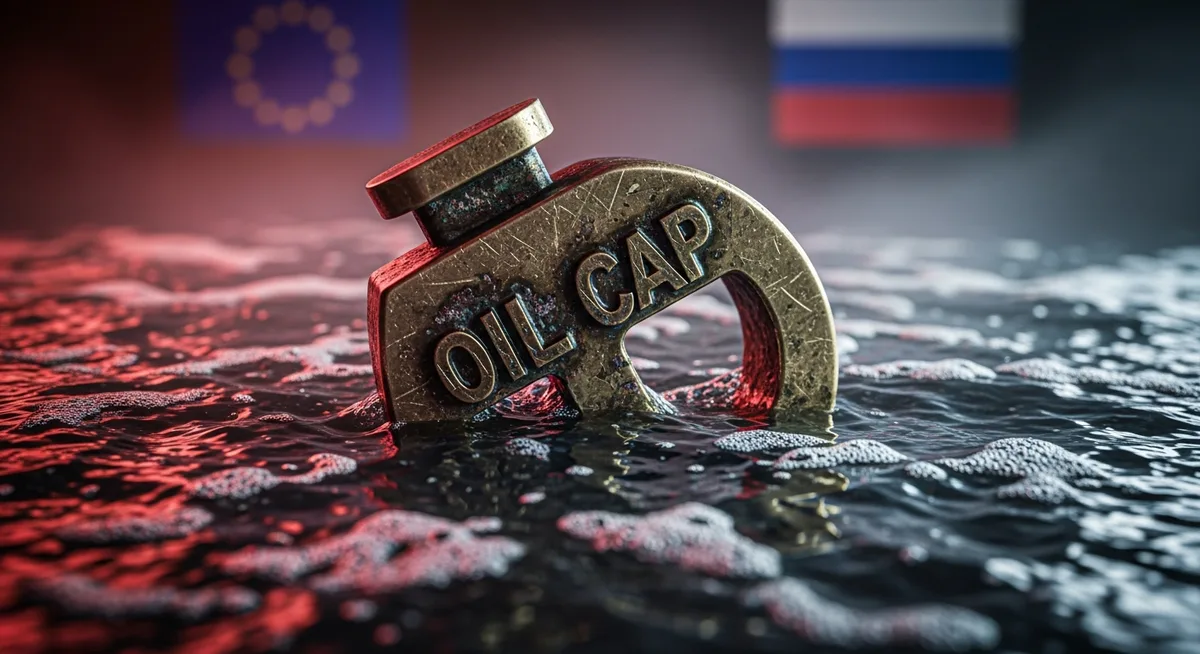
The European Union is considering keeping the Russian oil price cap at the current $44.10 per barrel level to prevent further price rises amid the ongoing war in the Middle East and related disruptions to oil markets [1, 2, 3, 4]. The current cap, set through a dynamic mechanism adopted last year, adjusts every six months to 15% below the average market price [1, 2, 3, 4]. It is due for review in July 2026.
Rising oil prices caused by the Iran conflict and the closure of the Strait of Hormuz could drive the July review to raise the cap to at least $65, exceeding the prior G7 cap of $60 [1, 2, 3, 4]. To avoid this, the EU is weighing options including freezing the price at $44.10, suspending the dynamic adjustment until the end of the year, or aligning the cap at $60 with the G7 [1, 2, 3, 4].
The price cap mechanism bars European firms from providing insurance and shipping services for Russian oil sold above the set cap, aiming to restrict Russia’s oil revenue since its full-scale invasion of Ukraine in 2022 [1, 2, 3, 4]. The new measures come amid preparations for the EU’s 21st package of sanctions against Russia, planned for formal adoption in early June 2026 [1, 2, 3, 4].
The sanctions will target third-country banks, oil traders, refineries, cryptocurrency operators helping Russia bypass restrictions, and about 20 vessels in Russia’s shadow tanker fleet [2, 4]. They also plan to expand restrictions to ships carrying liquefied natural gas to curb the formation of a shadow LNG fleet for Russia [2, 4]. However, a full ban on maritime services is considered unlikely due to opposition from EU members citing regional volatility from the Middle East [2].
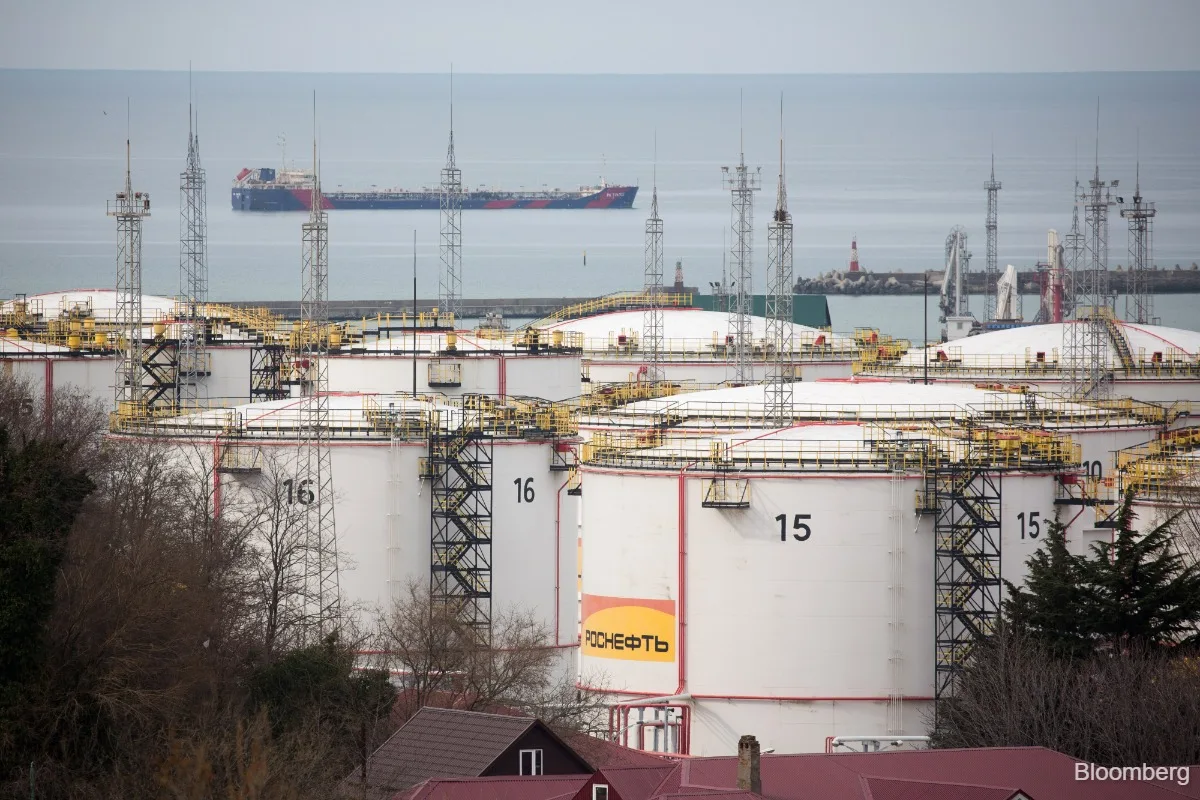
Separately, in a continuation of its campaign against Russian oil infrastructure, Ukraine struck a Rosneft refinery and a pumping facility in Saratov, Russia, last weekend, causing a large fire [3].
The next scheduled event is the July 2026 review of the price cap, where the EU could finalize whether to raise, freeze, or adjust the mechanism amid ongoing global tensions [1, 2, 3, 4].