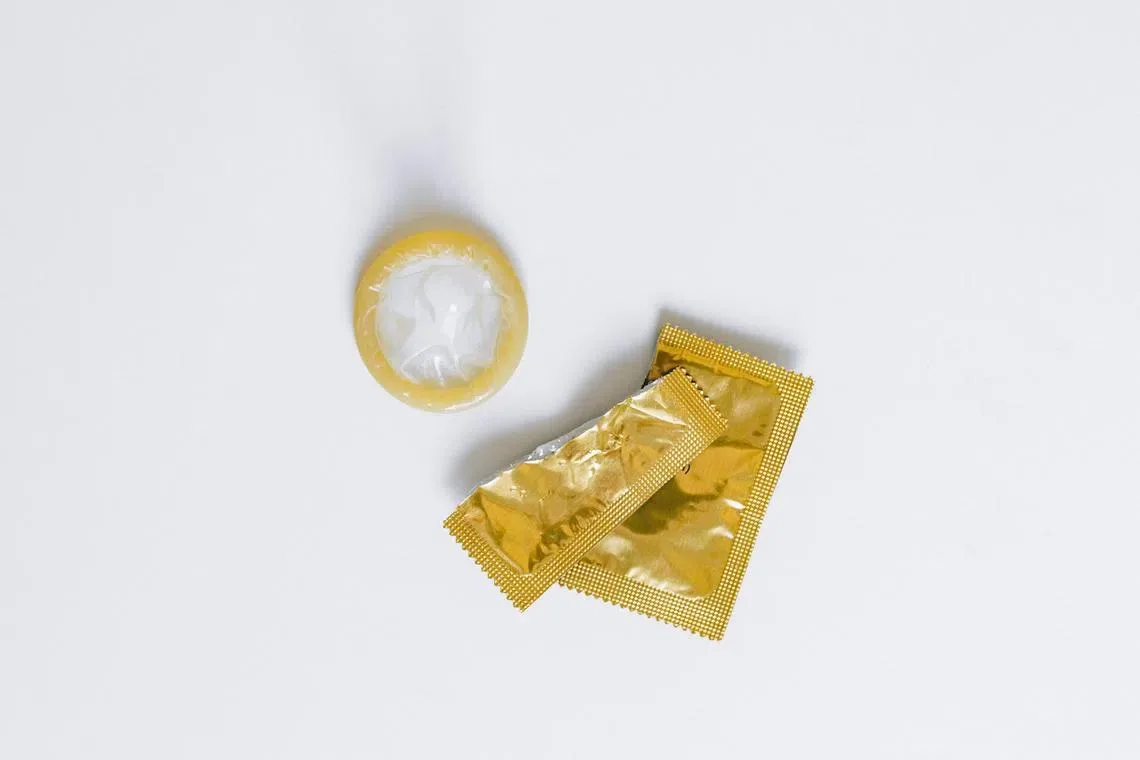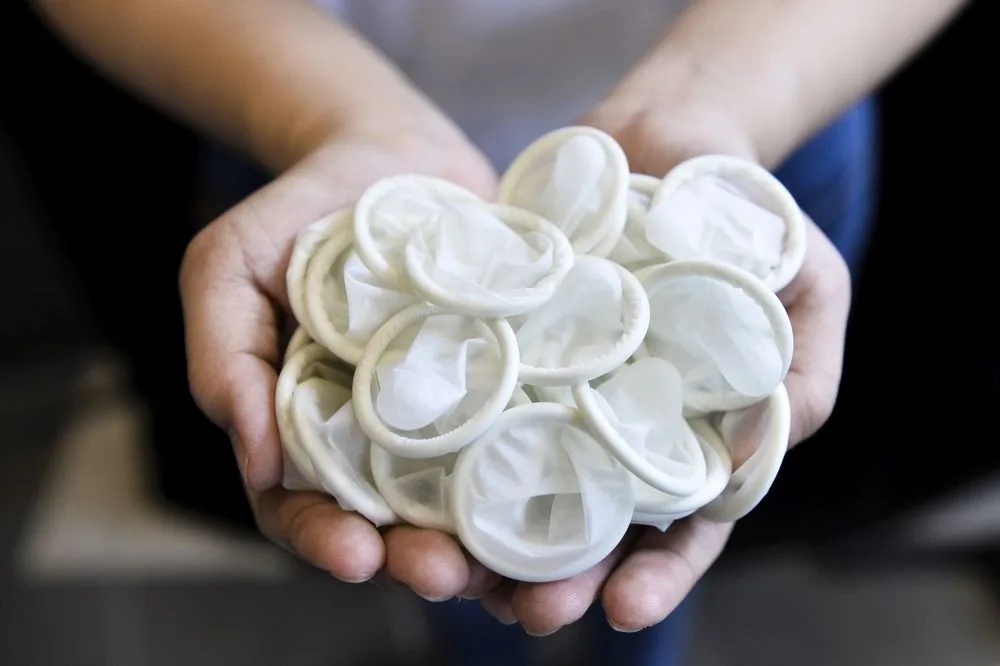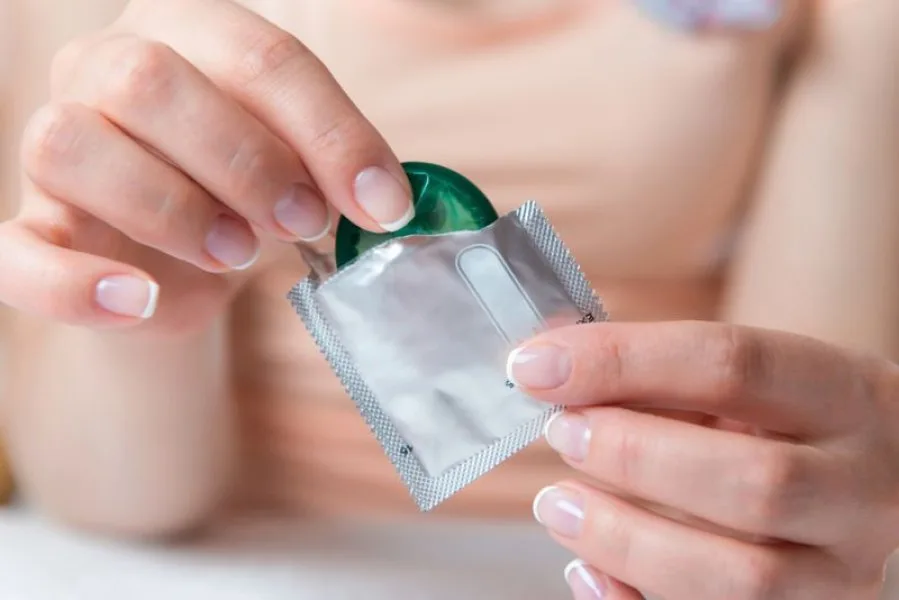
EU officials announced on July 7 that they disrupted a network importing more than 200,000 counterfeit condoms into Europe, valued at over 200,000 euros [1, 2, 3, 4, 5, 6].
The European Anti-Fraud Office (OLAF) coordinated the seizures across Romania, Serbia, and Spain, tracing the counterfeit goods back to one supplier in China [1, 2, 3, 7, 8, 4, 5, 6]. The products used the logo of a well-known brand but were falsely declared as toys to avoid customs inspections and circumvent EU medical device regulations [1, 3, 7, 8, 4, 5, 6].
The counterfeit condoms did not meet EU safety standards such as CE certification and ISO 4074 requirements, making them untested and unsafe [8, 4, 5, 6]. OLAF Director-General Petr Klement warned about the health risks, stating, "Counterfeit condoms are dangerous. They are untested, uncontrolled and unsafe. They can allow for the spread of sexually transmitted infections." He further emphasized that these fake condoms could accelerate the spread of STIs and create a serious public health risk [1, 3, 4, 5, 6].
Klement stressed that the counterfeit condoms might contain harmful chemicals and, because they offer no reliable protection, users face risks of unwanted pregnancy and diseases including HIV/AIDS [6]. OLAF targeted the criminal network behind the illegal trade to stop further distribution [4, 5].
The supply chain’s response remains unclear; no information yet exists on sanctions against the Chinese supplier or intermediaries [1, 2, 3].
The seizure represents a coordinated effort by European and Chinese authorities to trace and disrupt this illicit trade in unsafe medical products [1, 3, 7, 8, 4, 5, 6]. The operation highlights ongoing enforcement against counterfeit health-related goods entering the EU under false declarations.
EU officials continue investigation and monitoring of imports to prevent recurrence of similar public health threats.