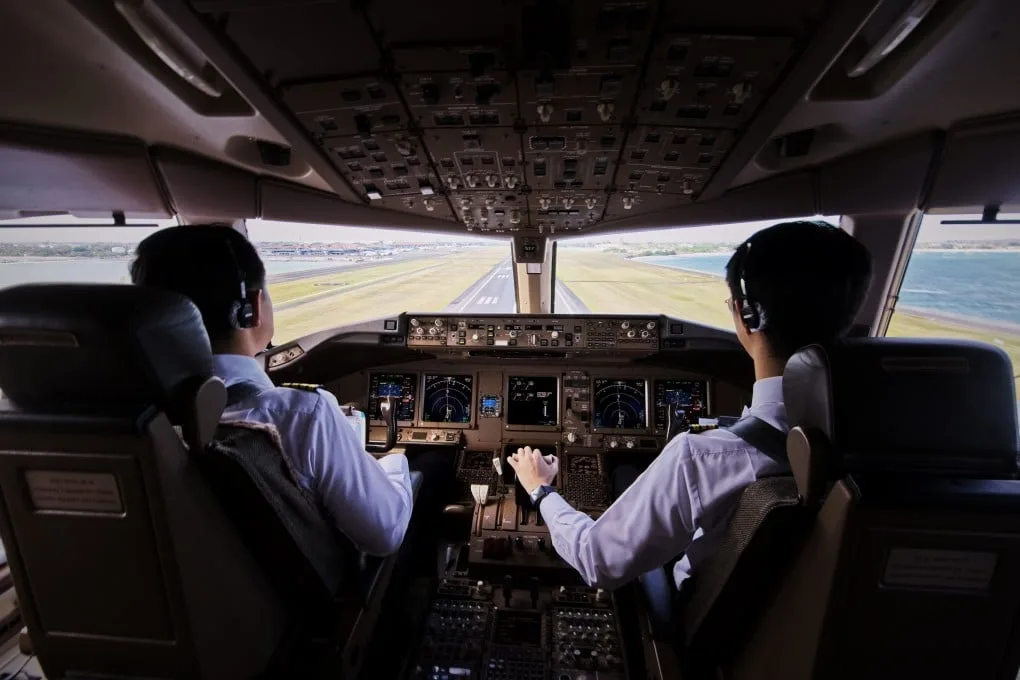
U.S. flight attendants had the highest percentage of deaths from radiation-related cancers among more than 500 occupations studied, with pilots ranking second, according to a new analysis published August 17, 2026, in JAMA Internal Medicine [1, 2, 3]. Researchers analyzed nearly 13 million U.S. death certificates collected between 2020 and 2024 that included occupational data [2].
Among flight attendants, 6.9% of deaths were linked to radiation-related cancers, while 6.7% of pilot deaths were attributed to such cancers [2, 3]. The study found flight attendants have about 50% higher odds, and pilots about 36% higher odds, of dying from radiation-related cancers than the general working population [1, 3].
Radiation-related cancers included leukemia, lymphoma, multiple myeloma, skin cancer, breast cancer, thyroid cancer, prostate cancer, and central nervous system cancers [1, 2, 3]. Neither flight attendants nor pilots had higher death rates from cancers unrelated to radiation, supporting occupational radiation exposure rather than lifestyle factors as the main cause [1, 3]. Catherine Olsen and Ken Karipidis noted, "Non-radiation-related cancer death rates in crew are not elevated, indicating excess cases stem from occupational radiation rather than lifestyle or socioeconomics" [3].
Flight crews face annual cosmic radiation doses between 3 and 6 millisieverts—roughly 8 to 15 times the exposure of someone taking 10 round-trip cross-country flights annually [2]. Anupam B. Jena, M.D., Ph.D., explained, "As you get high up in the atmosphere, you're exposed to ionizing radiation from the sun – it's called cosmic radiation" [2]. He emphasized that increased cancer risk is not due to lifestyle, stating, "It's not just lifestyle factors or factors about these individuals that are making them more likely to develop cancer at large" [2].
The U.S. Federal Aviation Administration recognizes cosmic radiation exposure in aircrew but has not set federal dose limits or required monitoring. Dr. Vishal Patel stated, "Although the FAA acknowledges aircrews are exposed to ionizing radiation, the government has not set federal dose limits or required monitoring" [3]. Sara Nelson, a union president, criticized the lack of information and accountability, saying, "Known risks exist but crew are not educated or informed and no agency is responsible" [3].
Researchers noted they could not exclude potential contributions from circadian rhythm disruptions or other radiation sources outside work, but occupational exposure likely plays a dominant role [3]. Jena suggested that regular cancer screening for airline crew members could be considered earlier than the general population, stating, "Just making sure that these individuals are screened regularly, that they may be screened earlier in life than other folks — I think that's totally on the table" [2].