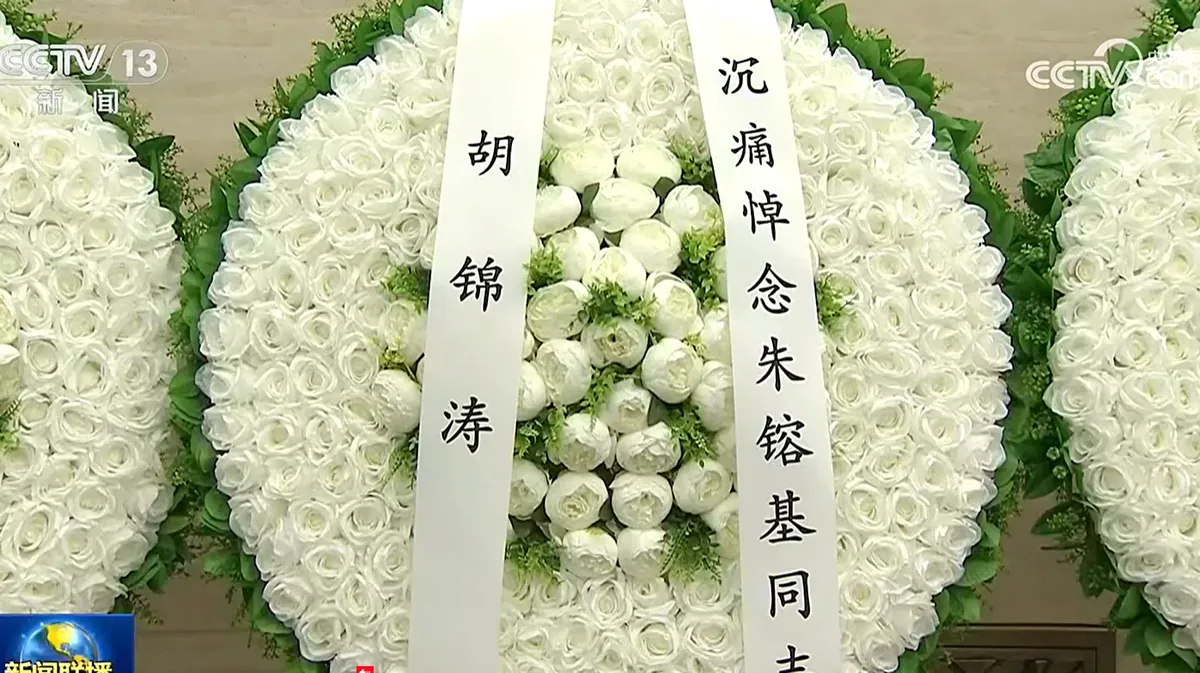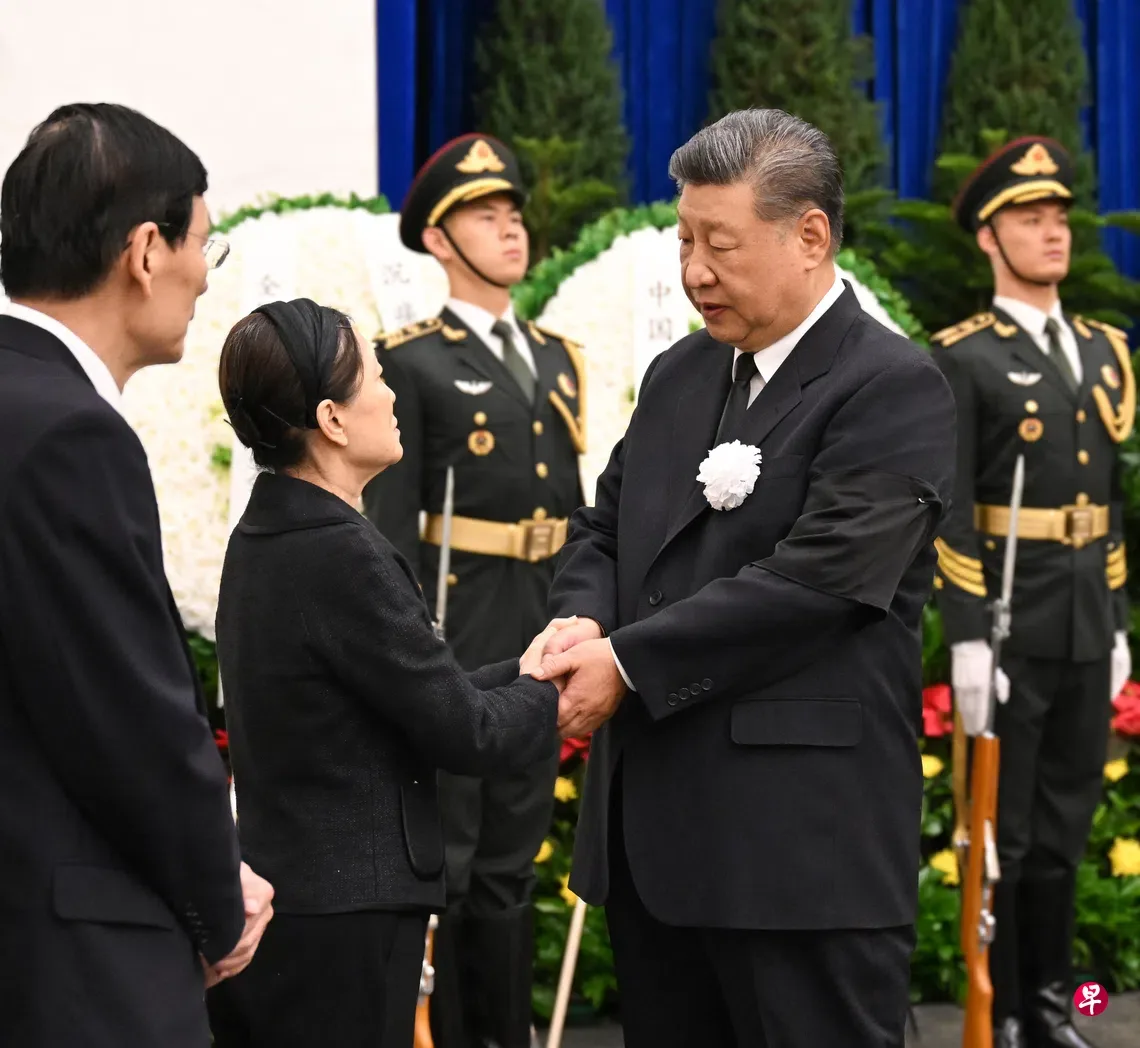
Former Chinese Premier Zhu Rongji, who died on August 12, 2026, at age 98 in Beijing, was cremated on August 18 at the Babaoshan Revolutionary Cemetery in Beijing [1, 2, 3, 4, 5, 6, 7, 8, 9]. The farewell ceremony saw Chinese Communist Party General Secretary Xi Jinping and the seven members of the Politburo Standing Committee solemnly mourning Zhu and offering condolences to his family [4, 5, 6, 7, 8]. Former party General Secretary Hu Jintao did not attend but sent a wreath to express his condolences [4, 5, 6, 7, 10, 8].
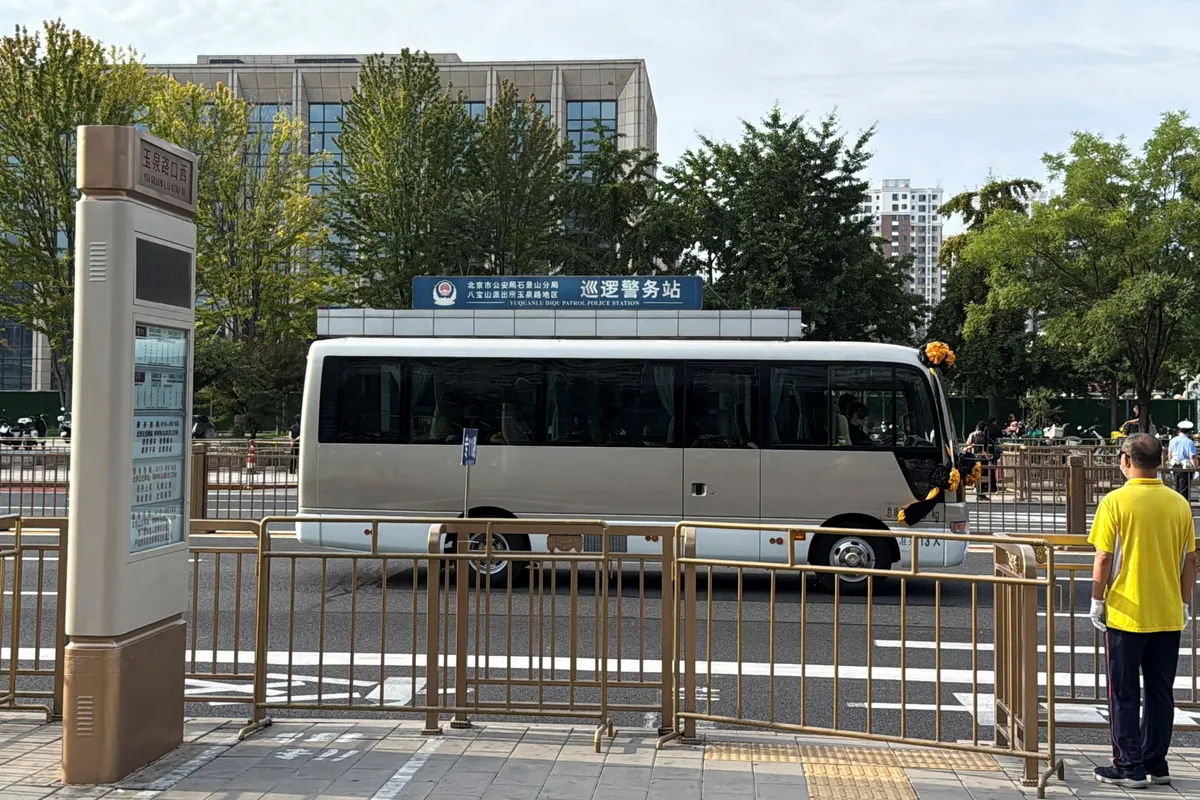
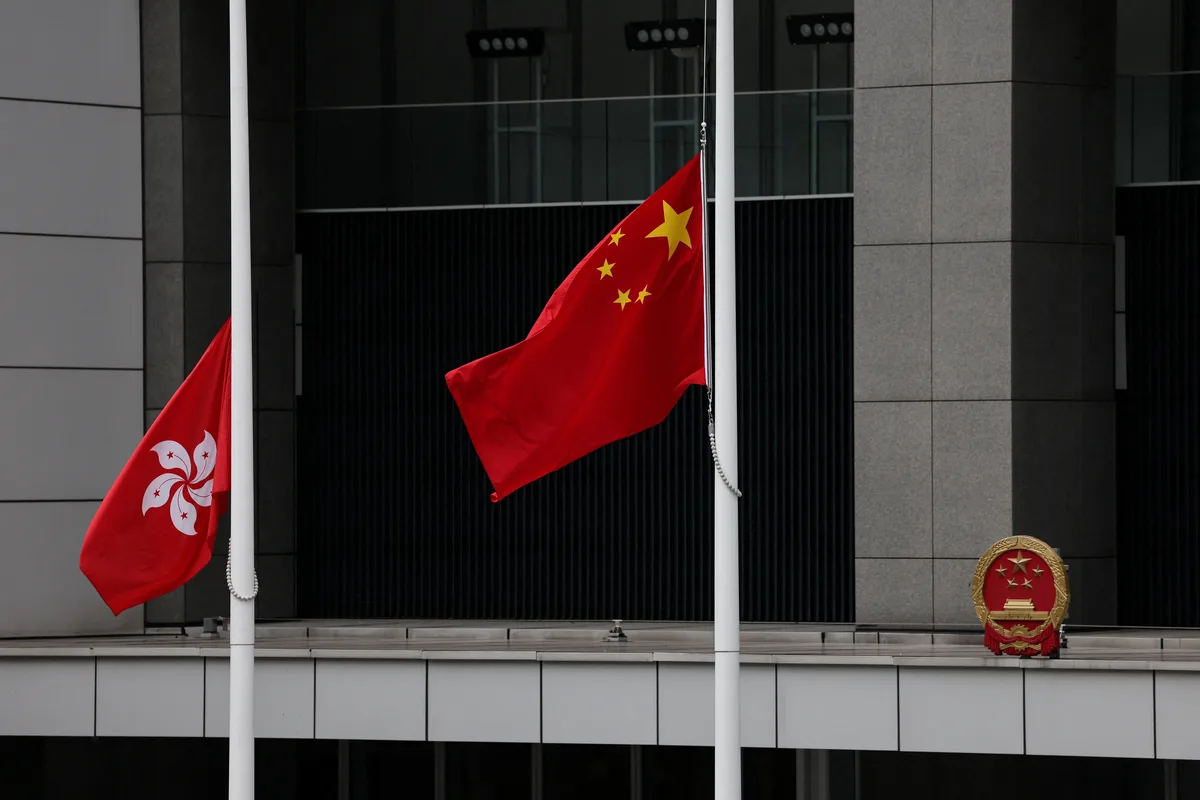
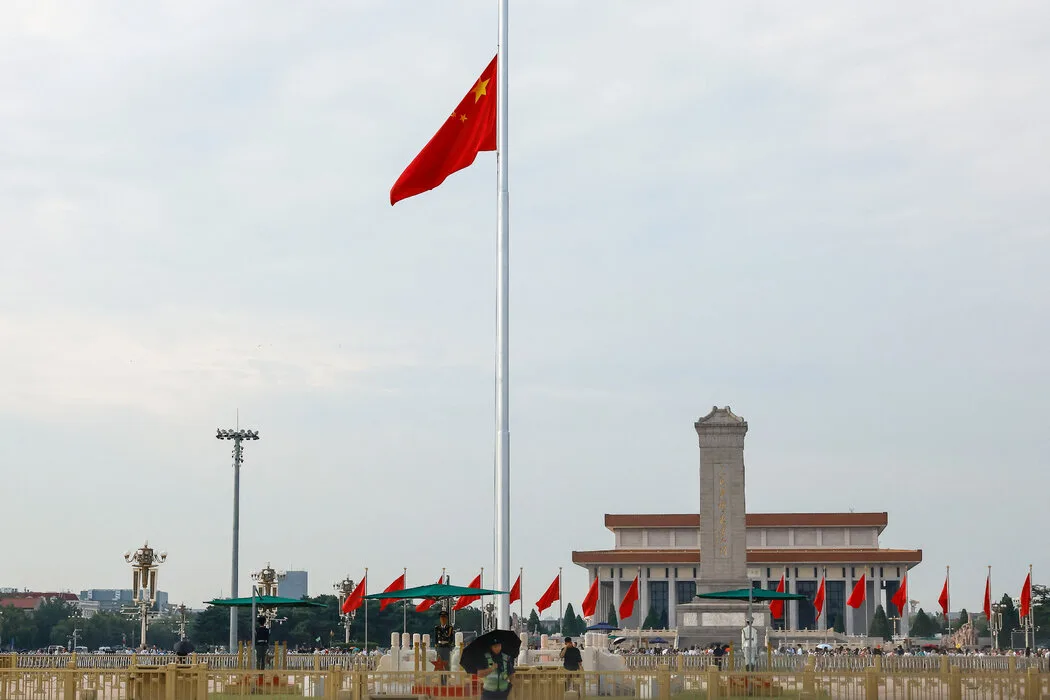
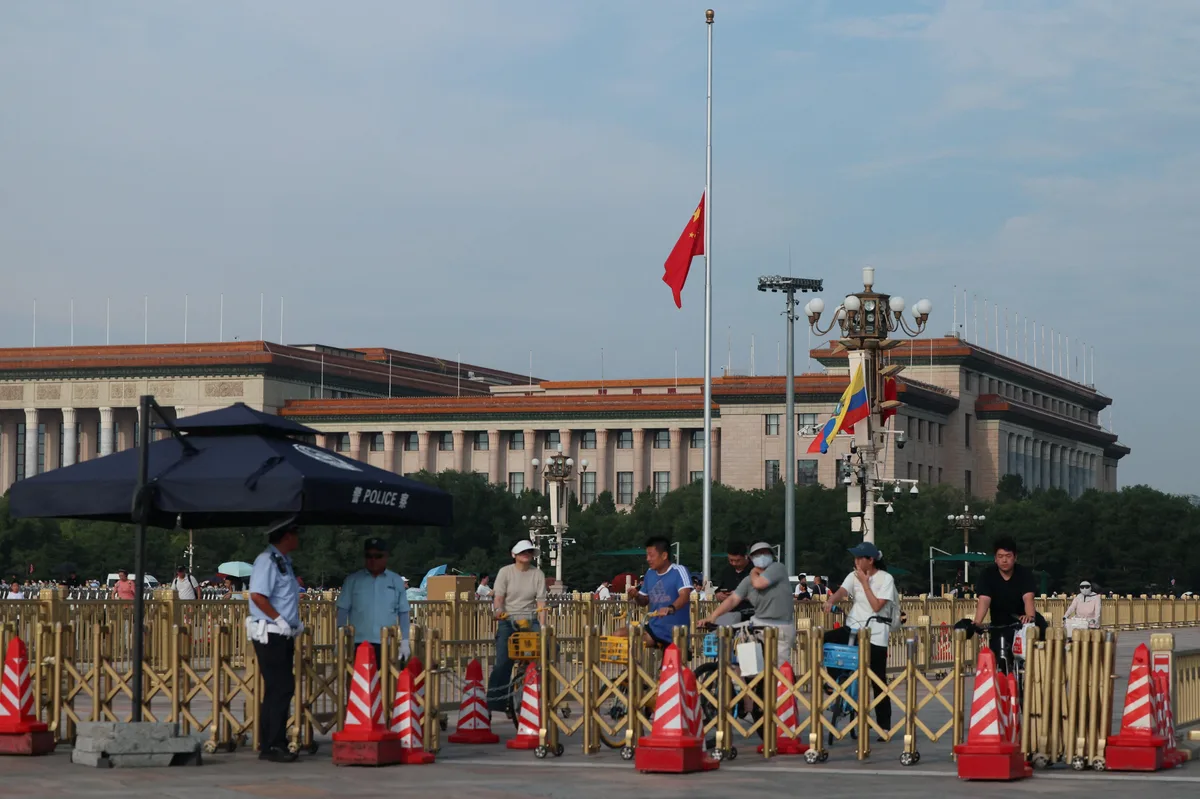
Flags were flown at half-mast nationwide, including at Tiananmen Square, Xinhua Gate, the Great Hall of the People, the Ministry of Foreign Affairs, provincial and municipal party offices, as well as at border ports, airports, and Chinese embassies abroad to mourn Zhu Rongji on August 18 [1, 2, 3, 4, 8, 9]. Security measures were tight around the burial site and Tiananmen Square, with roads blocked and police presence increased [4, 6, 7, 8, 9].
Zhu served as Premier from 1998 to 2003 and was a key figure in China's economic reforms, overseeing fiscal and financial restructuring, state-owned enterprise reform, and leading China's entry into the World Trade Organization [11, 4, 8, 9]. His reforms brought significant economic growth but also sparked controversy over large-scale layoffs of state enterprise workers [11, 4, 8]. Zhu once stated, "I only hope that after I leave office, all the people can say ‘he was an upright official, not a corrupt one’. If that is true, I will be very satisfied" [9].
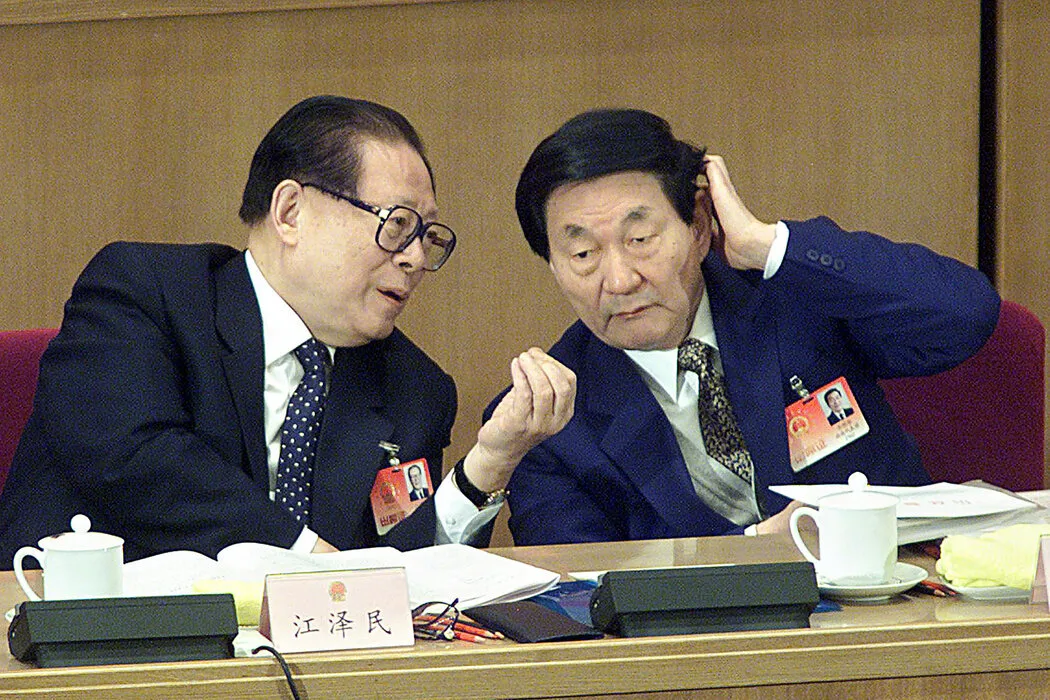
The age at Zhu's death has some discrepancy; most sources report he was 98, while the BBC Chinese cited 97 years old [3]. On August 17, senior party leaders, including Xi Jinping, had gathered for Jiang Zemin's 100th birth anniversary event ahead of Zhu’s cremation [3, 10]. The funeral on August 18 marks the final public ceremony honoring the late Premier.
The official mourning and cremation follow standard protocol for senior Chinese leaders and symbolize the high regard held for Zhu Rongji’s contributions to China’s modern economy.