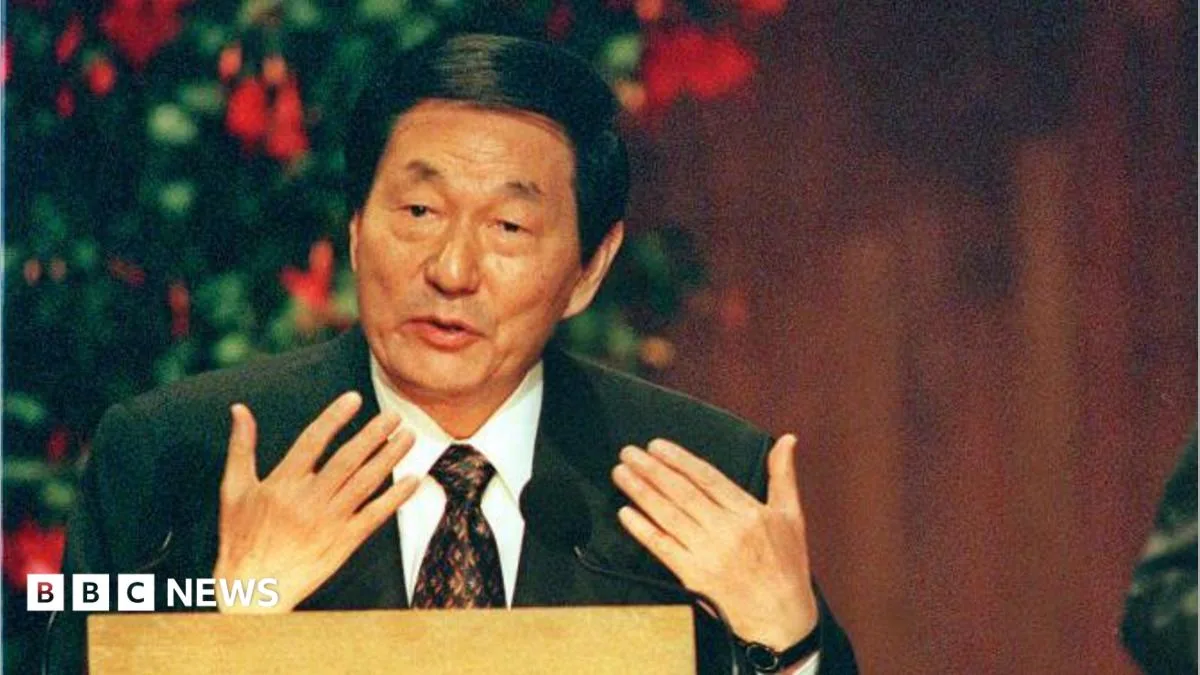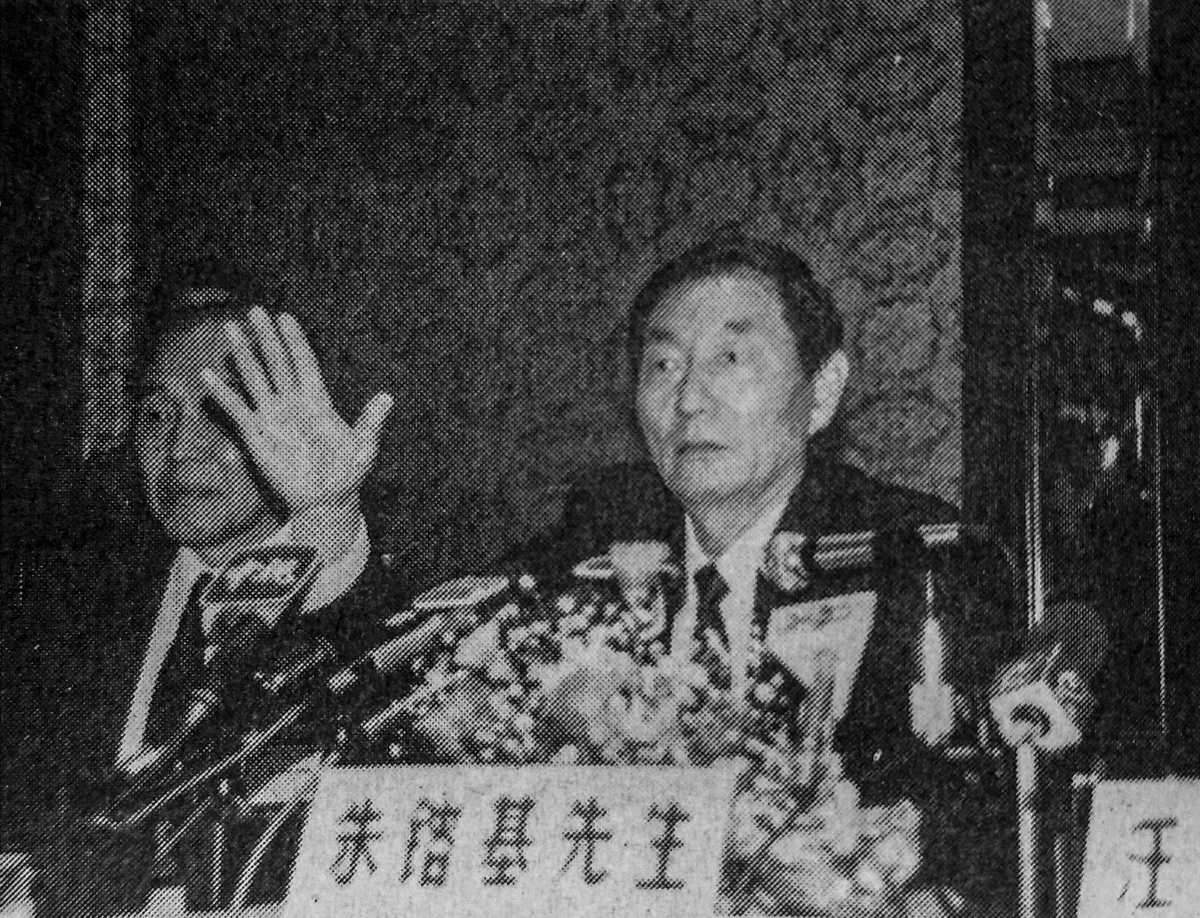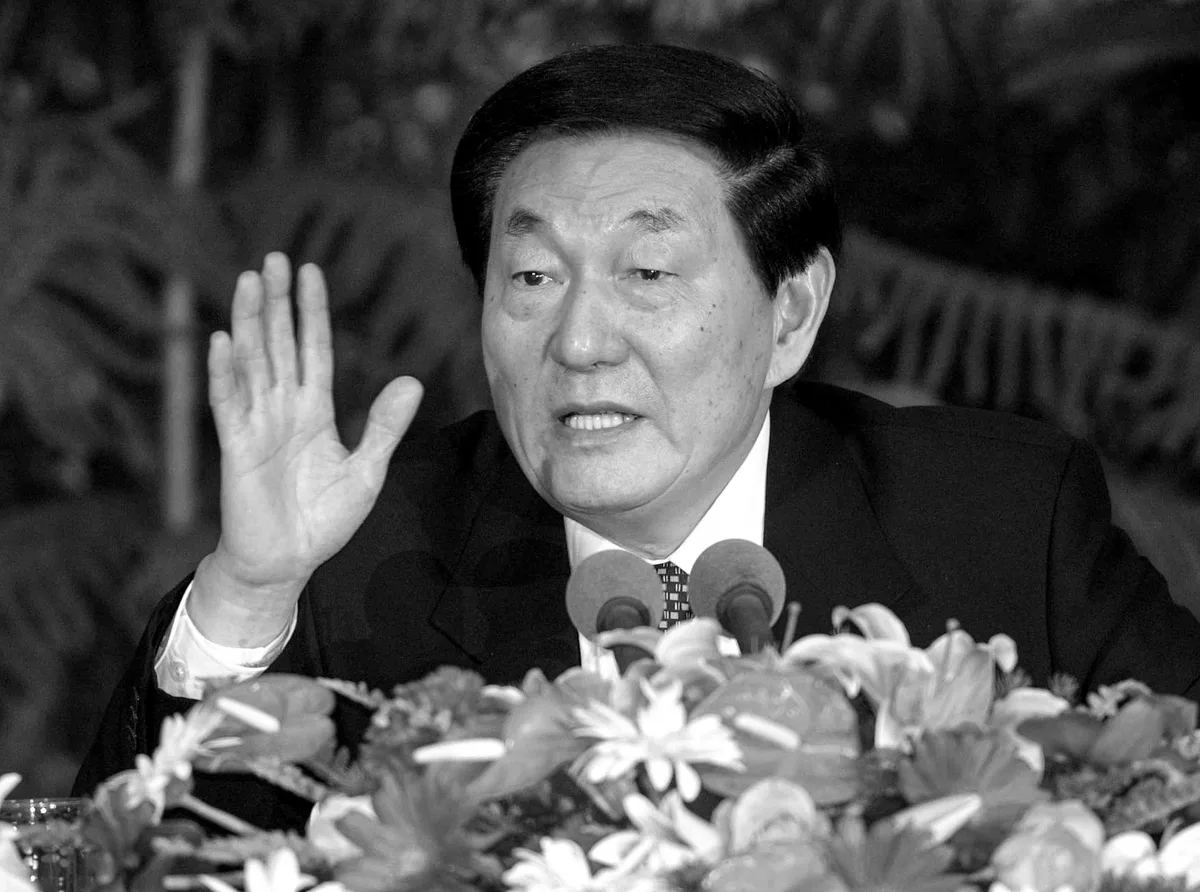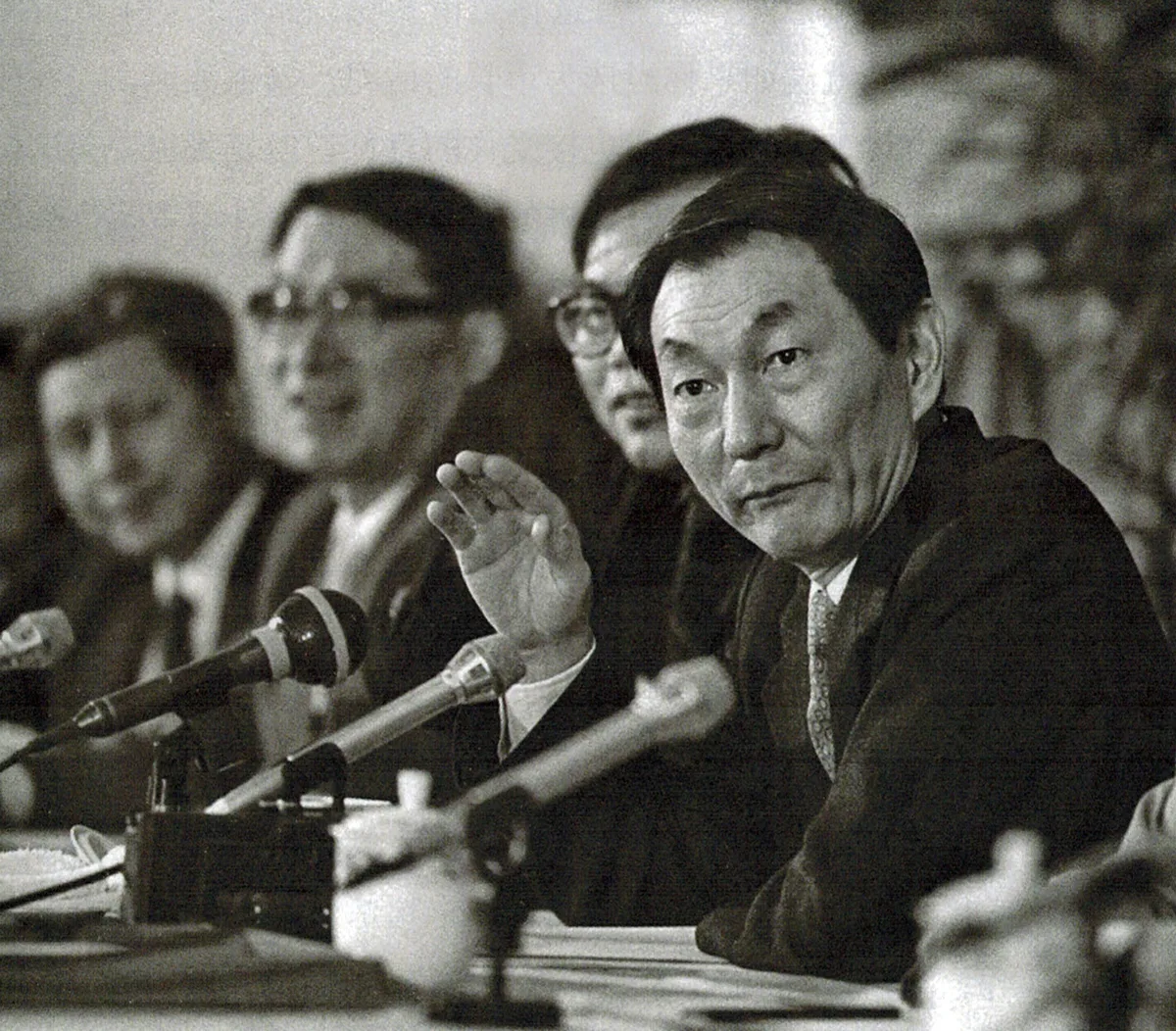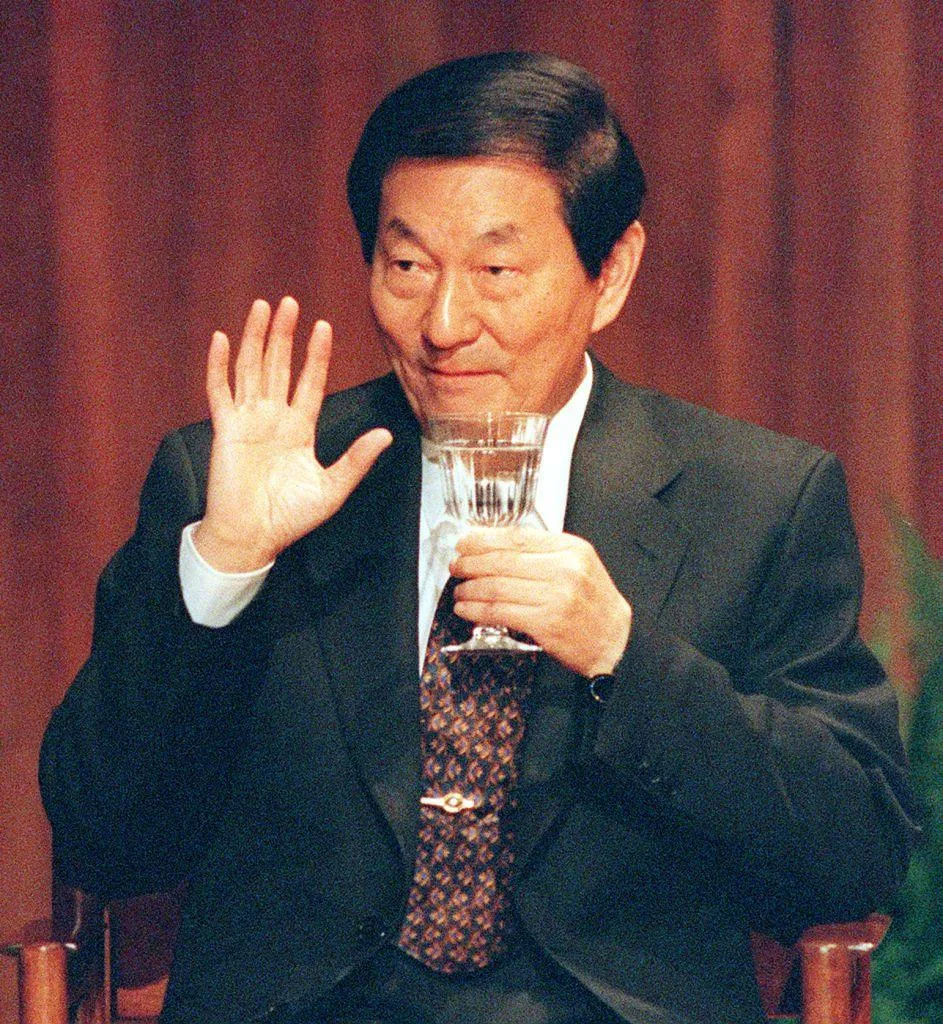
Zhu Rongji, China’s premier from 1998 to 2003, died in Beijing on August 12 at age 97 after an illness, with medical treatment failing to restore his health [1, 2, 3, 4, 5, 6]. Born in 1928 in Hunan province, Zhu graduated in electrical engineering from Tsinghua University in 1951 [1, 2, 6, 7].
Zhu was a central figure in China’s economic reforms during the 1990s and early 2000s. His premiership oversaw China’s accession to the World Trade Organization in 2001, an achievement that significantly opened China to global trade [1, 3, 8, 6]. He reorganized state-owned enterprises, centralizing fiscal policy and promoting home ownership, actions that helped trigger an export boom and propel China to become the world’s second-largest economy [1, 2, 3, 5, 6]. These reforms also elevated millions into the middle class but came with social costs, including layoffs of about 30 million workers due to SOE restructuring [1, 6].
Known for his tough, pragmatic style, Zhu was unafraid to make hard decisions. He once said, “Whether it is a minefield or an abyss that lies ahead, I will go forth without hesitation and serve with all my energy until my dying breath” [3]. Despite his successes, Zhu faced criticism domestically for his pro-globalization policies, with some viewing them as a betrayal [3, 8, 9].
Before leading the nation as premier, Zhu served as Vice-Premier—sources vary whether he started the role in 1991 or 1993—and was mayor and party chief of Shanghai during 1988-1989 [2, 3, 9, 7]. He survived political purges during Mao’s era and rose through party ranks after Mao’s death [1, 7].
Zhu also played a special role in China’s relations with Singapore. He was the first Chinese leader to deliver the Singapore Lecture in 1999 and encouraged Singapore-Shanghai exchanges. Singapore’s Prime Minister Lawrence Wong described Zhu as "an old friend of Singapore who played an important role in Singapore-China relations" and sent condolences to Chinese Premier Li Qiang on August 13 [10, 11]. In 2002, Zhu bolstered Hong Kong’s confidence amid economic difficulties by pledging to buy long-term bonds, stating, “Even if you spend all your fiscal reserves three years from now, what is there to fear? If you issue 50-year long-term Hong Kong bonds on the mainland, I will be the first in line to buy them” [12].
Zhu’s passing marks the end of a significant chapter in China’s reform era. He died following an illness after medical treatment failed to improve his condition [5].