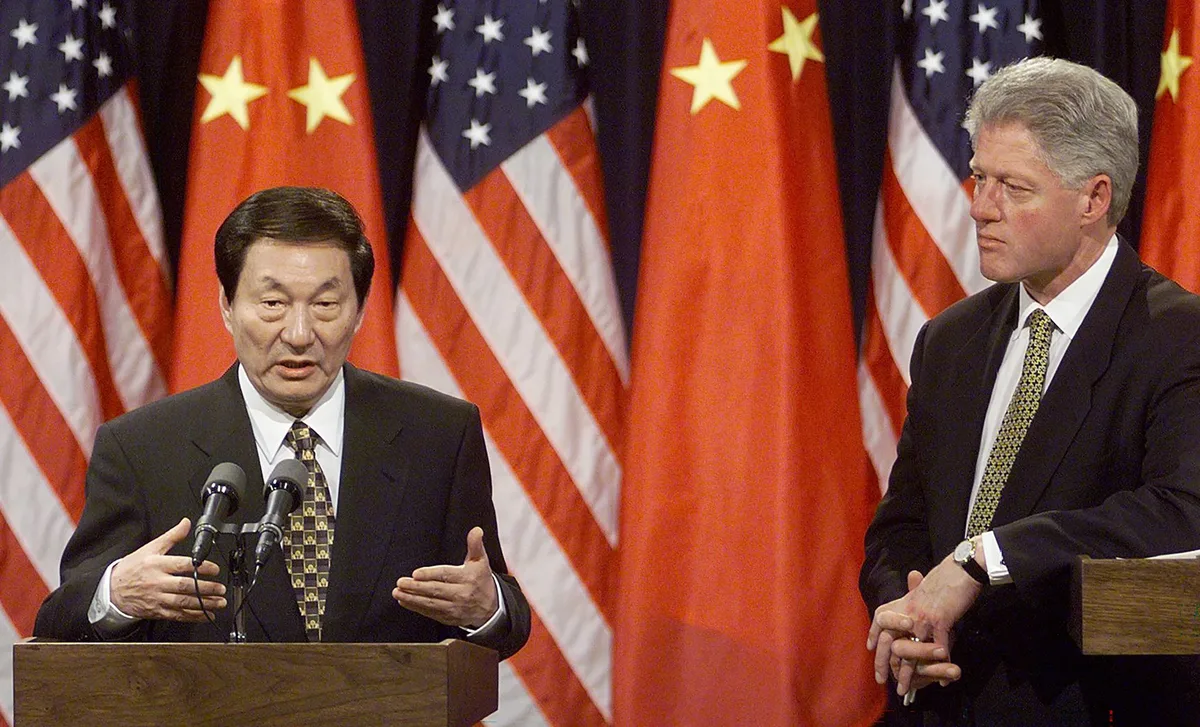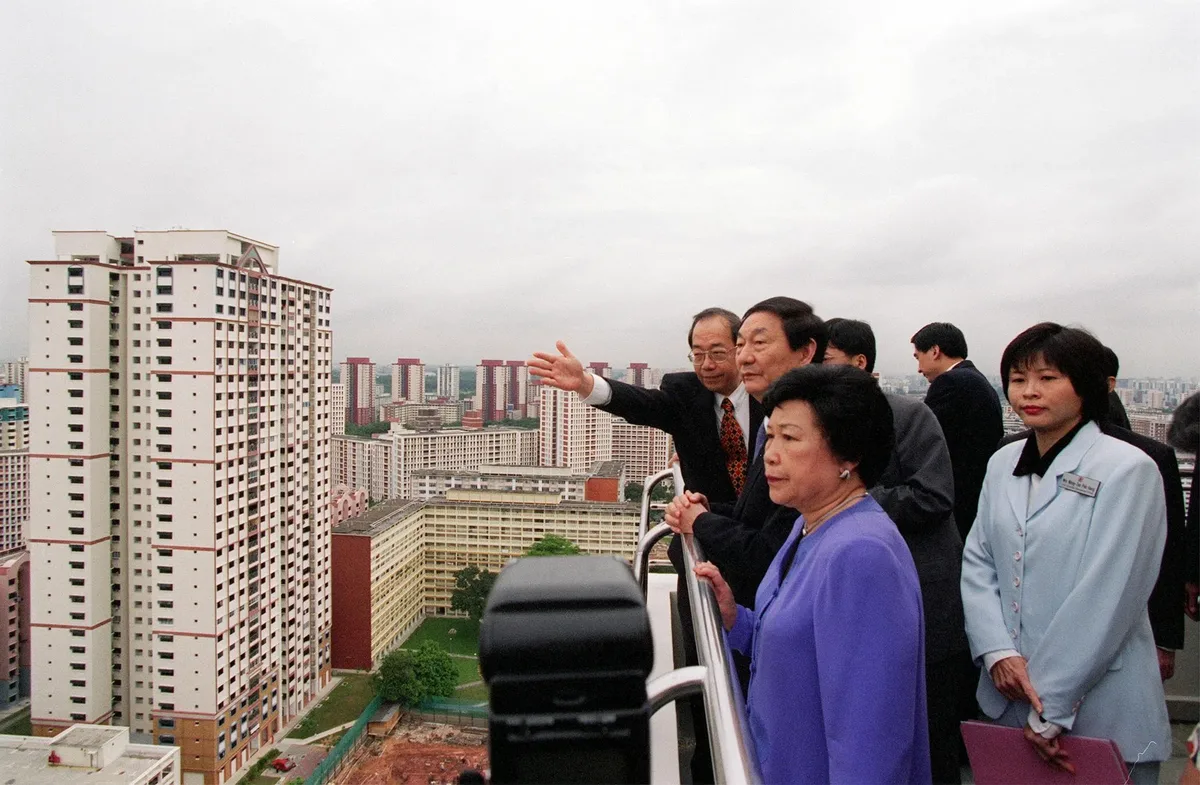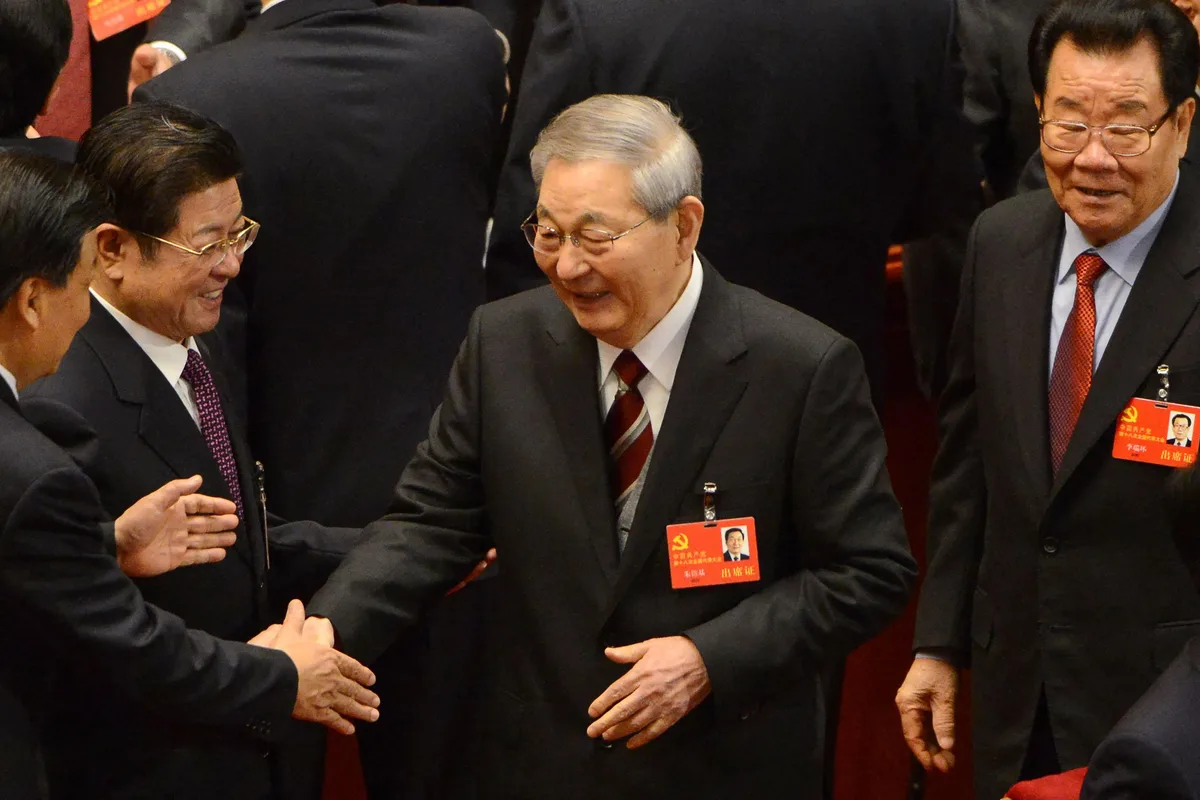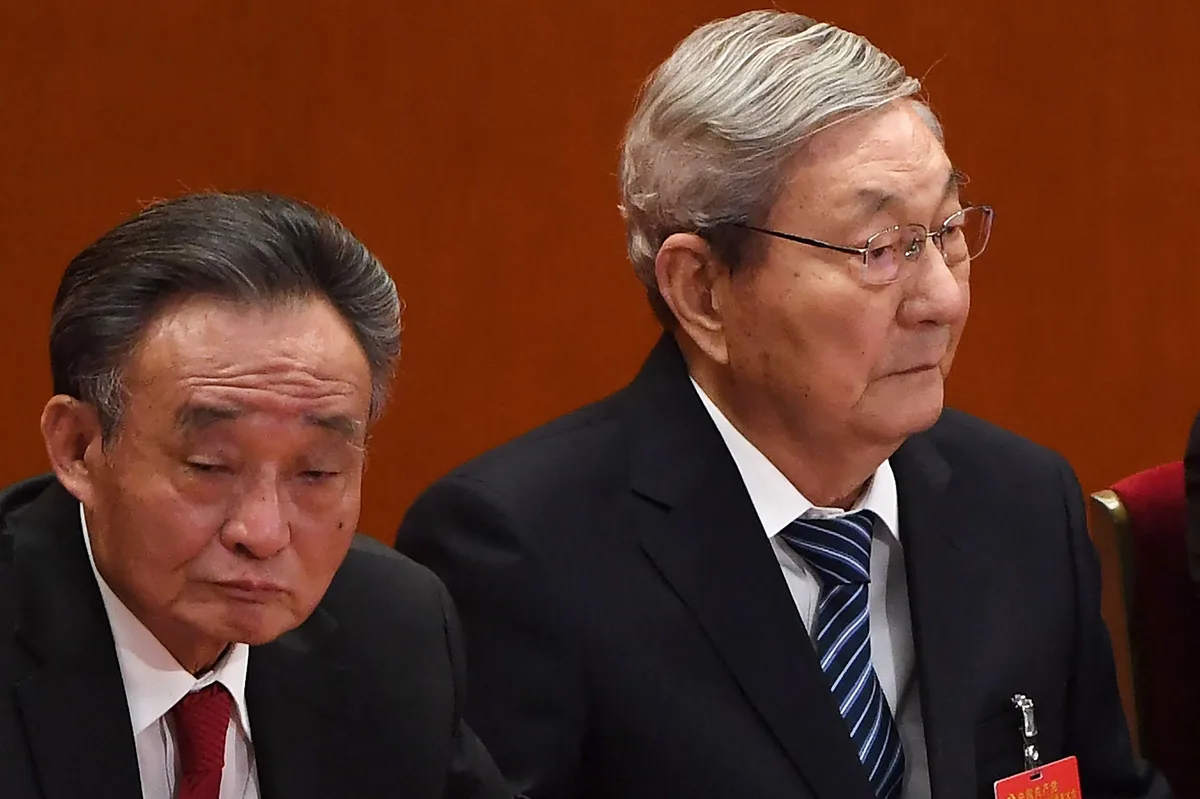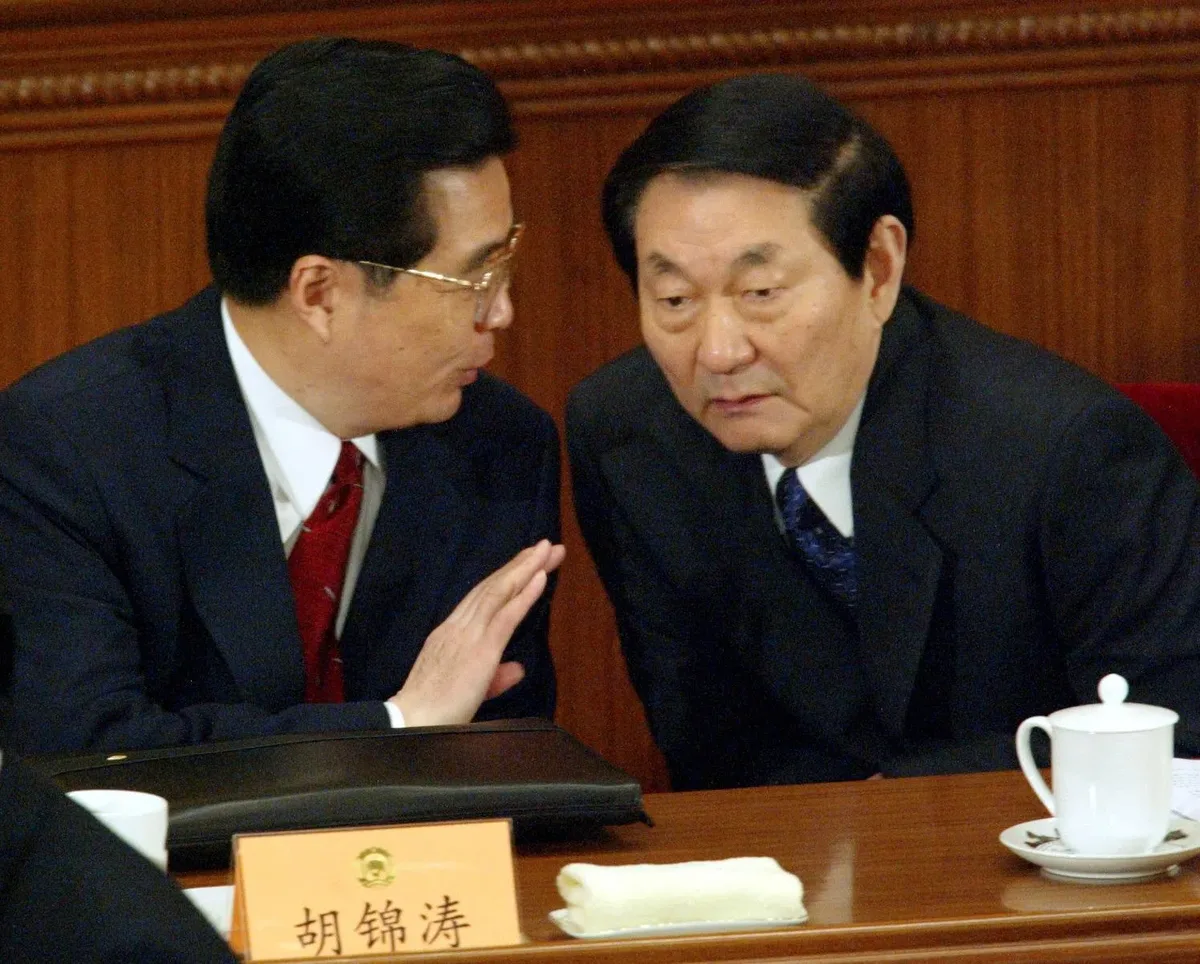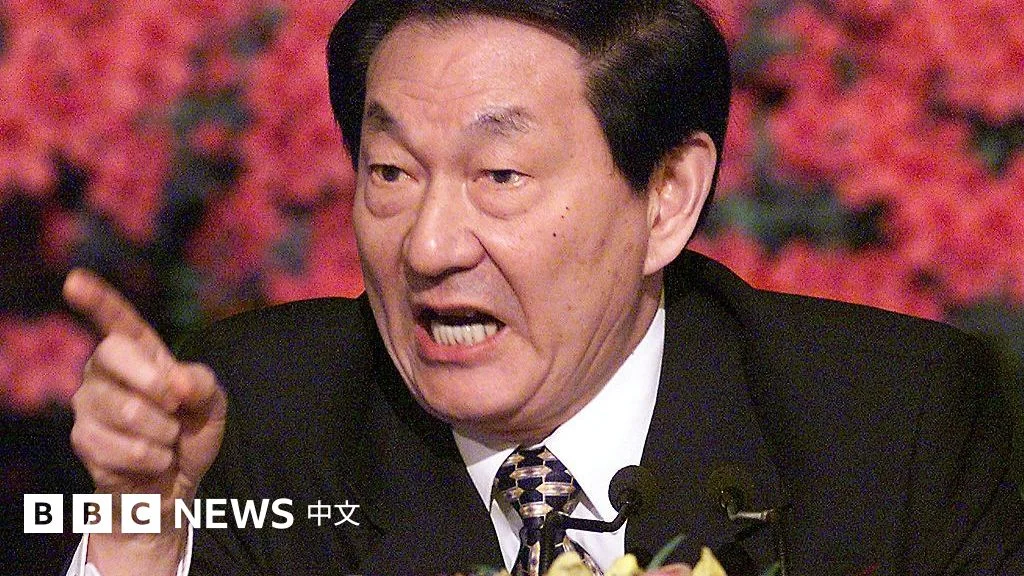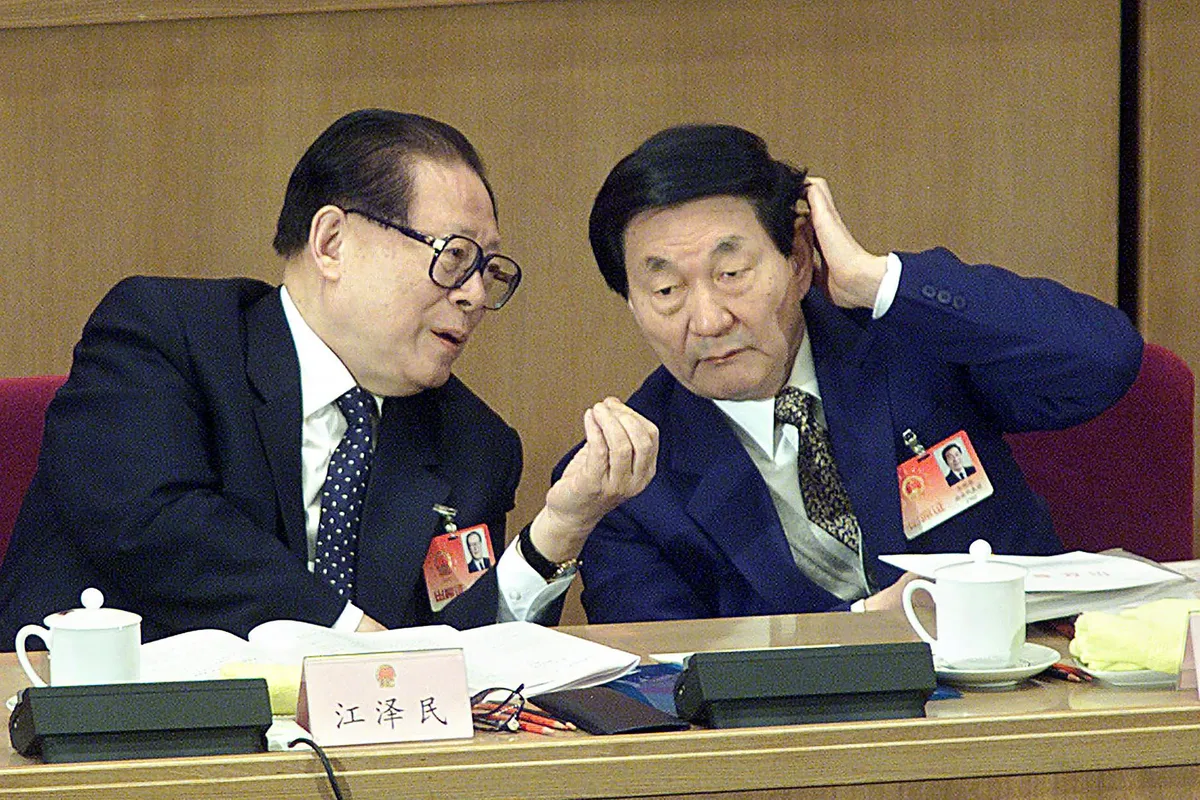
Zhu Rongji, China’s former premier who led major economic reforms in the 1990s and early 2000s, died August 12, 2026, at 11:06 a.m. in Beijing. He was either 97 or 98 years old at the time of his death, according to conflicting reports [1, 2, 3].
Zhu gained a reputation as an "economic czar" during his time as vice premier and premier, pushing sweeping reforms including restructuring state-owned enterprises, tax system overhaul, financial reform, and real estate market liberalization. He also led China’s successful accession to the World Trade Organization. His reforms drew both praise and criticism, especially after causing widespread layoffs in state-owned firms [1, 4, 2, 3, 5].
Before rising to national leadership, Zhu was Shanghai’s mayor during the 1989 Tiananmen Square protests and opposed military intervention there. He advocated avoiding escalation by refusing army or police deployment in Shanghai [1].
Zhu’s early political career was turbulent. He joined the Communist Party in 1949 but was purged during the Anti-Rightist movement in the 1950s and labeled a "rightist." He was expelled and sent to forced rural labor during the Cultural Revolution for five years before being rehabilitated in 1978 [1, 6].
His political style was known for iron-willed directness and reformist drive. Zhu expanded premier press conferences and famously said in fighting corruption, "I have prepared 100 coffins, 99 are for corrupt officials and one for myself" [6, 7]. Another quote underlines his commitment: "No matter if ahead lies a minefield or a bottomless abyss, I will go forward without hesitation, dedicating myself to the end" [7].
Zhu also gained international attention when ahead of Taiwan’s 2000 presidential election, he warned that "whoever promotes Taiwan independence will have a bad ending." This statement, made three days before voting, was seen as a strong deterrent but may have contributed to the unexpected victory of Chen Shui-bian, Taiwan’s first peaceful party turnover with 39.3% voter support and 82.69% turnout [8, 9].
Hong Kong’s Chief Executive John Lee mourned Zhu as a supporter of Hong Kong's stability and integration with the mainland. Lee recalled Zhu’s commitment to "one country, two systems" and Hong Kong’s long-term prosperity during his many visits [10]. Japanese Prime Minister Suga Sanna also expressed respect for Zhu’s contributions to Sino-Japanese relations [11].
Zhu’s political timeline includes his purge in 1958, forced labor from 1970 to 1975, rehabilitation in 1978, Shanghai leadership from 1987 to 1991, and premiership from 1998 to 2003 [1, 6, 3]. He managed China’s response to the 1997-1998 Asian Financial Crisis and oversaw reforms that transformed China’s economy.
As of today, August 16, 2026, official funeral arrangements and memorial events have not been disclosed.