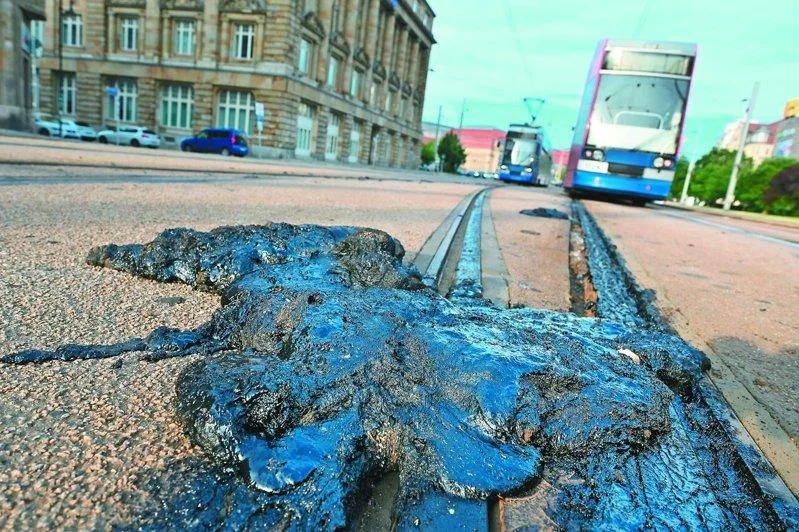
Since June 21, France has endured a severe heatwave resulting in about 1,300 deaths, straining public services and infrastructure across the country [1, 2, 3, 4]. The intense heat also forced school closures and disrupted businesses throughout Europe, with Switzerland’s oldest nuclear plant shutting down reactors due to overheating river water [1, 2, 5, 6, 3].
Paris deputy mayor Audrey Pulvar responded sharply to U.S. media mocking Paris’s low air conditioning usage, placing responsibility on the United States as the world's second-largest greenhouse gas emitter. She said, “Dear American journalists and social media ‘influencers’: it’s ridiculous to ridicule Paris for lacking AC in every room. The U.S. bears major responsibility for global warming and the consequences we face in France” [1, 2, 7, 4].
Only about 25% of French homes have air conditioning, far less than Spain and Italy’s 50%, and well below the 90% penetration seen in the U.S. and Japan [1, 2, 3]. Part of the European resistance to widespread AC use stems from concerns about energy consumption, noise pollution, and damage to historic building facades. Installing AC in cities like Paris often requires neighbor and government approval, especially to preserve architectural heritage [5, 6]. Pulvar also said Europeans “don’t want to look like America” by covering buildings with noisy, heat-exhausting units [6].
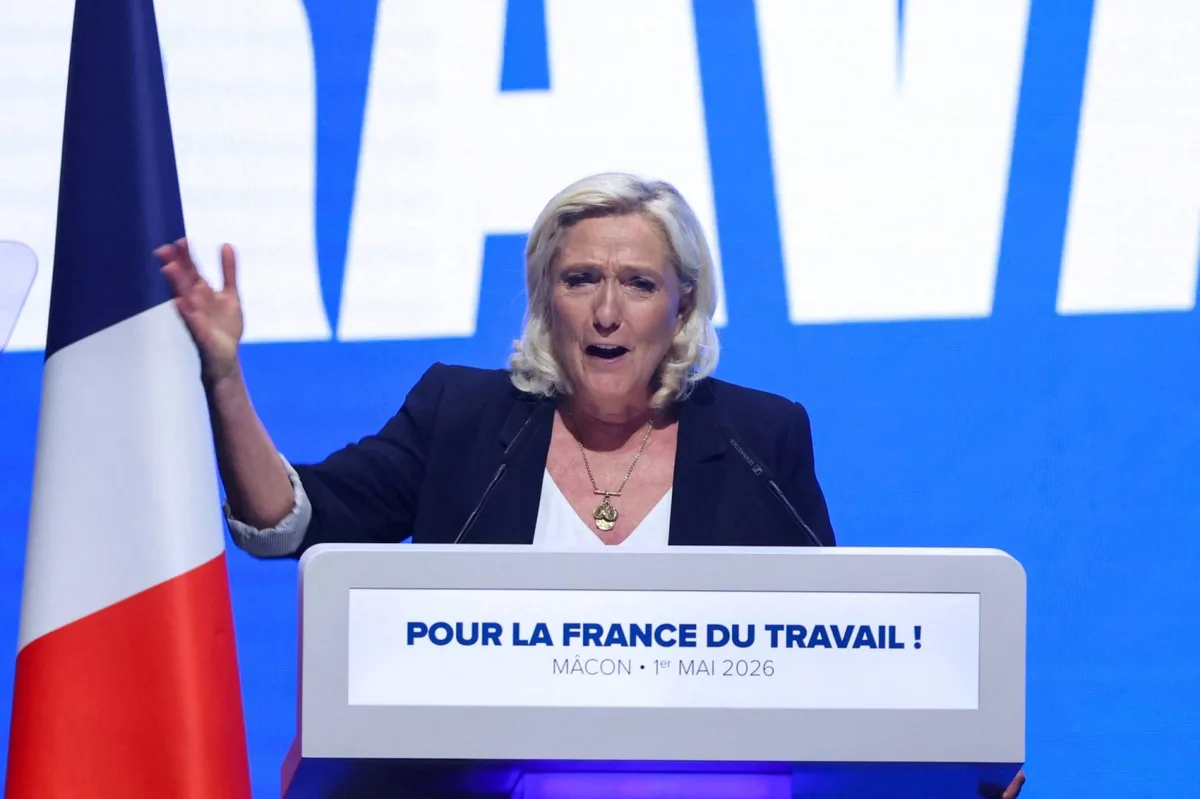
The far-right National Rally, led by Marine Le Pen, has proposed a major government-backed initiative to expand air conditioning nationwide. Le Pen promised “a national air conditioning plan including interest-free government loans worth 20 billion euros” aimed at schools, hospitals, and public transport to protect vulnerable populations [1, 2, 8, 3].
However, the far-left and environmental activists reject expanding AC infrastructure, arguing it will increase energy demand and worsen climate change. They call instead for improving insulation and passive cooling methods in buildings [1, 2, 3].
Other European cities have advised residents to limit AC use for environmental reasons. Ghent initially urged avoiding air conditioning but modified its advice to promote “smart cooling” solutions amid political pushback [1, 2, 3].
World Health Organization Director-General Tedros Adhanom Ghebreyesus warned that Europe is experiencing “an unprecedented early summer heatwave with hundreds of deaths and record-breaking temperatures stressing infrastructure” [1, 2, 3].
The political debate in France is ongoing amid rising temperatures and risk to public health. The government will face pressure to balance immediate relief from heat with longer-term climate goals as summer continues.