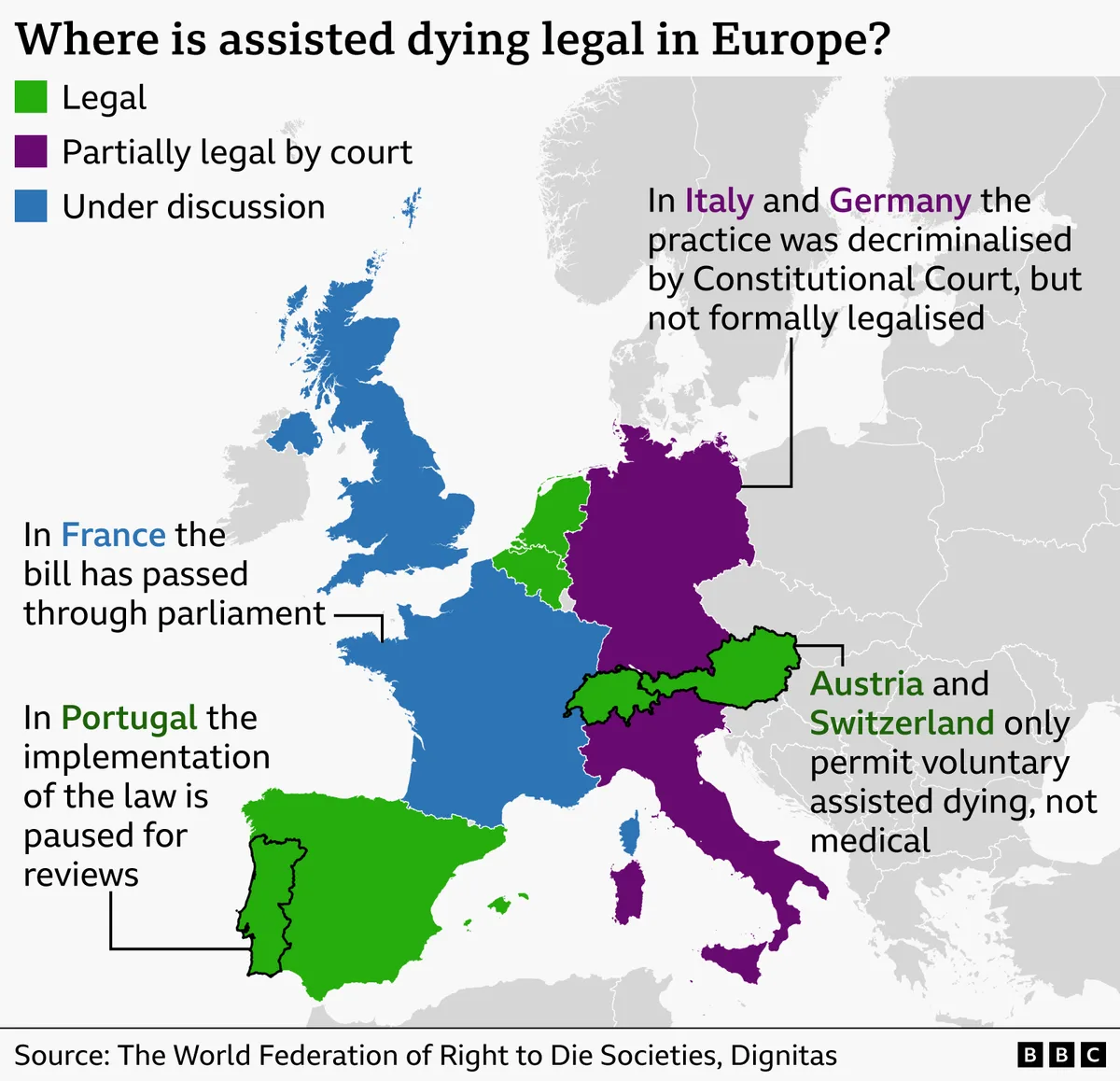
On July 15, 2026, France's National Assembly approved a law legalizing assisted dying for adults suffering from serious, incurable, and life-threatening illnesses experiencing unbearable physical or psychological pain in advanced or terminal stages [1, 2, 3, 4, 5, 6, 7]. The bill passed with 291 votes in favor and 241 against in the lower house, despite repeated rejections of similar proposals by the Senate, dominated by right-wing parties [1, 3, 4, 5, 6, 7].
The legislation allows eligible patients to either self-administer a lethal substance after a mandated reflection period or, if physically unable, receive administration from a doctor or nurse under strict conditions [1, 2, 3, 4, 5]. Eligibility is limited to French citizens or legal residents over 18 who suffer incurable disease with unbearable, treatment-resistant pain and can clearly express their intention [2, 3, 4, 5, 6, 7].
President Emmanuel Macron publicly committed to the legislation in 2022. He said, "In 2022, I made a commitment to forge this path together with the French people. With seriousness, humility and full respect for our democracy, I have honoured that commitment" [1, 4, 5, 6, 7]. Prime Minister Sébastien Lecornu announced plans to submit some provisions to the Constitutional Council, which has one month to review and could delay implementation [1, 6, 7]. Some sources expect the law to come into effect potentially by the end of 2026, while others say the Council’s review may postpone it further [1, 3, 5, 6, 7].
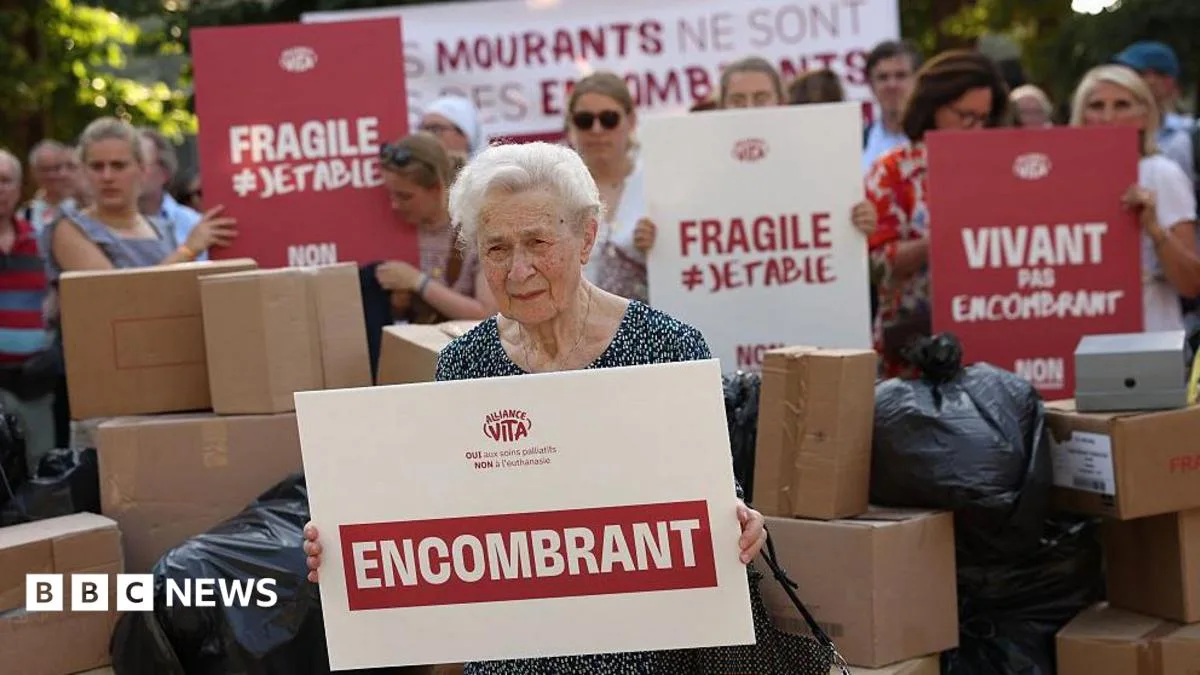
The law aligns France with countries like the Netherlands, Belgium, Switzerland, and Canada, where assisted dying is legal under various conditions [1, 2, 3, 5]. Public support in France is strong, with an 84% approval rate found in a February 2026 Ifop poll [2, 3, 7]. Despite this, opponents including the Catholic Church, some medical professionals, and parts of the right-wing political spectrum argue the law risks abuses and endangers vulnerable groups [1, 2, 3, 5, 6, 7]. Jean-Marc Aveline, French Bishops' Conference President, called the vote "a major breaking point in our country’s history" and expressed unease about its impact on vulnerable people [6]. National Assembly member Christophe Bentz stated, "Why hasten death, take life away earlier? Society has no right to give up protecting the vulnerable, who will be the first victims of this law" [6]. Bruno Retailleau, former interior minister, added, "A society grounded in fraternity supports, protects, and cares for people. It never gives up on the most fragile among us" [2].
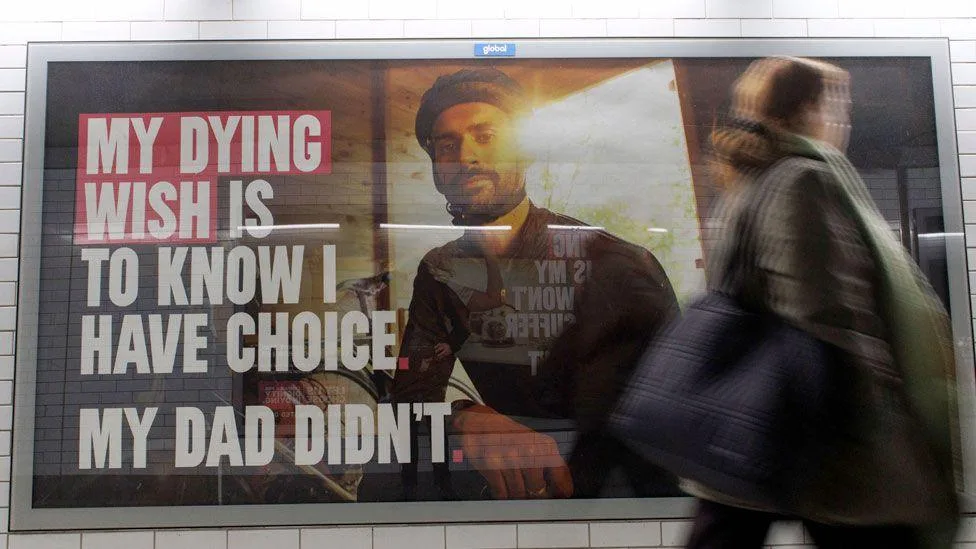
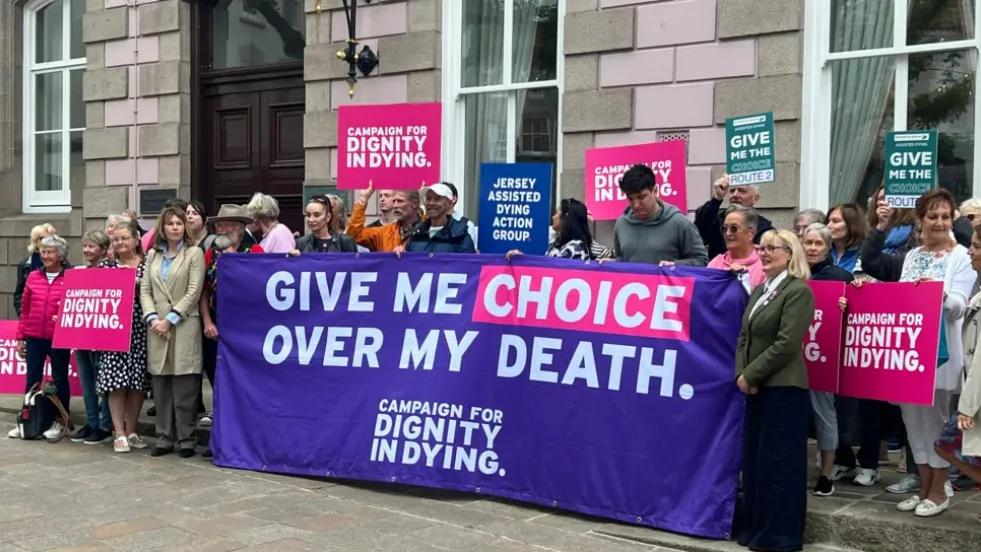
In 2025, at least 158 French residents traveled abroad to Belgium and Switzerland for euthanasia or assisted suicide, with 110 in Belgium and 48 in Switzerland, illustrating the demand for such options [6, 7]. Anne Raynaud, with the French association for the right to die in dignity, said, "People will be able to decide for themselves when and how they want to die once their suffering has become unbearable and can no longer be relieved" [5].
Following the Assembly vote and planned Constitutional Council review, a final decision on the law's enactment is expected within the next month.