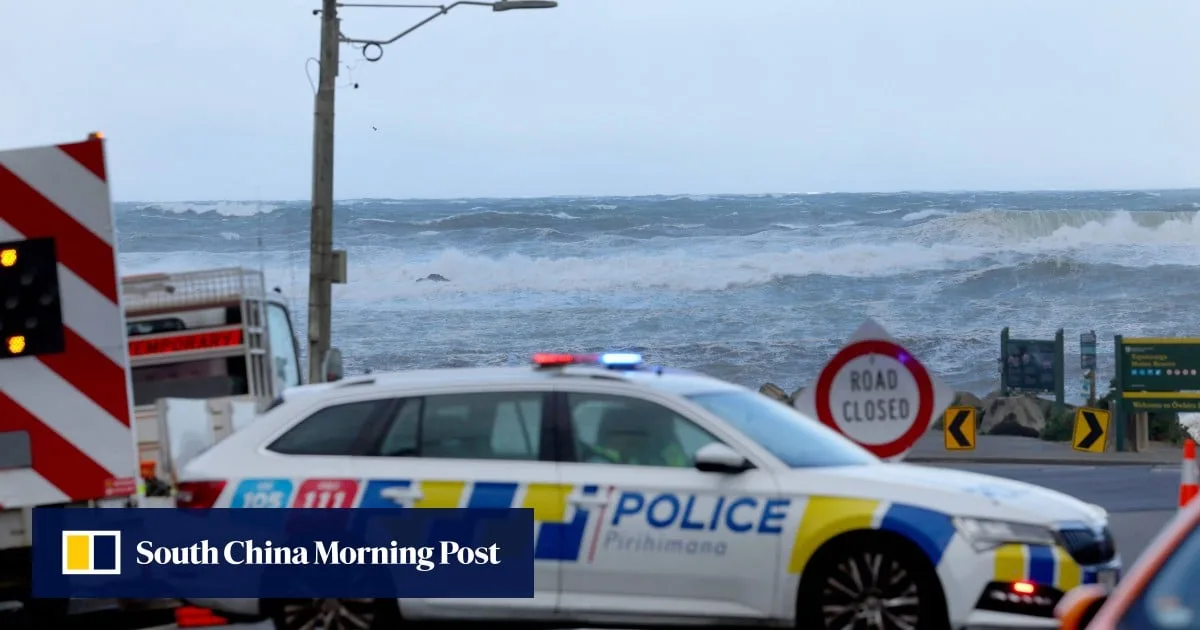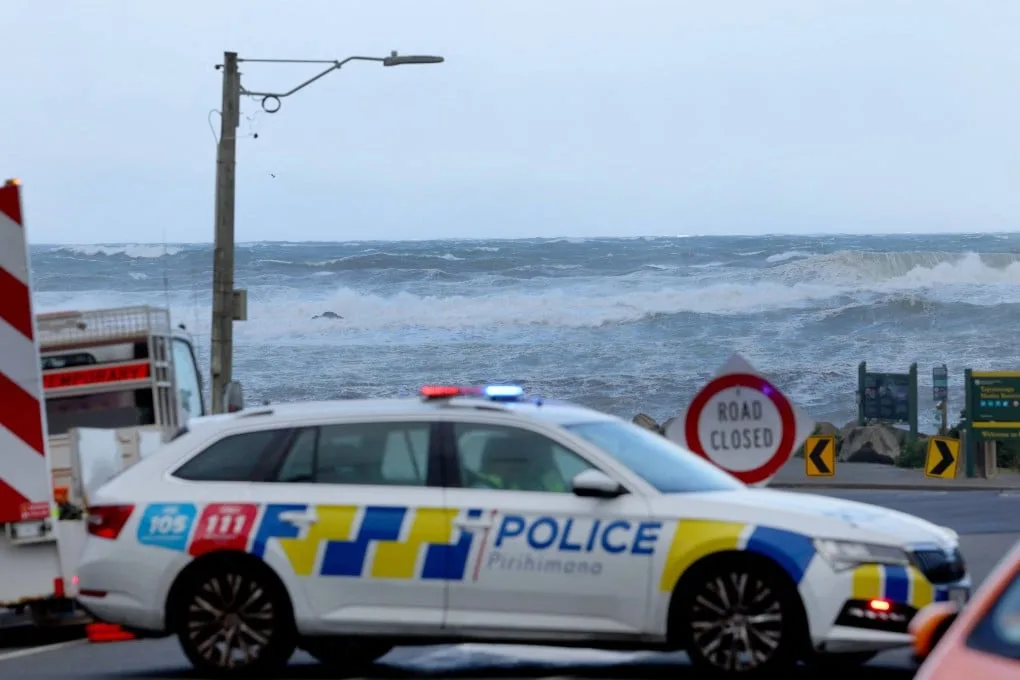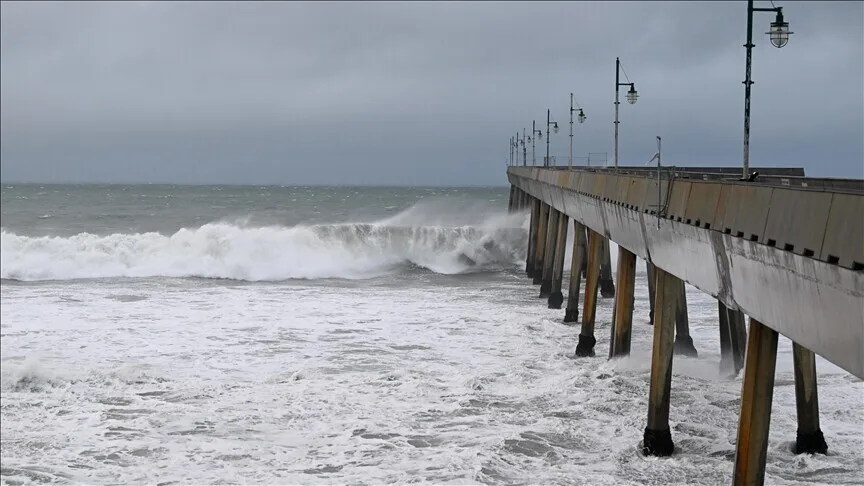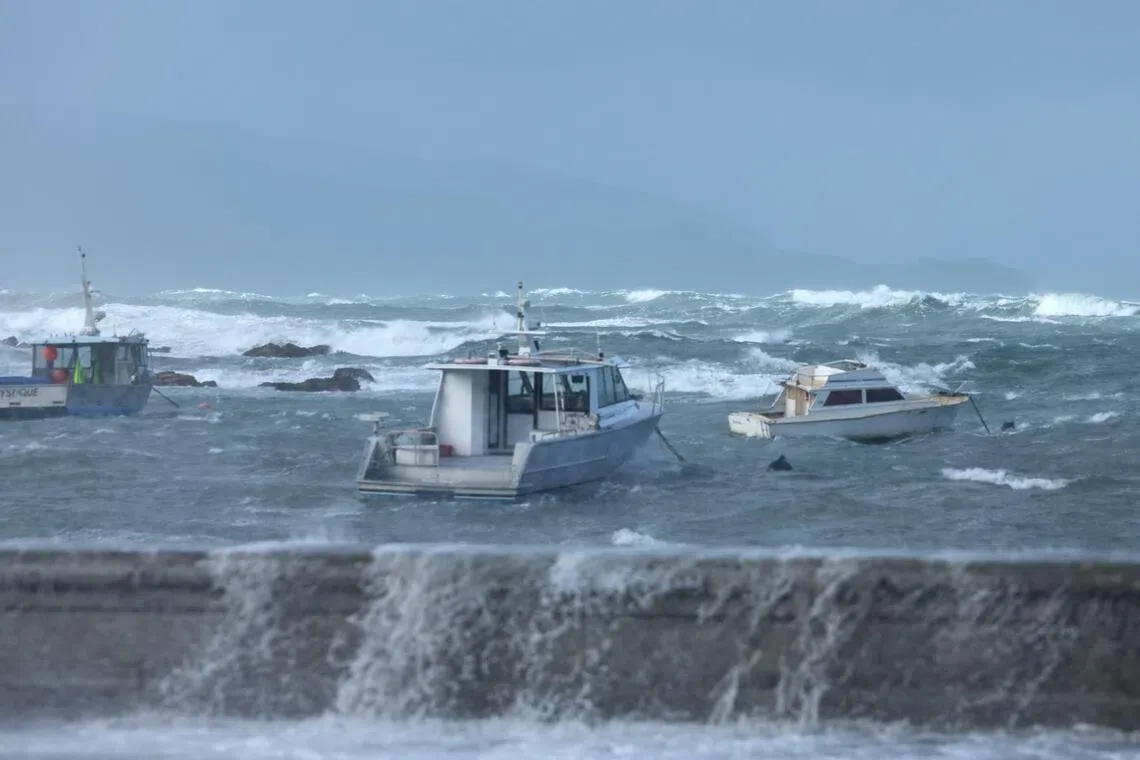
Gale-force winds and waves battered Wellington, New Zealand, on June 9, leading to the cancellation of around eight flights at Wellington Airport and ferry services between the North and South Islands [1, 2, 3]. Authorities declared a state of emergency for parts of Wellington and ordered mandatory evacuations for waterfront communities including Owhiro Bay, Island Bay, Houghton Bay, Breaker Bay, and Moa Point as waves surged up to 9 meters along the south coast [1, 3].
Winds gusted over 100 kilometers per hour along Wellington’s south coast, with speeds reaching 137 km/h on the nearby Wairarapa coast, making conditions hazardous [3]. Offshore waves reportedly reached 11 meters, according to local media and Wellington mayor Andrew Little, although near-shore impact was less severe [3]. The weather bureau’s forecast warned of up to 9-meter waves on the south coast [1, 2].
A light aircraft was tipped onto its wing and wheel by strong winds after landing at Wellington Airport, but no injuries were reported and the plane was quickly righted [1, 2, 3]. The Wellington City Council urged residents in evacuation zones who had not left to shelter in place, stating, "We are now entering the forecast period for most significant swell impacts" [1]. Island Bay resident and fishing charter owner Jonathan Delich said, "We wouldn’t take you fishing even if you wanted to... no one in their right mind would go out on the water today" [1].
The state of emergency was lifted later in the day after officials reassessed the risks, allowing hundreds of evacuated residents to return home, though authorities warned about hazards from debris and slick conditions [3]. Wellington Mayor Andrew Little said no major damage was reported and the emergency was declared early out of safety concerns [3].
Ferry cancellations and around eight flight cancellations remained in effect for June 9 as officials continued monitoring conditions [1, 2, 3].