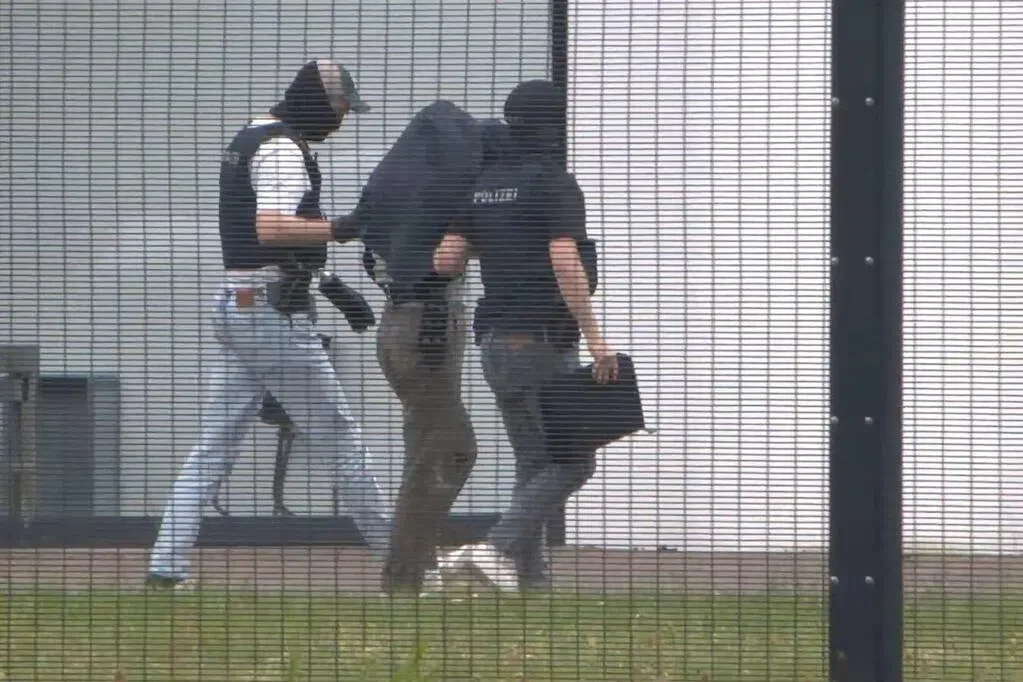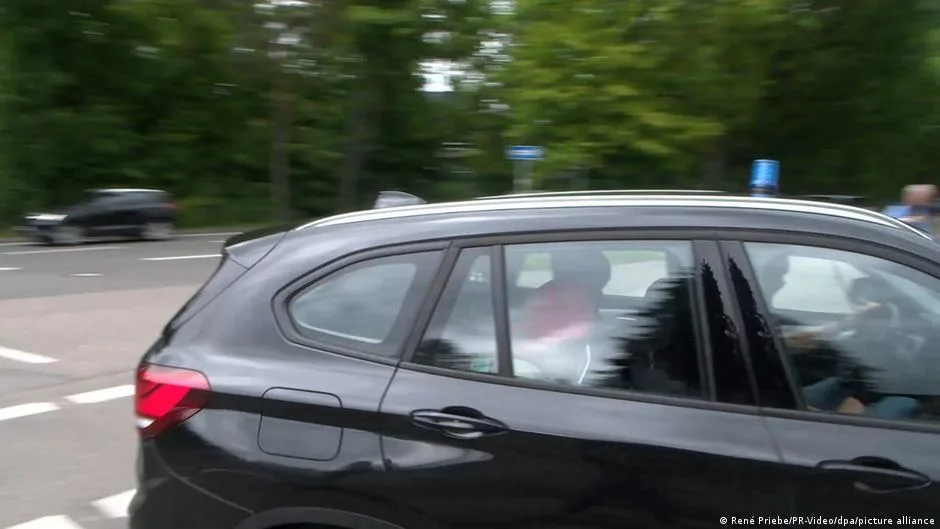
German authorities arrested a German couple identified as Xuejun C. and Hua S. on May 20, 2026, in Munich on suspicion of spying for Chinese intelligence agencies, police said [1, 2, 3]. The couple allegedly posed as translators or automotive company employees to contact scientists and professors in German universities and research institutes [1, 2, 3]. Their targets included experts in aerospace engineering, computer science, and artificial intelligence [1, 2, 3]. Some German scientists were invited under the pretext of giving paid lectures for civilian audiences in China, but the real audience was representatives from state-owned Chinese defense firms, investigators said [1, 2, 3].
The German Federal Prosecutor's Office stated, "The couple are accused of spying for Chinese intelligence agencies to obtain advanced scientific intelligence related to technologies with potential military applications" [2]. Authorities are investigating about 10 other potential witnesses across six German federal states: Baden-Württemberg, Bavaria, Berlin, Brandenburg, Lower Saxony, and North Rhine-Westphalia [1, 2, 3].
The male suspect is reportedly a 55-year-old chairman of a Munich-based Sino-German cultural and technology exchange association and has ties to a Chinese university linked to China's defense research and industry [1]. Both suspects are naturalized German citizens of Chinese ethnic background [4, 5].
The couple were detained pending a hearing before the Federal Court of Justice set for the same day to decide on pretrial custody [2, 6]. The arrests come amid growing German government concerns over technology transfer risks in economic ties with China and efforts to reduce those risks [2, 7]. China denies accusations that its nationals engage in espionage in Germany [2, 7].
German Green Party MP Konstantin von Notz said, "Western countries have seriously underestimated China's aggressiveness towards Europe and Germany; democratic nations must increase vigilance against this growing security threat" [8]. In February 2026, German Chancellor Merz visited China amid mounting worries over technology transfer [2, 7].