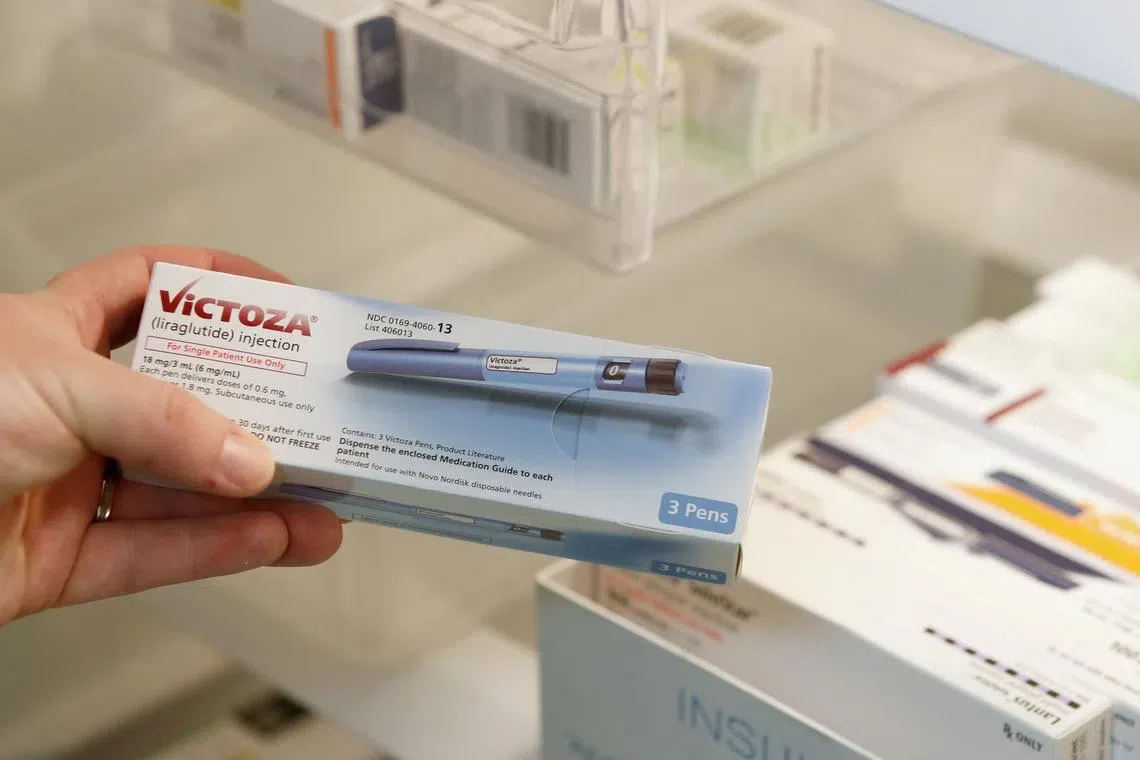
GLP-1 drugs have shown potential to protect against multiple cancer types by reducing the risk of cancer development, metastasis, and improving survival and treatment response, according to studies presented at the American Society of Clinical Oncology meeting on June 3, 2026 [1, 2]. A US study tracking 110,000 women from 2022 to mid-2025 found up to 35% lower breast cancer incidence among GLP-1 drug users compared to non-users [3]. Other research reported a 38% to 50% lower risk of cancer metastasis in lung, breast, colorectal, and liver cancers with GLP-1 drugs versus other diabetes medicines [1, 2]. Dr. Elizabeth Susan McDonald of the University of Pennsylvania said, "Chronic inflammation is a fundamental biological pathway involved in the development and progression of many cancers," suggesting one way GLP-1 drugs may act [1]. These drugs include semaglutide (Wegovy, Ozempic), tirzepatide (Mounjaro, Zepbound), dulaglutide (Trulicity), and liraglutide (Saxenda, Victoza) [1, 2]. They help reduce inflammation, regulate insulin signaling, and may directly affect tumor biology, though this requires further study [1, 3].
Primarily approved for type 2 diabetes and obesity-related conditions, GLP-1 drugs are expensive and require medical evaluation for weight loss use in many regions, including Taiwan. There, only adults with BMI≥30 or BMI≥27 with hypertension or diabetes qualify for treatment [4, 5]. Family medicine physician 夏遠萍 explained in Mandarin, "These drugs act on the brain's central appetite centers, releasing satiety signals that make people feel full sooner and delay gastric emptying, extending fullness to help control weight" [5]. Gastroenterologist 張振榕 stressed the drugs are not suitable for everyone and must be combined with lifestyle changes like diet and exercise to avoid weight regain after stopping [4].
Side effects can include nausea, vomiting, diarrhea, constipation, and notably a roughly 50% increased risk of gallstones and a doubling of gastroesophageal reflux risk [5, 6]. Serious issues like pancreatitis and intestinal obstruction have not shown significant increase in studies of over 100,000 patients [5, 6]. Rapid weight loss linked to GLP-1 usage may accelerate muscle loss and raise sarcopenia risk, requiring attention to preserve muscle mass [7]. Dr. 陳柏安 warned improper use in underweight or eating disorder patients may worsen conditions through muscle wasting and malnutrition [8].
GLP-1 drugs are contraindicated or require caution in patients with personal or family history of thyroid tumors, during pregnancy or breastfeeding, and with severe gastrointestinal diseases like pancreatitis [4]. Use should always be supervised by a medical professional to avoid safety risks, and unsupervised self-administration is discouraged [4, 5, 6]. Insurance claims for adverse effects may be denied if use is deemed cosmetic rather than medically necessary based on BMI and comorbidities [9].
Stopping GLP-1 drugs without a proper diet and exercise routine often results in rapid weight regain [4, 10]. Maintaining weight post-treatment requires a balanced diet with sufficient protein, regular exercise, and stable lifestyle habits [10].
The ongoing presentation of new data at oncology forums underlines continued research interest. Patients prescribed GLP-1 drugs should maintain regular medical follow-up to manage side effects and optimize long-term health outcomes.