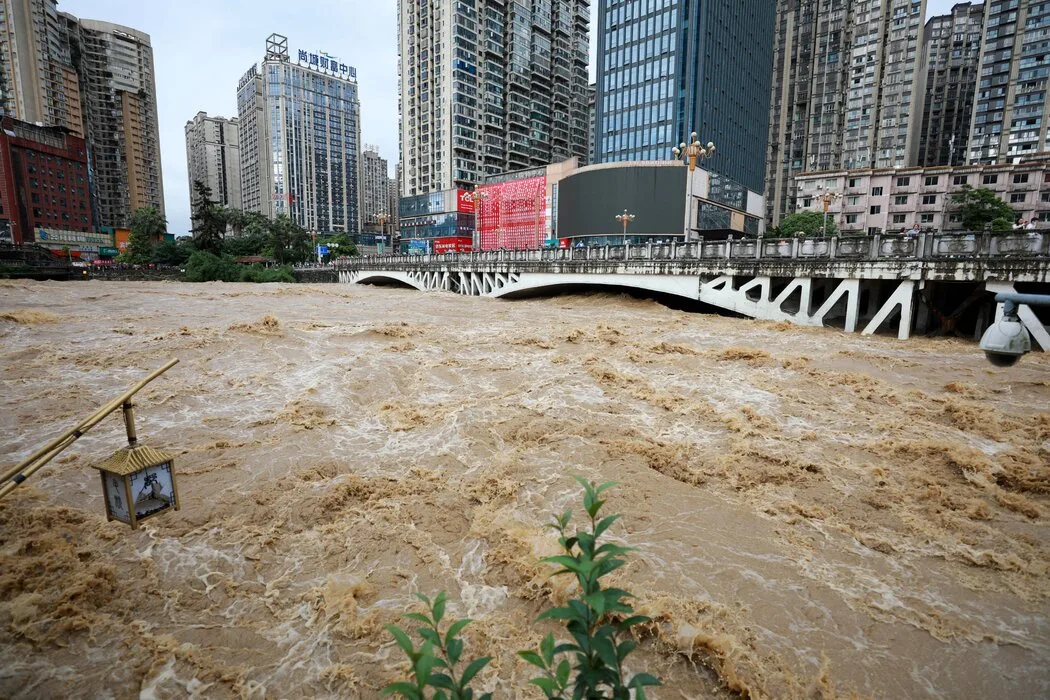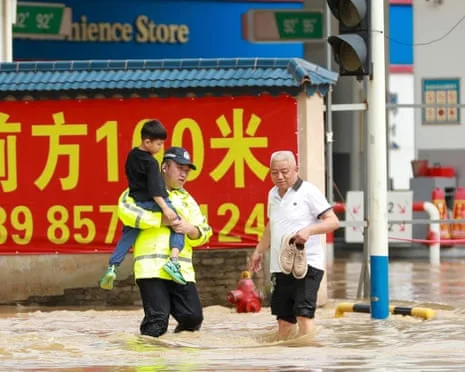
Southern and central China have been struck by severe rainstorms and flash floods since May 15, causing at least 22 deaths and 20 people missing, with widespread destruction across multiple provinces [1, 2, 3, 4]. The most affected regions include Hunan, Guangxi, Guizhou, and Hubei [1, 5, 2, 3, 4].
Hunan province reported 5 deaths and 11 missing, with over 31,000 evacuated amid widespread flooding [1, 5, 2, 3, 4]. The province deployed 146 firefighters, 40 fire trucks, three boats, and two helicopters in rescue operations by May 21 [5]. Guangxi suffered a fatal truck accident when a vehicle fell into a swollen river, causing 10 deaths [1, 2, 3, 4]. Guizhou reported 4 deaths and 5 missing due to landslides and floods triggered by heavy rains [1, 2, 3, 6, 4, 7, 8]. Hubei confirmed 3 deaths and 4 missing attributed to flooding [1, 2, 3, 4].
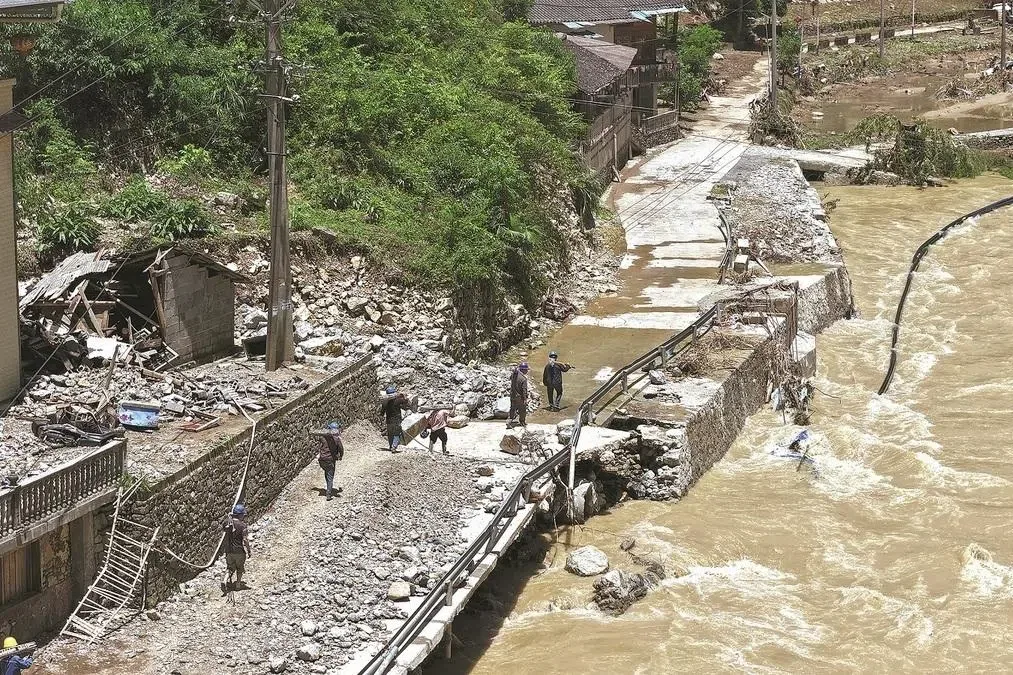
In total, more than 24,000 people have been evacuated from the affected provinces, and over 100,000 residents are estimated to be impacted by the storms [2, 3, 4, 8]. Infrastructure damage is widespread, including roads, bridges, telecommunications, farms, and rural buildings, complicating relief delivery efforts [1, 2, 6, 7, 8]. One local mayor in Hunan noted many destroyed roads were the only external connection to villages, forcing residents to rely on footpaths that impede transportation of supplies [8].
The central government allocated roughly 150 million RMB for disaster relief across Hubei, Hunan, Guangxi, Chongqing, and Guizhou provinces, with an additional 30 million RMB specifically for Guizhou [2, 3, 6, 4]. Flood warnings remain active, as more rainfall—up to 200mm—is expected in southern China including Hong Kong [1].
The rainstorms began around May 15-17, hitting Hunan first, then spreading south and west from May 18-20 to provinces including Guizhou and Guangxi [1, 5, 7, 8]. By May 20, the government reported 22 confirmed deaths and 20 missing, while rescue operations continued on May 21 with firefighters, boats, and helicopters engaged in relief efforts [1, 5, 2, 3, 4].
Scientists link these intense rain events to global warming driven by fossil fuel emissions, noting China’s role as both the largest greenhouse gas emitter and a leader in renewable energy development aiming for carbon neutrality by 2060 [2, 3, 6, 4].
In Guangxi’s Fangchenggang, the rain reached 825mm, while seven provinces averaged 300mm over five days [1]. In Guangdong, over 16,000 people were evacuated and classes suspended by May 21 [5]. Hunan’s Shimen County alone has over 61,000 affected people [2, 3, 6].
Authorities continue rescue and relief operations amid ongoing flood warnings, focusing on evacuated populations and restoring critical infrastructure.