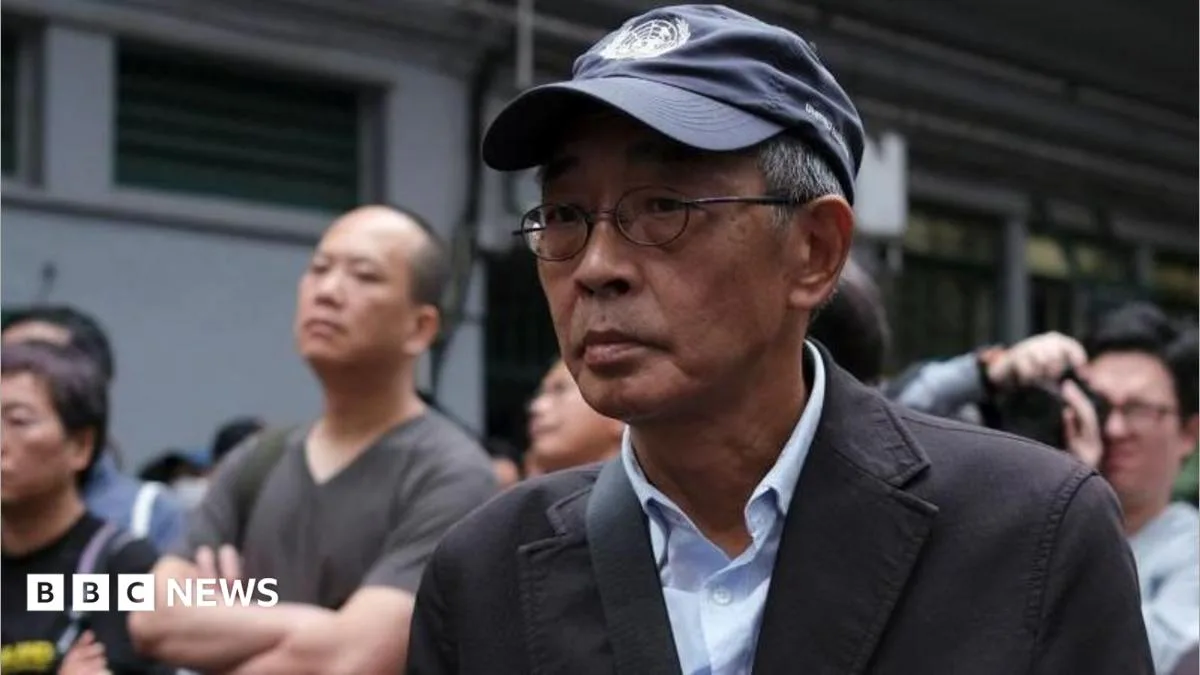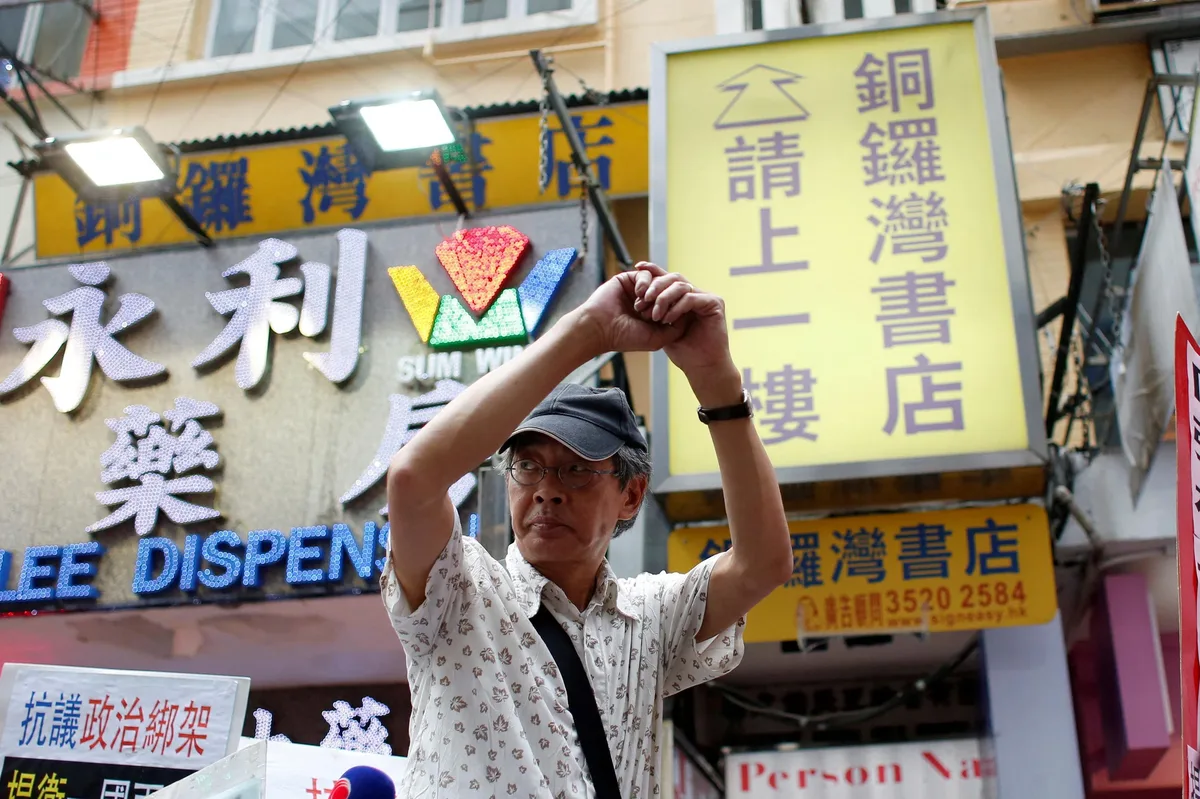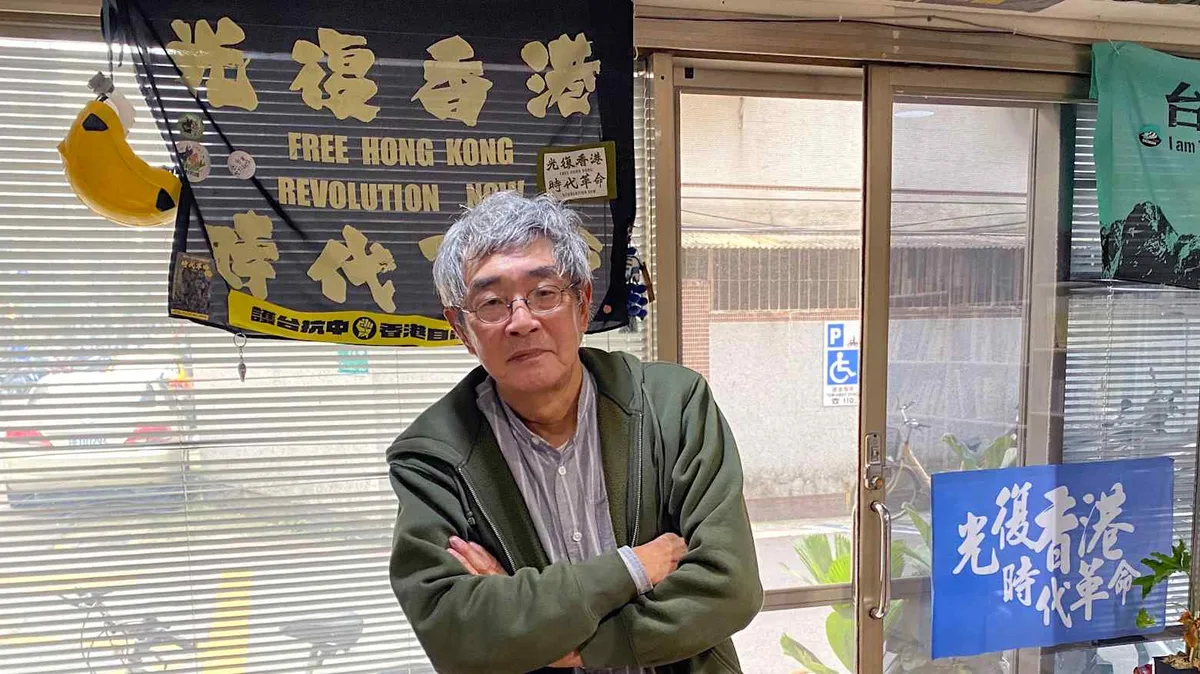
Lam Wing-kee, a Hong Kong bookseller who was detained by Chinese authorities in 2015 for selling books critical of China’s political elite, died on July 2, 2026, in Taipei at age 70 after a battle with lung cancer [1, 2, 3].
Lam was held for more than 400 days after being abducted, blindfolded, and kept in solitary confinement where he was interrogated and forced to make televised confessions [1, 3]. His detention sparked international controversy and undermined trust in China's promises to protect Hong Kong's freedoms [1, 2, 3].
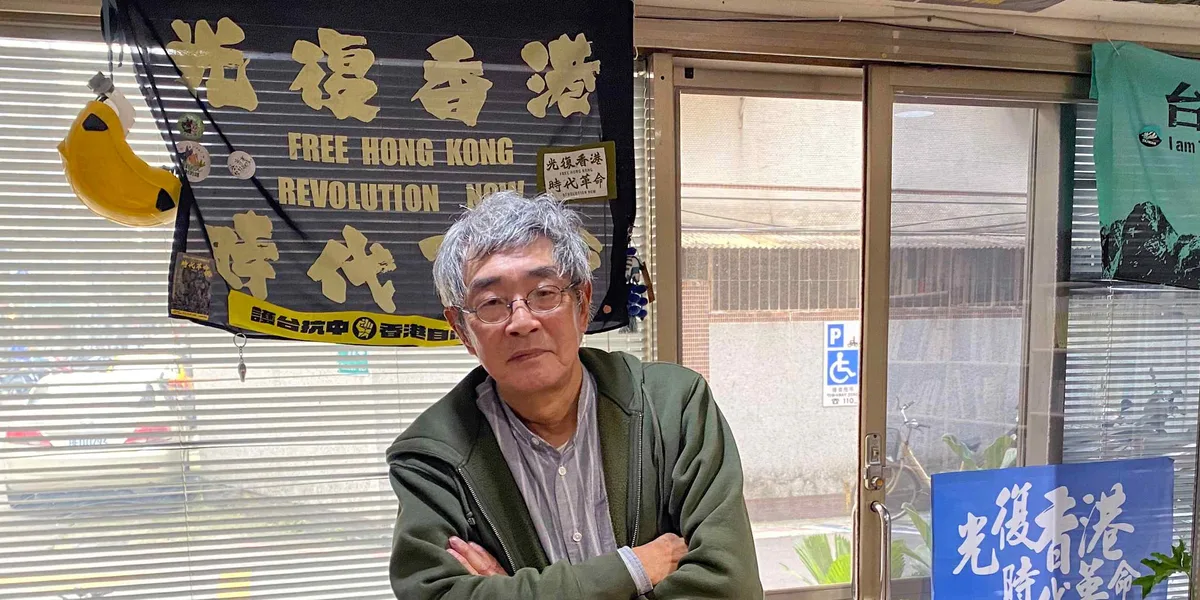
In 2019, fearing he would be extradited to China under a proposed Hong Kong bill, Lam fled to Taiwan and reopened Causeway Bay Books as a symbol of democracy and resistance to Chinese control [1, 2, 3]. He said, "Everyone has their own values. You can't go against your values, nor can you betray others. If you believe something is right, you should continue to stick to it. It's not like you're harming anyone" [1].
Taiwan President Lai Ching-te expressed sadness at Lam’s death, praising his commitment to freedom of expression. Lai said, "Lam's life bore witness to the value of freedom of expression, and to the fear and suffering inflicted by authoritarian repression. He chose not to remain silent. Instead, he reopened Causeway Bay Books in Taiwan, turning it into a place where friends from Hong Kong could gather, speak out and support one another" [1, 4].
Lam had been battling lung cancer, which returned and advanced to stage four despite treatment. He was admitted to Mackay Memorial Hospital in Taipei on June 30, 2026, where he soon fell into a coma before passing away two days later [1, 2, 3].
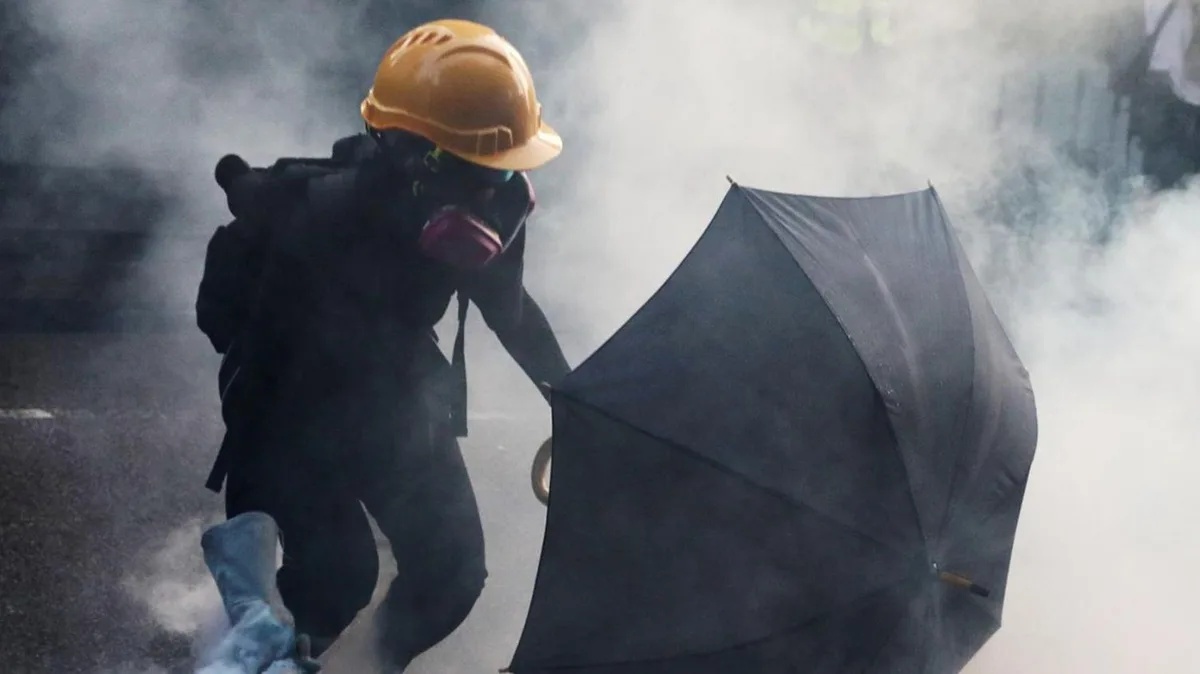
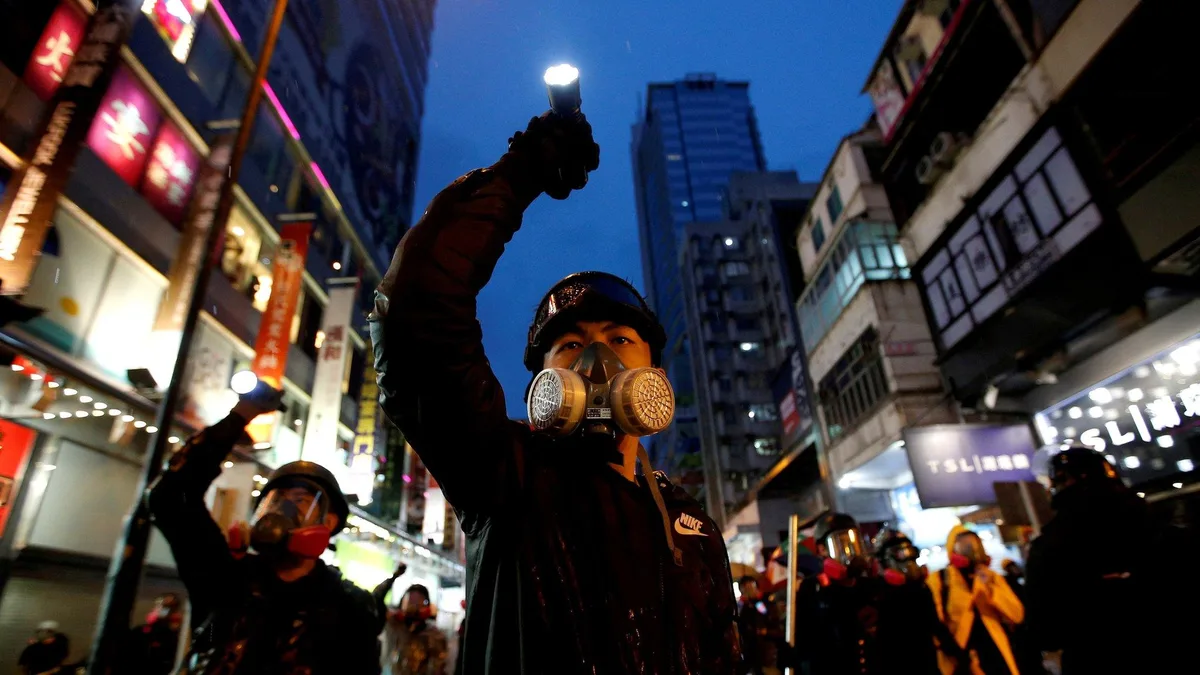
His kidnapping and forced confessions led to visits by Hong Kong justice and security officials to Beijing to discuss cross-border cooperation [3]. Lam’s case fed into fears that helped trigger the 2019 Hong Kong mass protests and the subsequent enactment of China’s national security law [1, 2].
In December 2023, Hong Kong’s last major opposition party disbanded under pressure from China, further diminishing dissenting voices in the city [2].