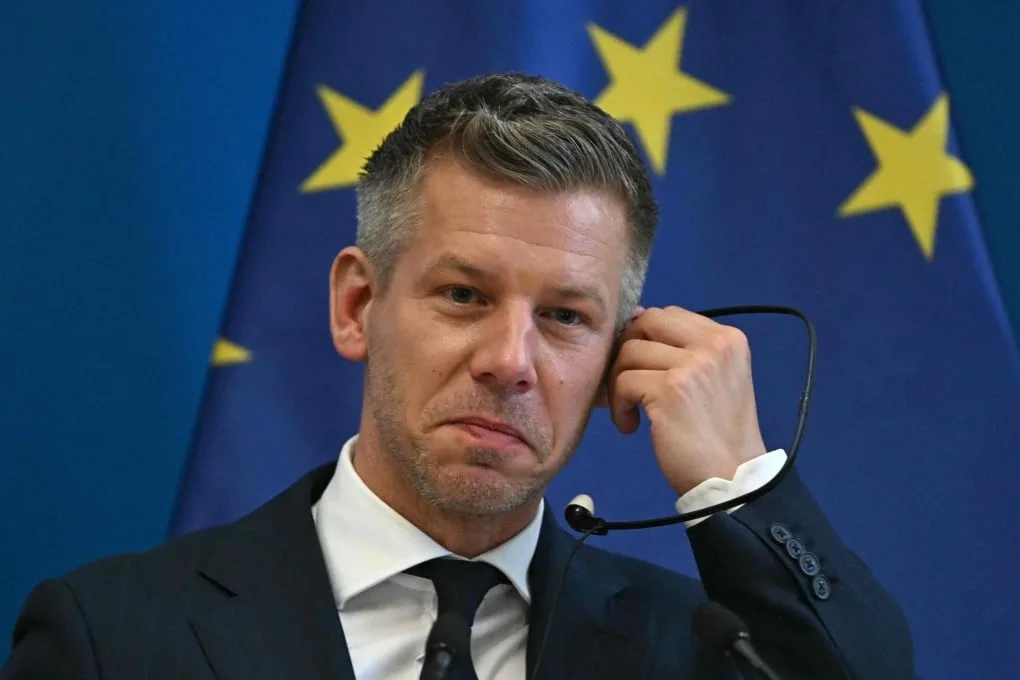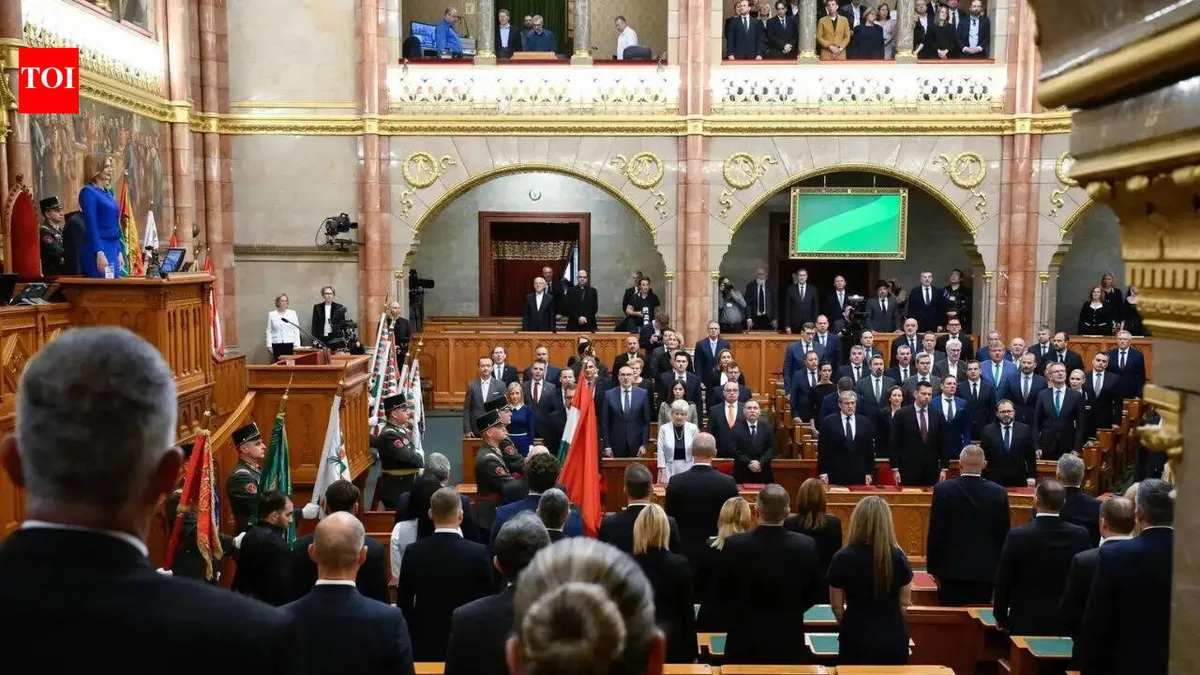
Hungary's parliament voted unanimously on Monday to reduce the monthly base salary of members of parliament by 40%, cutting it to approximately 3,690 euros before taxes, effective July 2026 [1, 2, 3]. All 189 MPs present out of 199 total supported the measure [1, 2, 3].
The salary reduction also applies to the prime minister, parliamentary speaker, and committee members. The legislation includes cuts to allowances for office rent, housing, and staff, and removes reimbursements for mobile phone bills [2, 3]. The law was introduced by the ruling Tisza party after its landslide election victory on April 12 under new Prime Minister Peter Magyar [1, 2, 3].
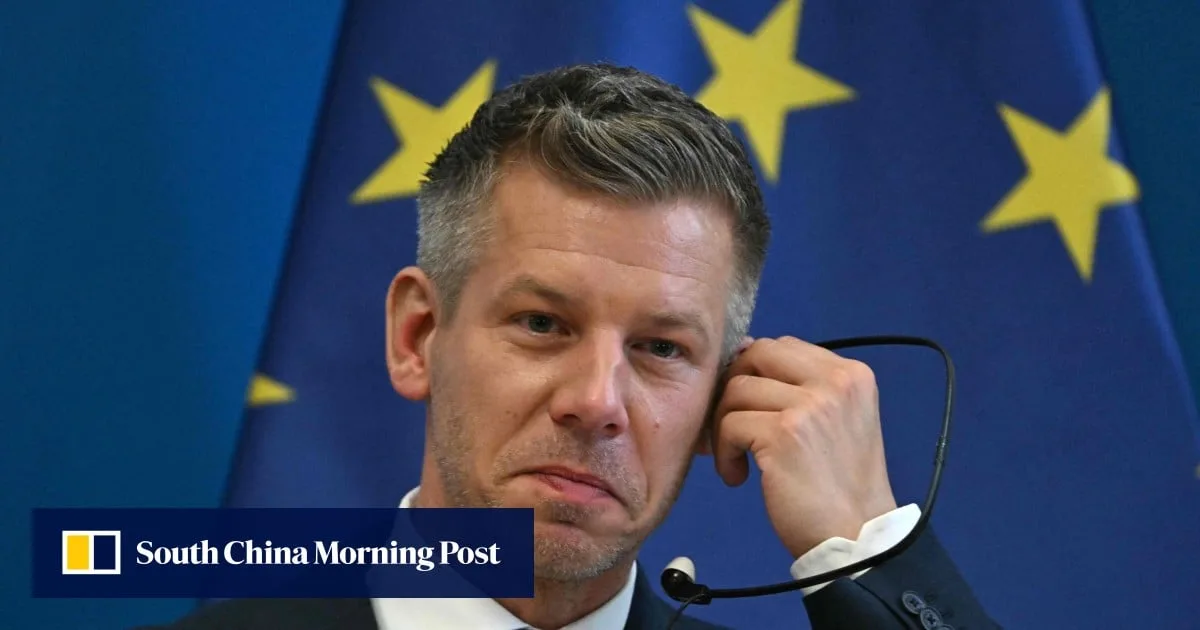
Magyar framed the pay cut as rooted in "self-restraint and humility," saying it is “besides humanity, about self-restraint and humility” [1, 2, 3]. He campaigned on reform themes including fiscal responsibility and anti-corruption efforts to address Hungary’s large budget deficit inherited from the previous government [2].
Despite the cuts, MPs’ salaries will remain nearly double the average national wage but fall from about triple under former Prime Minister Viktor Orbán, who governed for 16 years with high parliamentary pay seen as a way to appease opposition lawmakers [1, 3]. According to the head of Hungary’s anti-corruption agency, corruption during Orbán’s rule cost the country at least 186 billion euros [3].
The legislation also aims to reduce lump sum budgets granted to parliamentary groups as part of broader cost-cutting measures [2]. Savings from the salary and allowance cuts are expected to equal roughly one year of parliamentary operating costs over the legislature’s four-year term [2, 3]. Magyar’s government links these reforms to unlocking EU funds withheld pending anti-corruption and fiscal changes [2, 3].
Hungary reported a budget deficit of 3.806 trillion forints in the first five months of 2026 but had a surplus of 43.5 billion forints in May alone, heightening pressure for fiscal prudence [2].
The pay cut law takes effect starting next month with the July salary payments.