Hungary and Ukraine finalized an agreement protecting the rights of Ukraine’s ethnic Hungarian minority, estimated at around 100,000 people, settling a long-standing dispute that had blocked Hungary’s support for Ukraine’s EU accession talks. The agreement covers linguistic, cultural, educational, and political rights including native language use in schools, exams in Hungarian, and the display of Hungarian national symbols during celebrations [1, 2, 3, 4, 5].
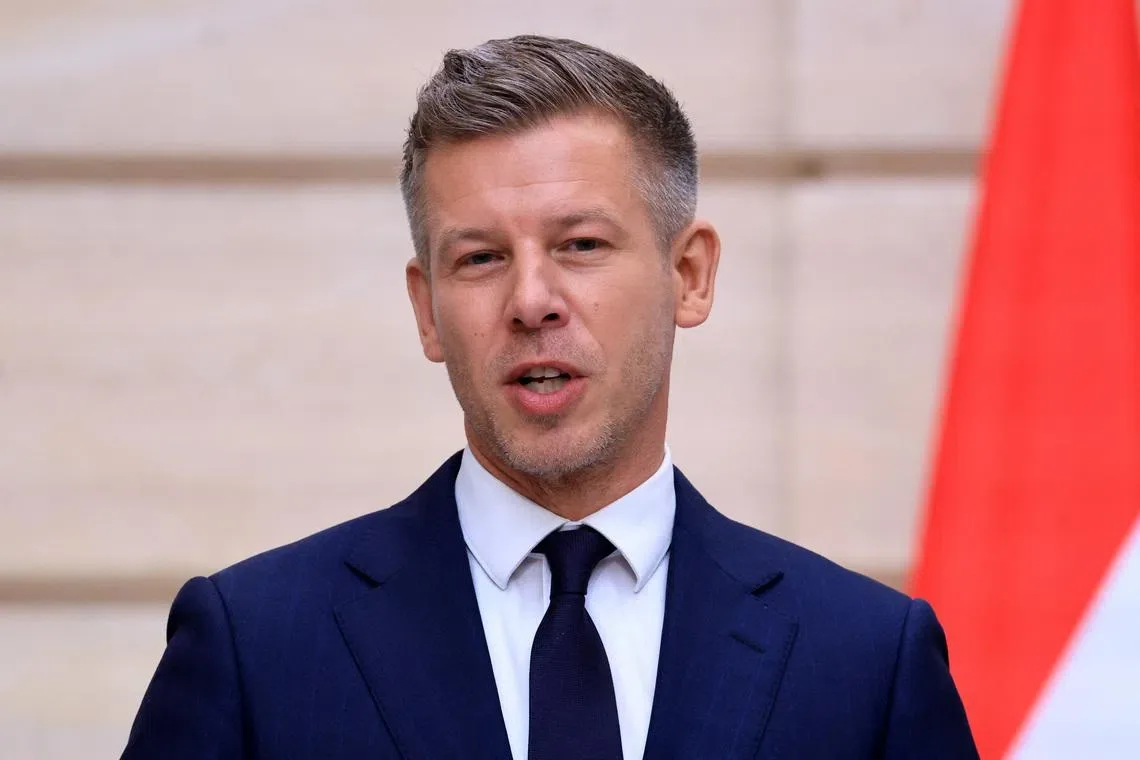
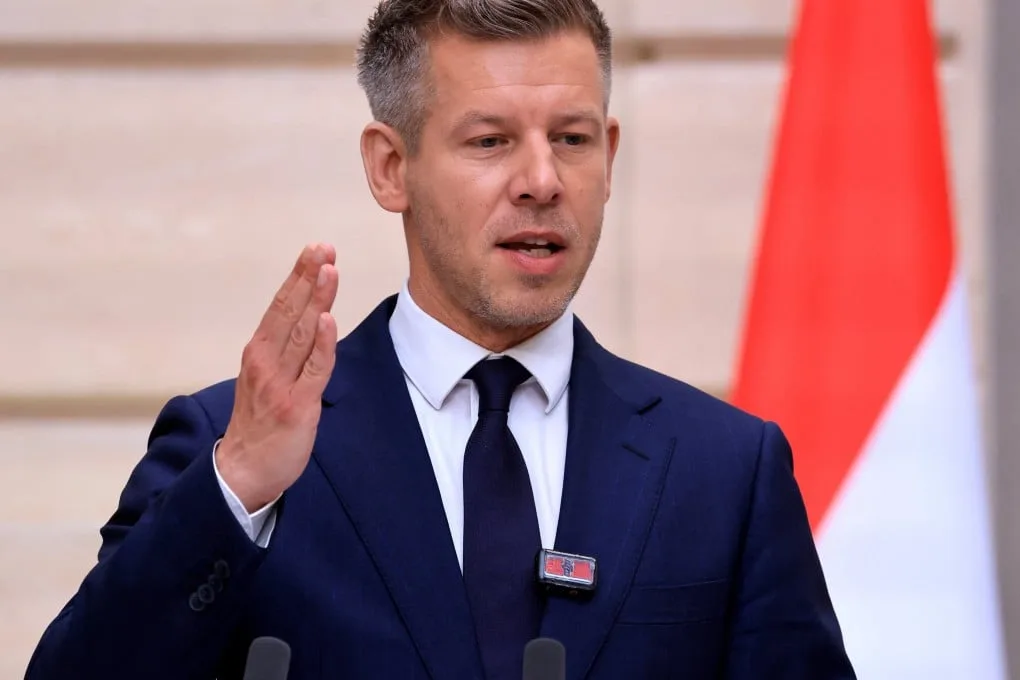
Hungary’s Prime Minister Peter Magyar described the deal as a "breakthrough" and said Hungary will support opening the first cluster of Ukraine’s EU accession talks if Kyiv complies with the agreement [1, 3, 4]. He added that Hungary does not support accelerated accession but may back full membership after Ukraine closes all 33 negotiation chapters within 10 to 15 years and holds a national referendum [1, 3].
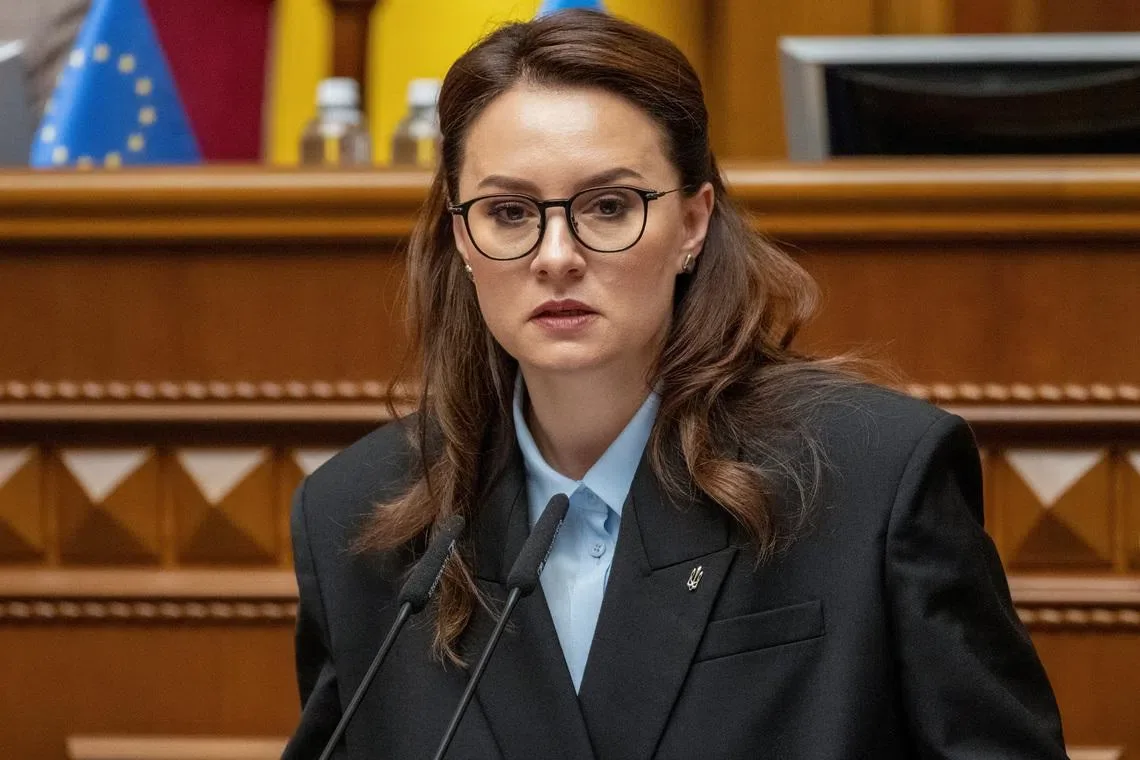
Ukraine has committed to enshrine the agreement’s terms in its legislation and include the commitments in its EU accession action plan [1, 3, 6, 4]. Ukrainian Prime Minister Yulia Svyrydenko called the news "fantastic" and said it brings Ukraine "one step closer to the EU membership" [7].
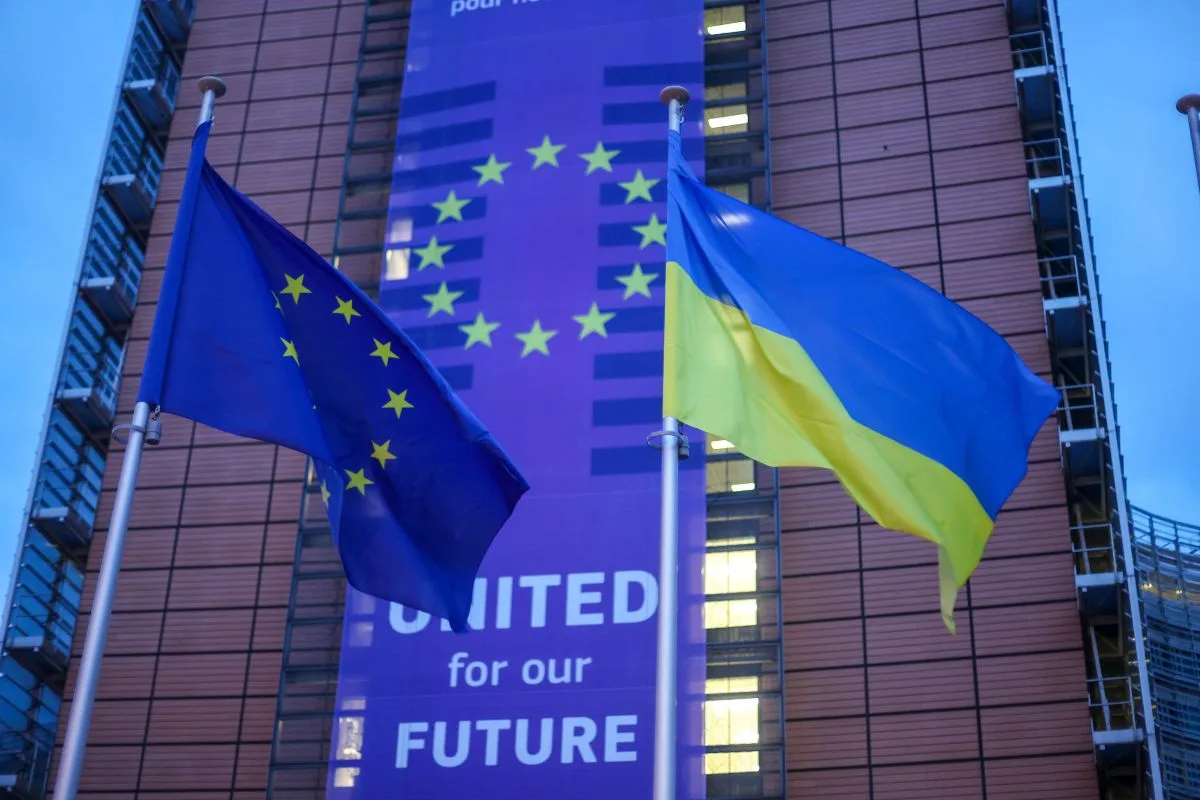
On June 4, all 27 EU member states agreed to open accession talks with Ukraine and Moldova on the first cluster of chapters, which cover fundamental issues like rule of law and democratic standards [7, 8, 9, 10, 11]. European Commission spokesperson Guillaume Mercier welcomed the agreement, saying it addressed "remaining issues concerning the rights of people belonging to national minorities in Ukraine" and was a positive step toward starting Ukraine’s EU talks [6].
Ukrainian President Volodymyr Zelenskiy pledged to meet the EU accession timeline and called Hungary’s change in stance a key factor in making progress. "We have already completed the work required. Now the ball is on the EU side," he said [5].