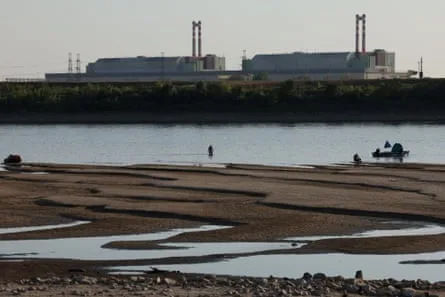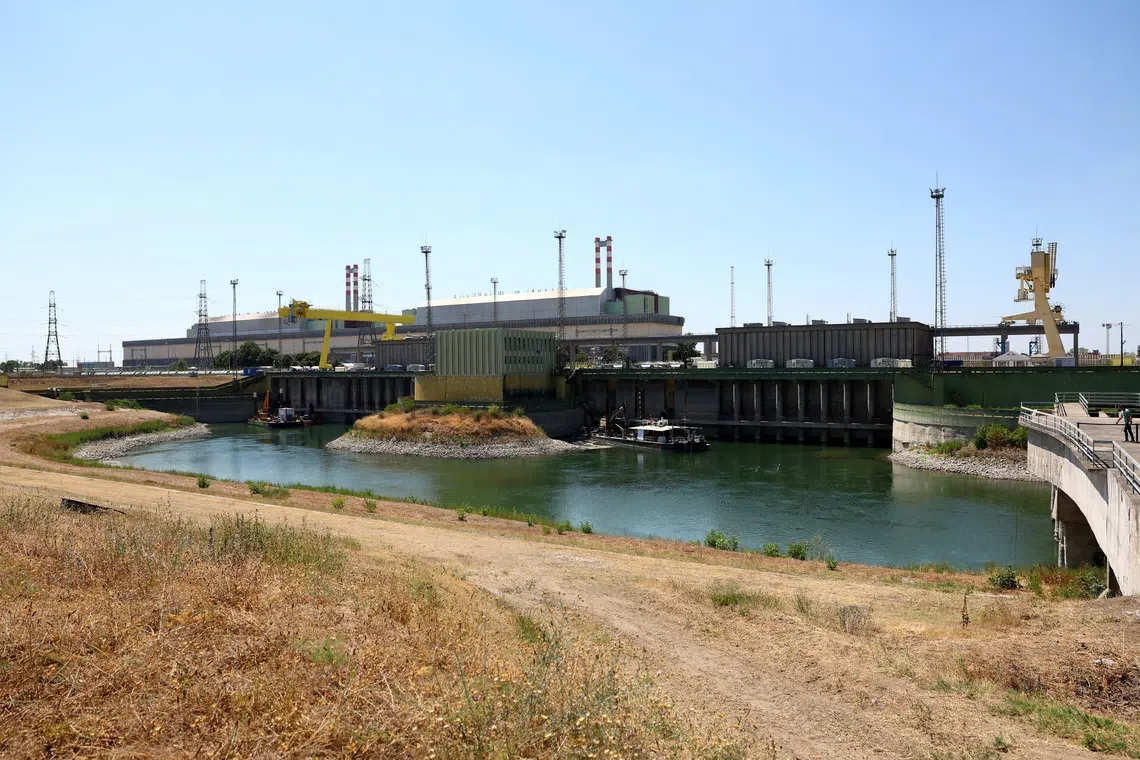
Hungary's only nuclear power plant, Paks, shut down completely on August 2 or 3 for the first time in its 44-year history. The closure was triggered by record low water levels in the Danube River caused by prolonged drought and intense heatwaves, which limited the plant's cooling capacity [1, 2, 3, 4, 5].
The Paks facility operates four Russian-built reactors with a combined capacity of 2 gigawatts. It normally supplies roughly half of Hungary's electricity demand [1, 6, 2, 5]. By August 2-3, power generation had dropped to just over 10% of capacity before the plant ceased operating altogether [1, 7, 6, 2, 5].
Hungarian Prime Minister Peter Magyar warned of a critical five-day period ahead with expected temperatures reaching 40 degrees Celsius. He said, "We are facing the most critical five days ahead. Tomorrow, the Paks power plant will not be generating, while the hottest, 40-degree (Celsius) days are ahead. The power grid, our public services and ourselves will all come under enormous strain" [1].
The Danube water level in Budapest hit a historic low of 23 centimeters in early August, breaking the previous 2018 record of 33 centimeters [2]. More than 100 cities and villages imposed water use restrictions, while shipping and tourism along the river were also disrupted [1, 8, 5].
Hungary called for voluntary power consumption cuts by households and businesses to reduce electrical load. Authorities warned mandatory restrictions could begin Monday if voluntary measures fail [1, 2, 9, 8, 5]. The shutdown of Paks and increased electricity imports are expected to cost Hungary between 100 billion and 240 billion forints ($315 million to $630 million) [1, 2, 5].
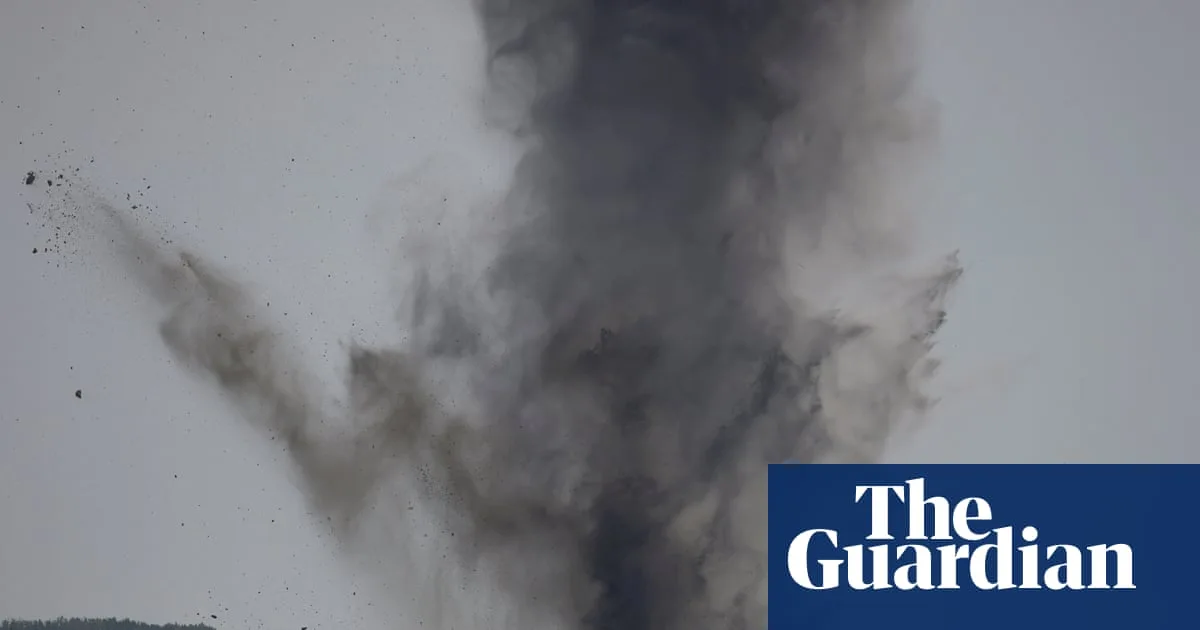
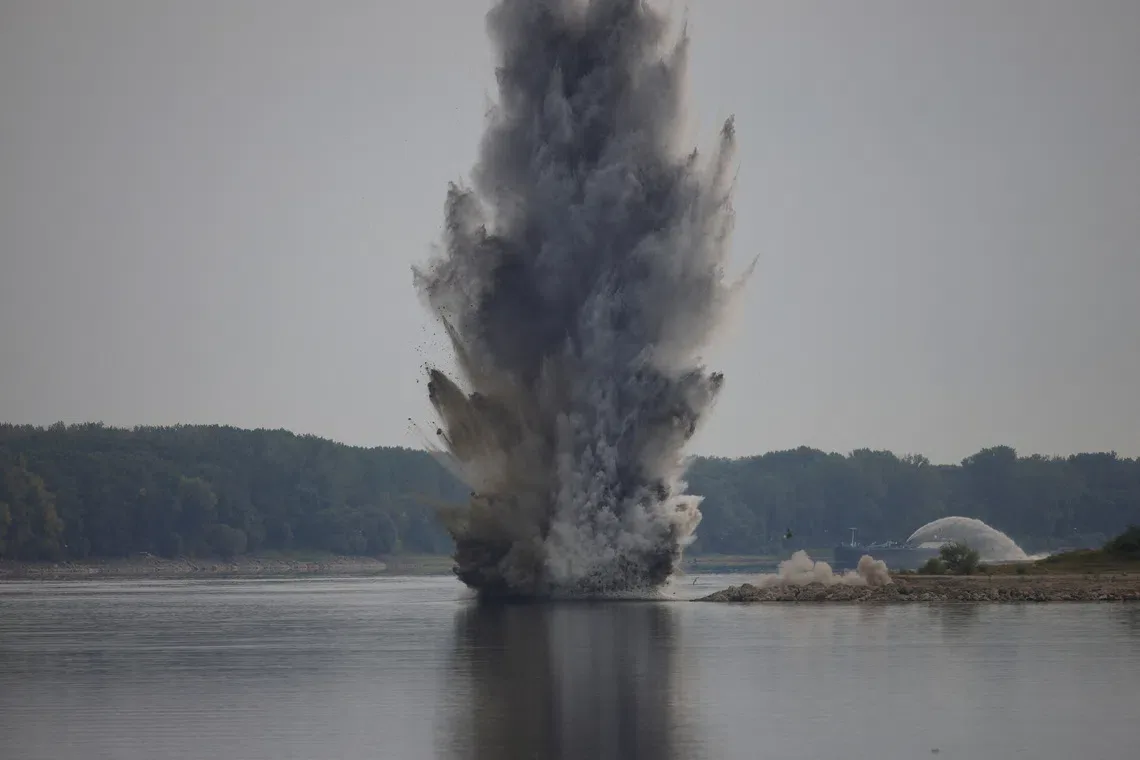
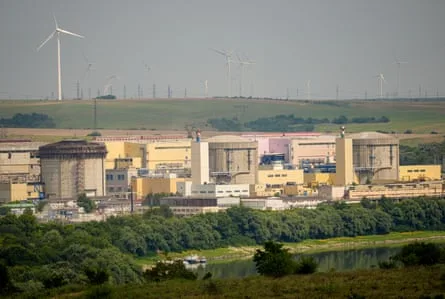
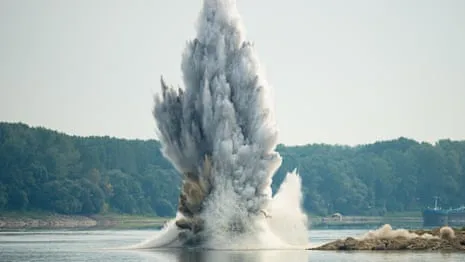
Meanwhile, Romania detonated a rocky outcrop in the Danube riverbed on August 3 to redirect water flow to the Cernavoda nuclear power plant. Cernavoda had already reduced reactor output because of drought and low river levels [7, 6, 9, 10]. Romanian Defence Minister Radu Miruță said, "Any day past Wednesday or Thursday that the nuclear power plant functions is a gain. A day of it functioning is three times more efficient than the costs of this operation" [6].
Romania declared a nationwide energy state of emergency as the drought impacted power production, including partial shutdowns of reactors at Cernavoda. Romanian car manufacturers Dacia and Ford paused production until August 19 to reduce power use during the crisis [7, 6, 3, 9].
Hungary's Paks shutdown marks uncharted territory for the country with unprecedented effects on energy supply and the economy [1, 2, 3]. Authorities expect the plant could remain offline for several weeks as weather conditions continue to strain the power grid [1, 8, 5].