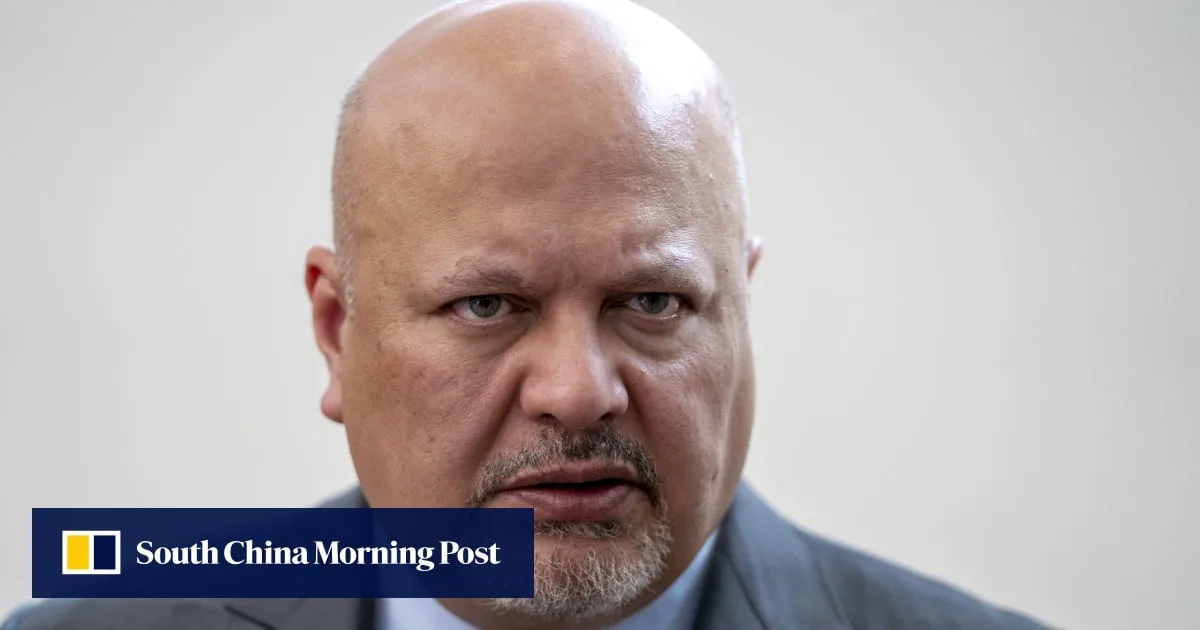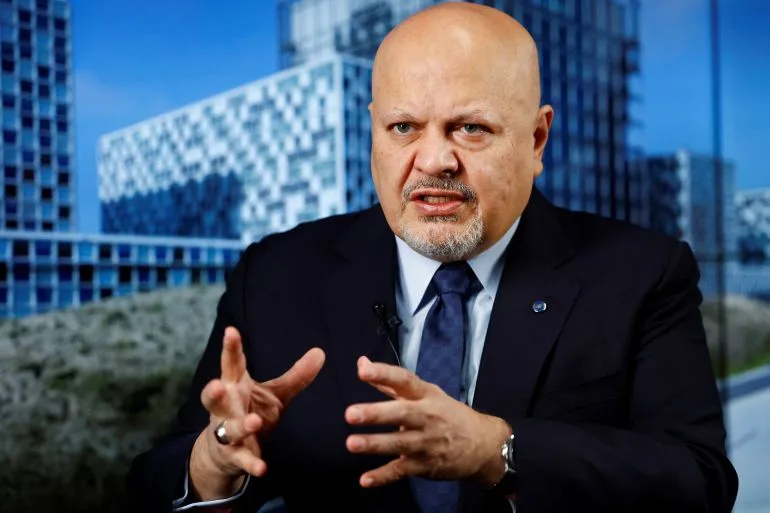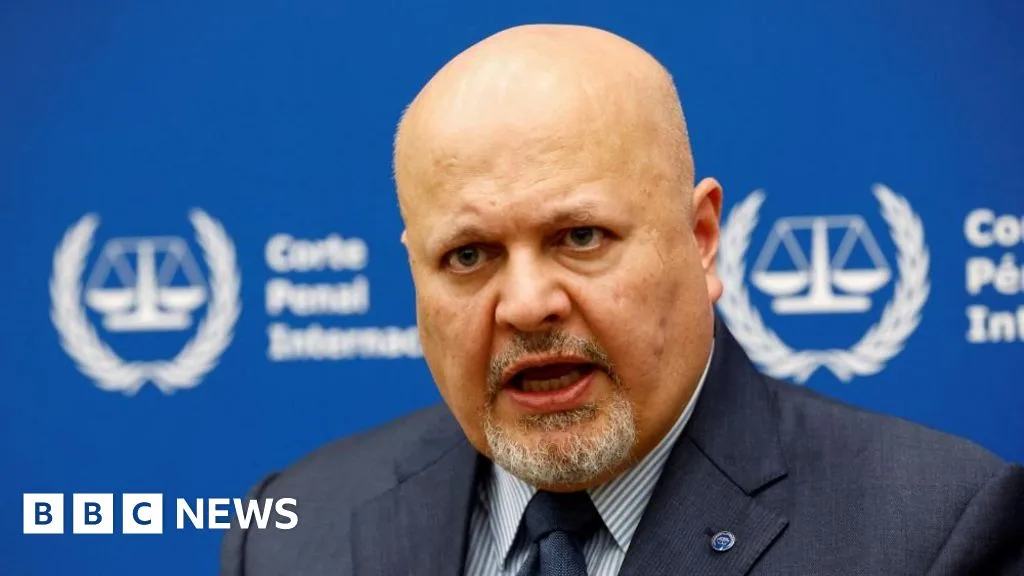
Karim Khan, the chief prosecutor of the International Criminal Court (ICC), was suspended with immediate effect by the ICC’s governing body. The suspension follows allegations of sexual misconduct involving a female staff member, reportedly occurring at Khan’s office, hotel rooms during work trips, and his home [1, 2, 3, 4, 5].
The ICC’s Bureau of the Assembly of States Parties (ASP), an executive committee representing 21 member states, voted on June 8-9, 2026, to suspend Khan pending disciplinary proceedings. The full Assembly of 125 member states will hold a special session to vote on Khan’s removal at the earliest possible date [1, 2, 6, 7, 8, 9, 10, 5].
Karim Khan has repeatedly denied all allegations, calling the suspension "unlawful, procedurally unfair and unsupported by evidence," according to his lawyers. They stated he "categorically denies having harassed or mistreated any individual, or having misused his position or authority, or engaged in any conduct that could be interpreted as coercive, exploitative, or professionally inappropriate" [1, 2]. Khan himself said, “I've read the UN report. I've read the findings of the judges... Not one of those findings makes determinations or makes findings of conduct that could be characterized as inappropriate in any way, shape or form” [8].
The allegations surfaced in May 2024, when a third party reported misconduct claims to the ICC, triggering an internal investigation. In October 2024, the case was referred to the UN Office of Internal Oversight Services (OIOS), which conducted an extensive investigation from November 2024 to December 2025. The UN inquiry amassed more than 5,000 pages of evidence and testimony [1, 2, 8, 5].
The UN OIOS found a factual basis supporting the allegations. However, a separate legal review by a panel of three judges concluded the evidence was insufficient to prove sexual misconduct beyond a reasonable doubt [3, 4, 6, 8, 10, 5]. Khan has been on voluntary leave since May 2025, stepping aside from his duties as the investigation continued [1, 7, 8, 10].
Khan attracted international controversy for pursuing ICC arrest warrants against Israeli leaders including Prime Minister Benjamin Netanyahu and Defense Minister Yoav Gallant over alleged war crimes in Gaza. That led to U.S. sanctions against him [3, 6, 7, 9, 5]. The disciplinary process and suspension have escalated political tensions and divisions among ICC member states [3, 7, 5].
The Assembly’s special session will determine Khan’s future at the ICC following the Bureau’s referral decision. The 125 member states remain divided as they prepare for the vote.