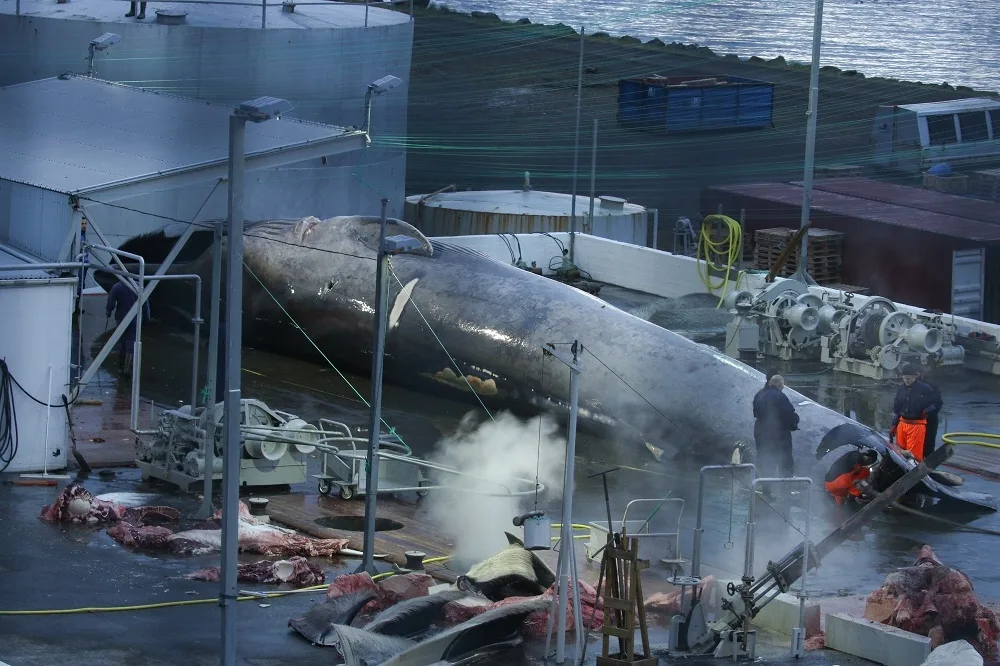
Iceland resumed commercial whaling in June 2026 following a two-year cancellation in 2024 and 2025, marking the first catches since 2023 [1, 2, 3]. Two fin whales were killed off Iceland's coast on June 21-22, the initial haul of the season [1, 3].
Iceland is one of three countries, alongside Japan and Norway, that openly permit whaling. While Japan claims scientific purposes for its hunts, Iceland and Norway practice commercial whaling openly [1, 2, 3].
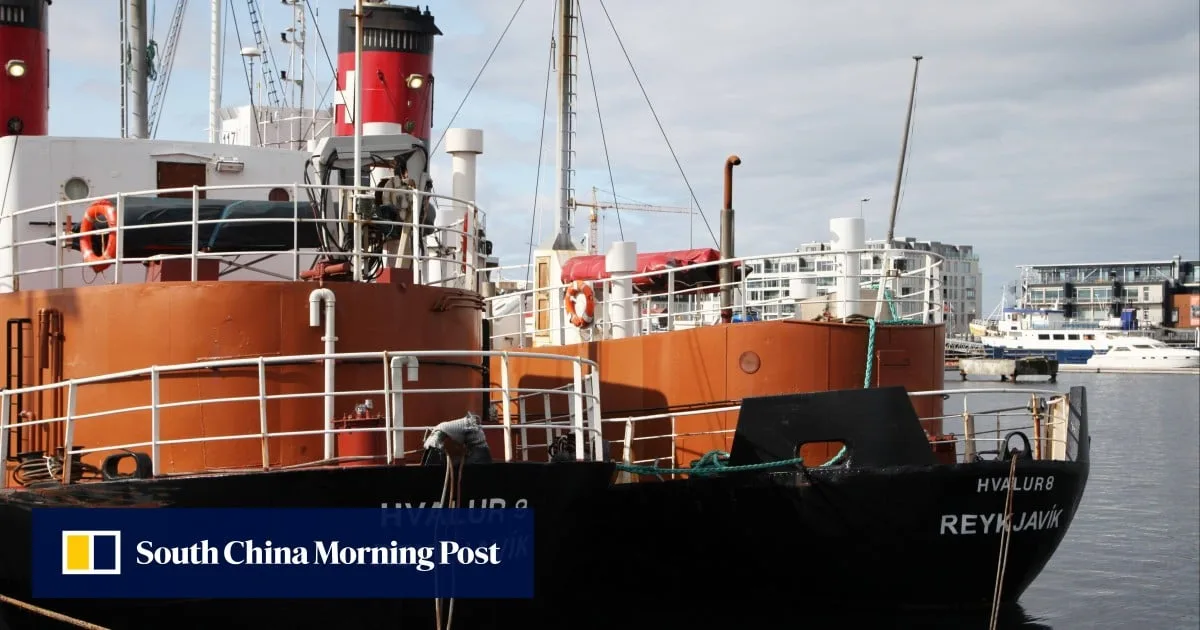
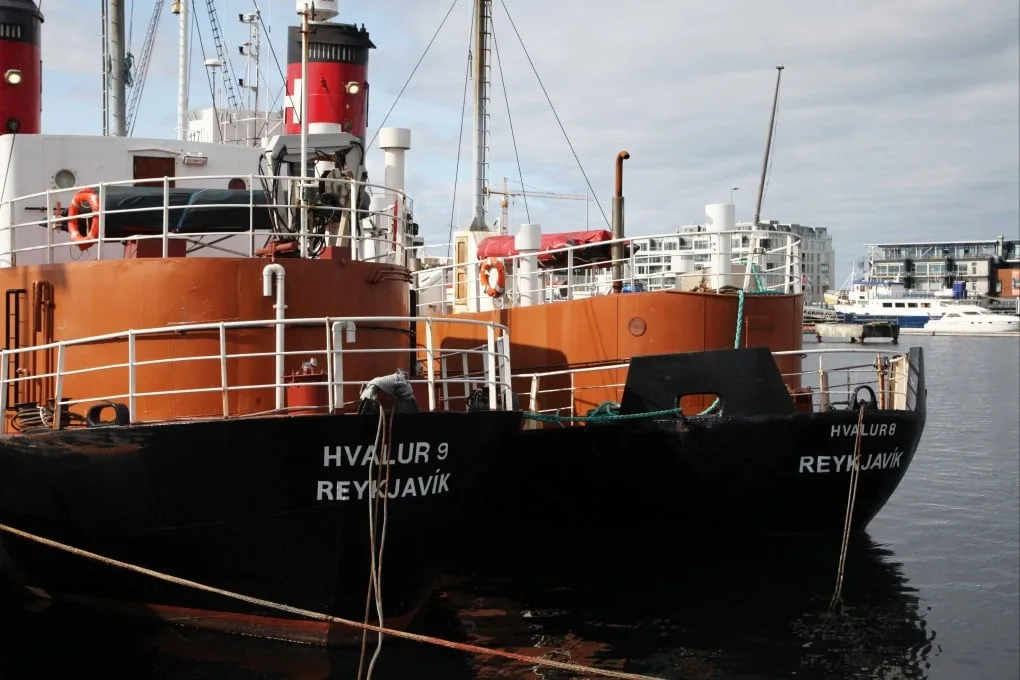
Before the whaling vessels left Reykjavik port on June 19 or 20, a protester chained himself to the mast of one ship and was later escorted away by police [1, 2, 3]. Joanna Swabe of Humane World for Animals called the fin whale deaths "devastating," saying it was "disheartening to see Iceland’s whaling boat leave port to begin another season of whale slaughter despite overwhelming evidence that there is no humane way to kill a whale" [1, 2]. She added these whales likely endured "an agonising death for meat that virtually no one in Iceland wants to eat" [2, 3].
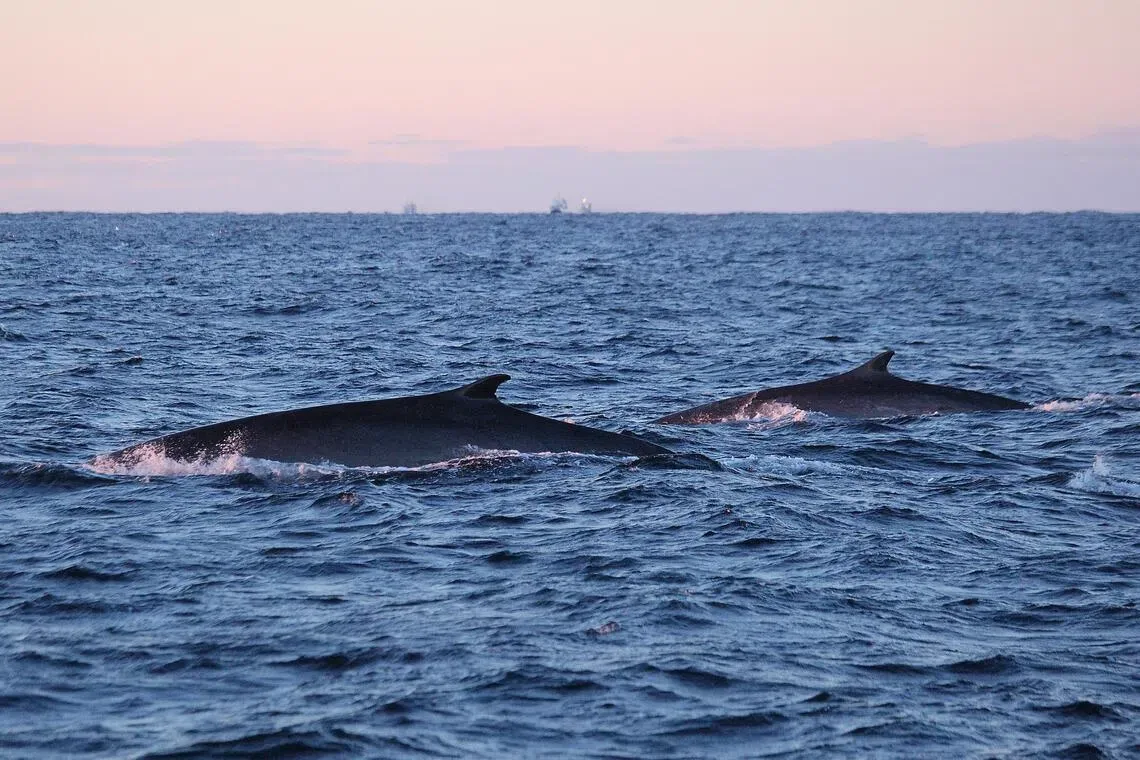
The fin whale, the second largest animal after the blue whale, has a 2026 quota capped at 150 whales—reflecting a 28% reduction compared to 2018-2025 levels. The minke whale quota for 2026 was set at 168, a 23% decrease from previous years, based on recommendations from Iceland’s Marine and Freshwater Research Institute [1, 3].
Iceland notified it plans to introduce a bill in autumn 2026 to ban whaling within the country [1, 3].