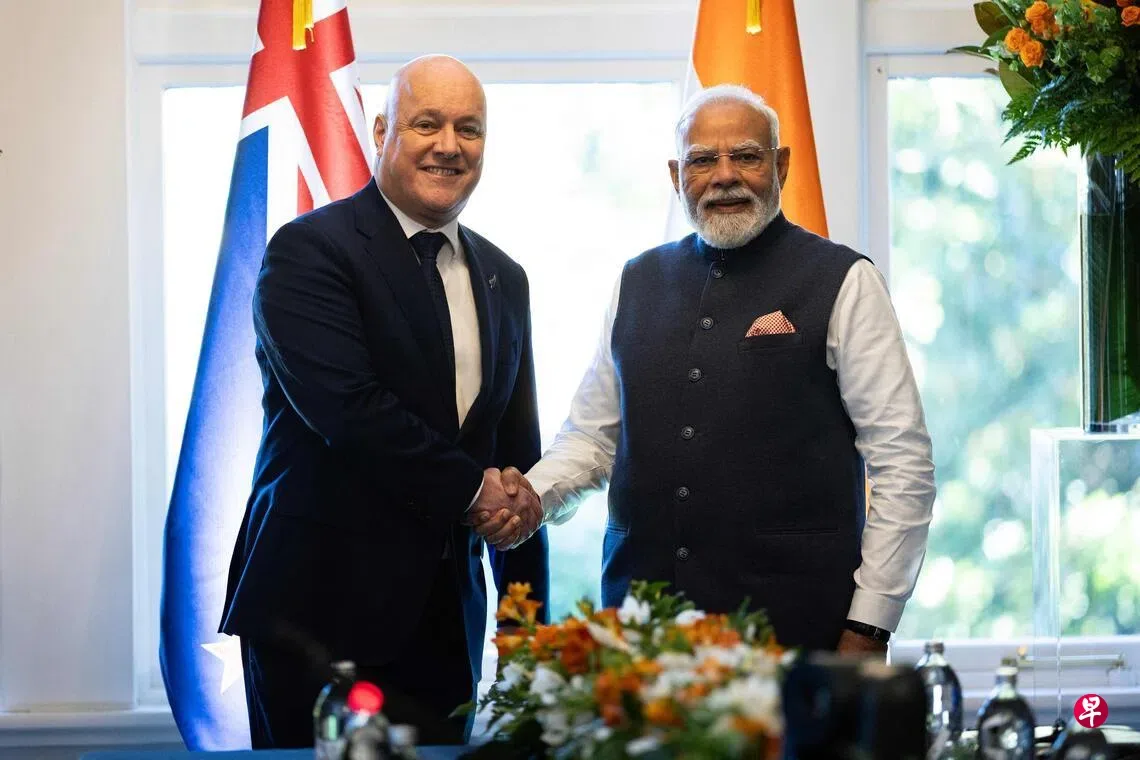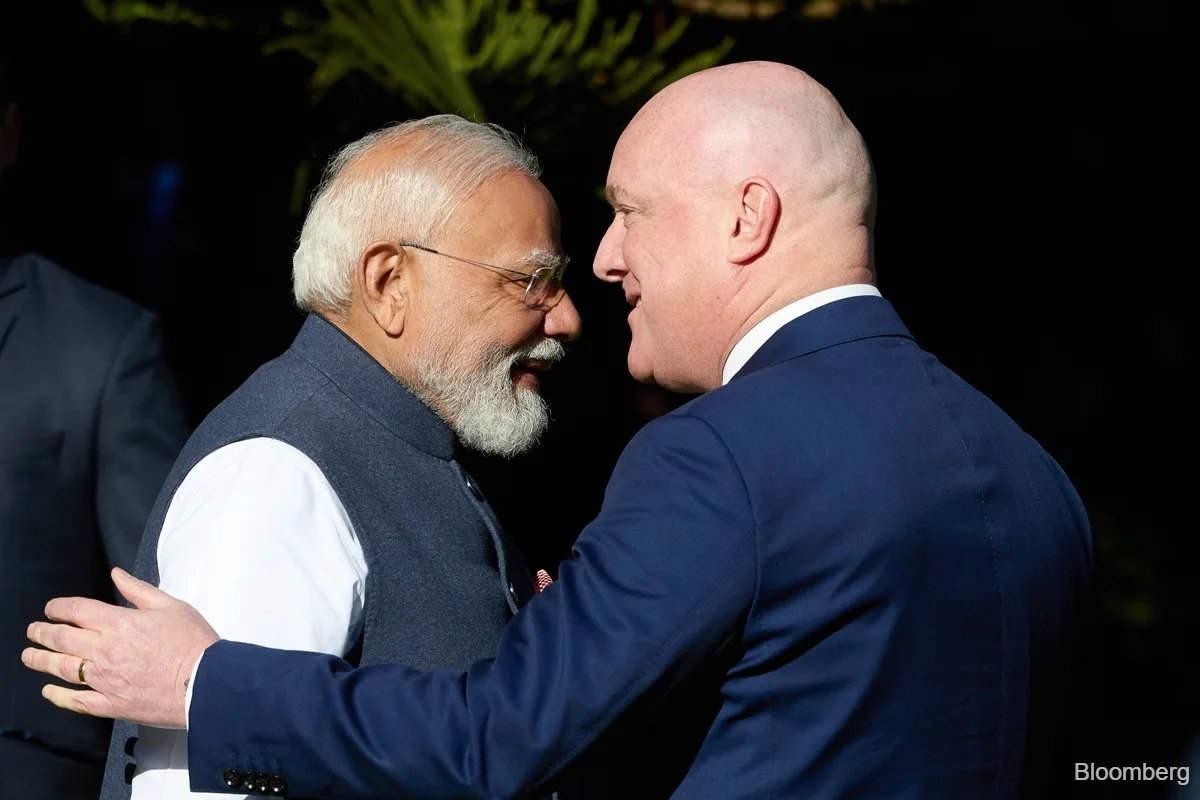
India and New Zealand elevated their bilateral relationship to a strategic partnership on July 11, 2026, marking enhanced cooperation in defense and security alongside broader ties in trade, culture, and technology [1, 2, 3].
The agreement includes a Maritime Cooperation Arrangement and plans for joint naval exercises, highlighting security collaboration in the Indo-Pacific region [1, 2, 3]. Indian Prime Minister Narendra Modi said the partnership is a “significant milestone that gives momentum and confidence” to ties between the two democracies, emphasizing their shared belief in democratic values [4].
The announcement came during Modi’s visit to Auckland on July 10-11, his first visit as Indian Prime Minister to New Zealand in 40 years [2, 4, 5]. Modi concluded a regional tour that also included Indonesia and Australia between July 6 and 11 [6, 3, 4].
New Zealand Prime Minister Christopher Luxon called the partnership “a major step” that expands the “framework and breadth” of relations between the countries [1, 4]. Luxon highlighted cooperation with China where possible but emphasized working with like-minded countries to protect national interests amid rising regional tensions, including China’s recent ballistic missile test in the Pacific Ocean on July 6 [7, 6].
The strategic partnership sets a roadmap to 2030 aiming to double two-way trade between India and New Zealand. It also extends cooperation to diplomacy, culture, sports, science, and technology [1, 3, 8, 4].
The relationship builds on strong people-to-people ties, with New Zealand’s 2023 census recording nearly 292,000 residents of Indian ethnicity in a population of 5.3 million [2, 4, 5]. However, rising Indian immigration has generated public debate and concerns over racial discrimination incidents [2, 4, 5].
The partnership will guide future defense cooperation and trade expansion, with joint exercises and diplomatic engagement scheduled as the two countries deepen their ties through 2030 [1, 3, 8].