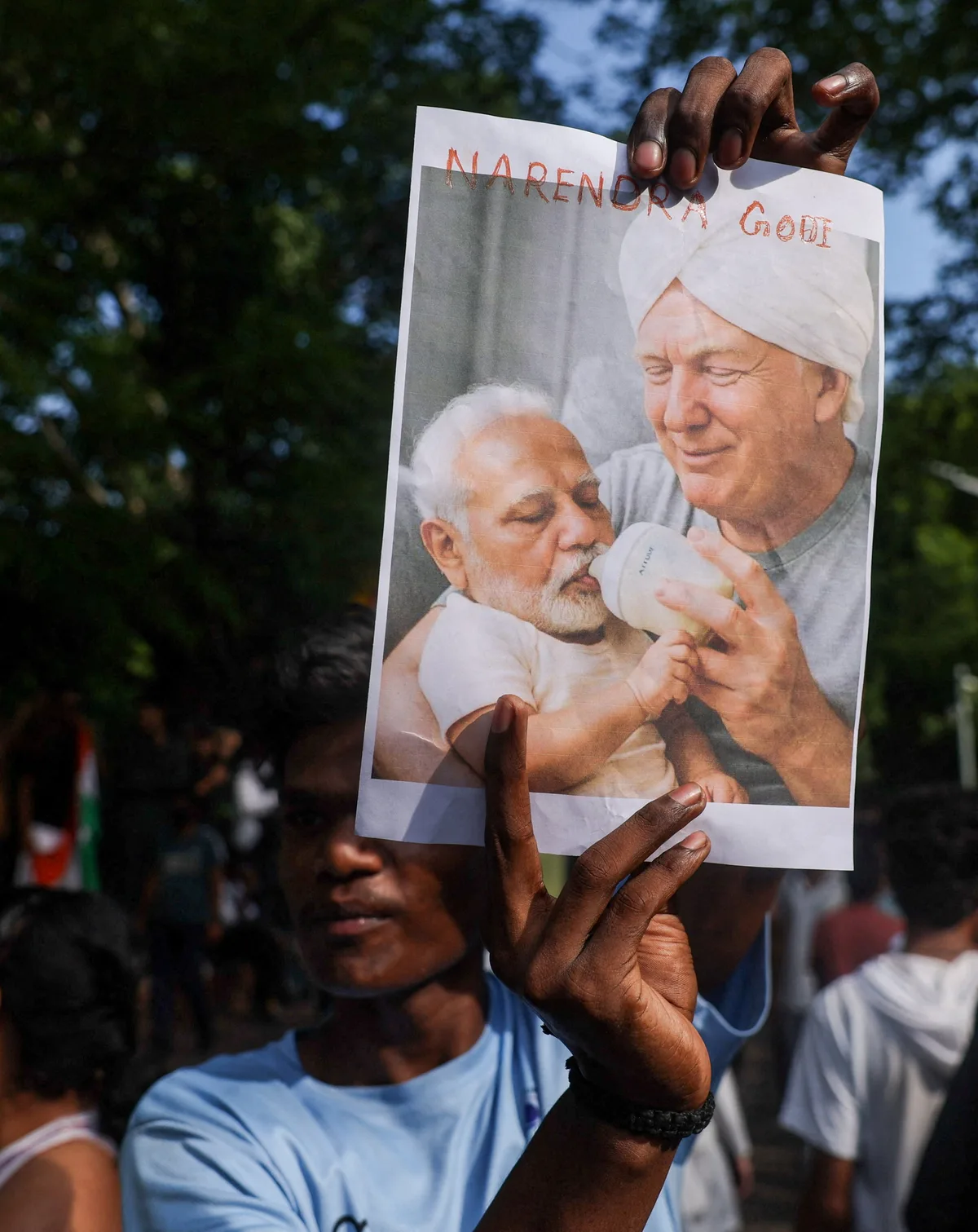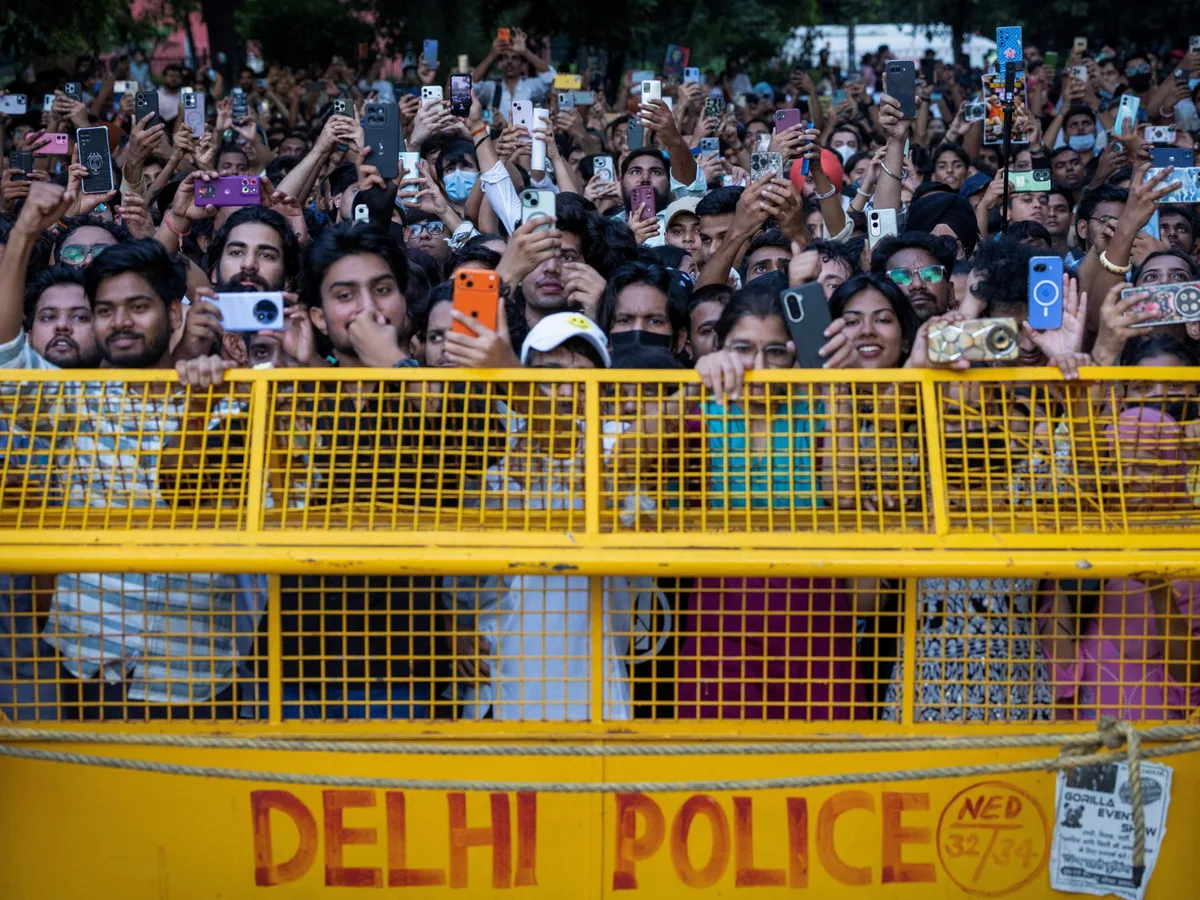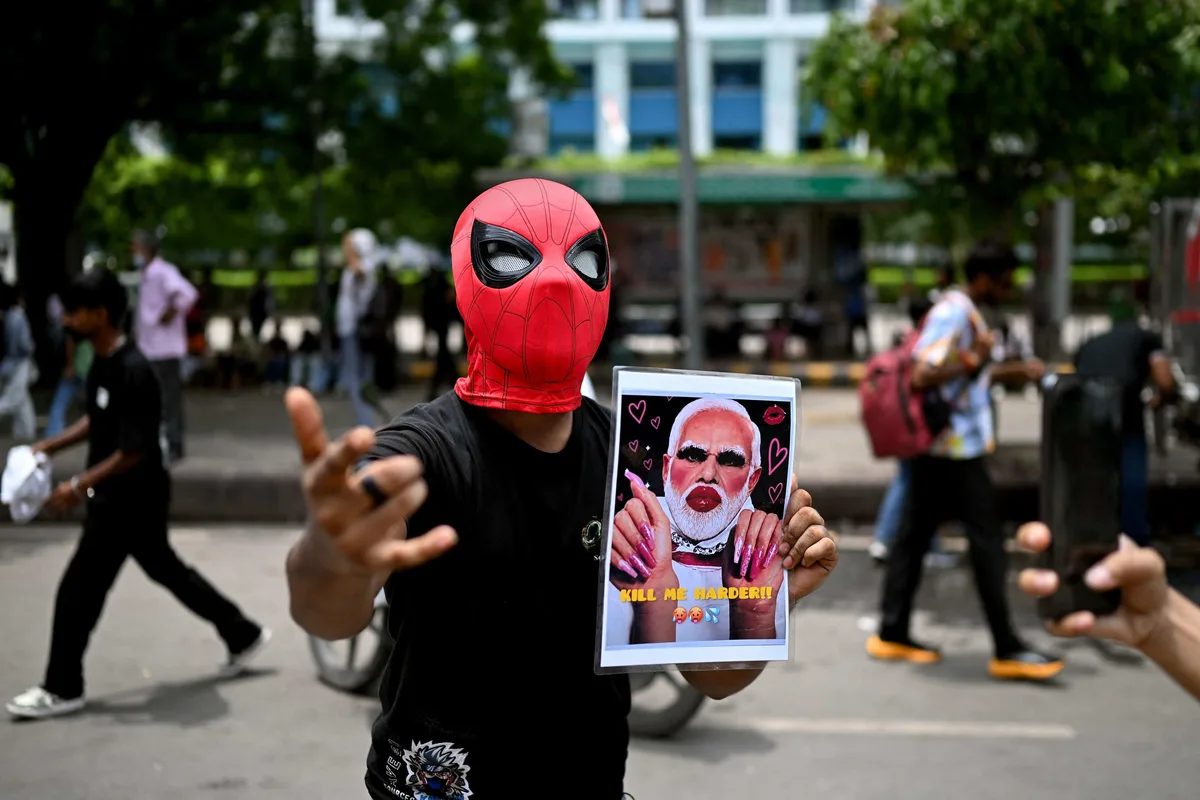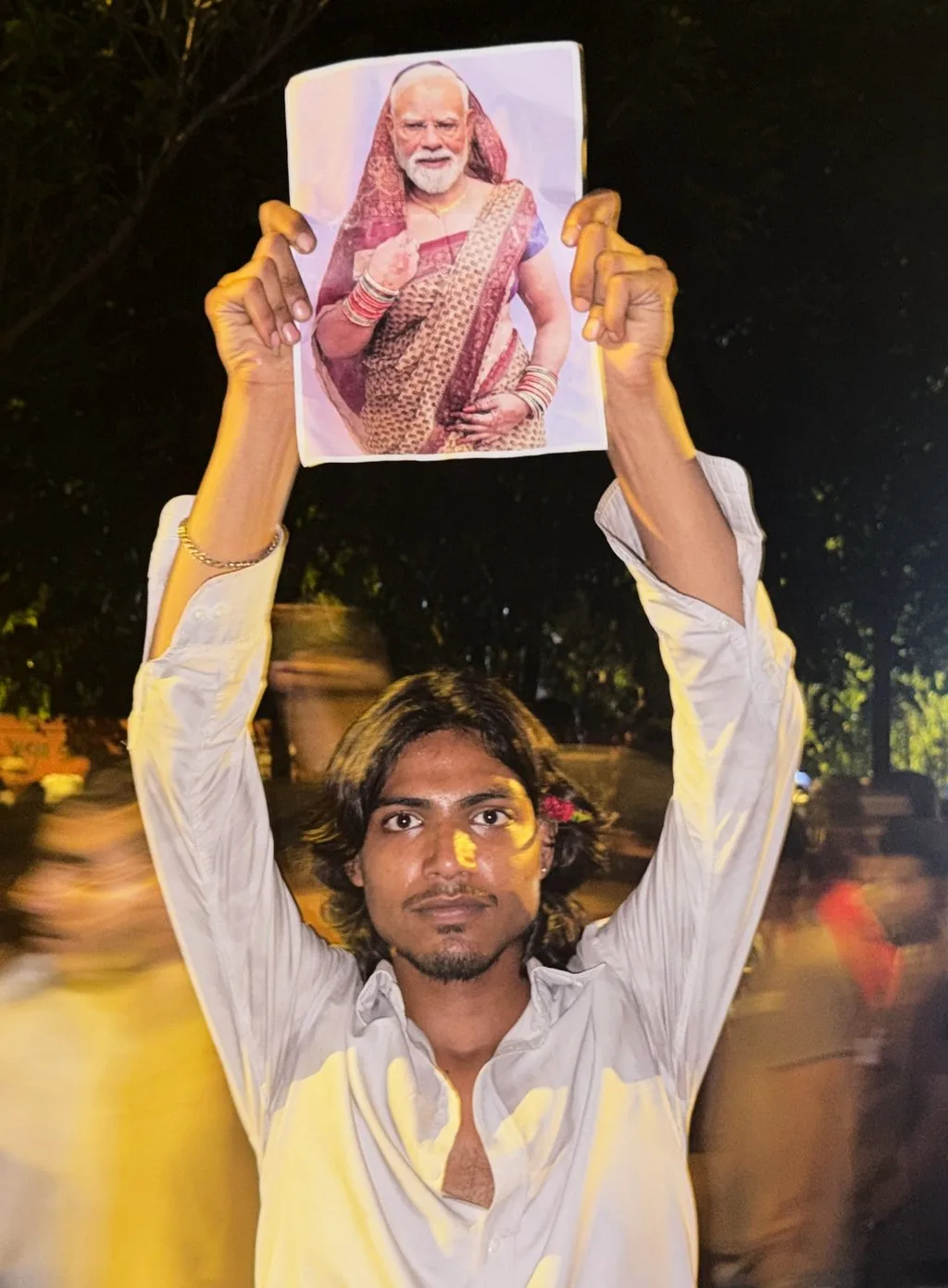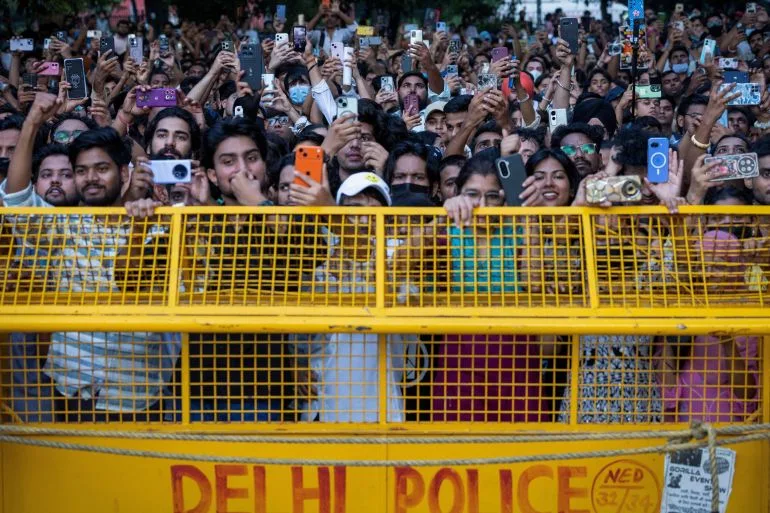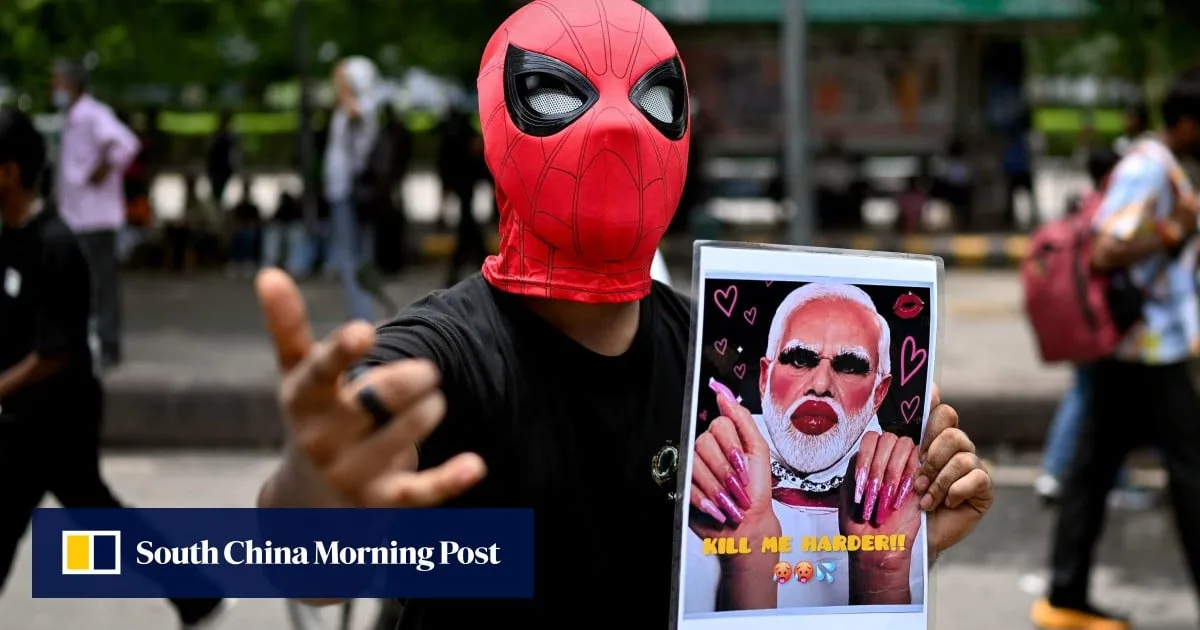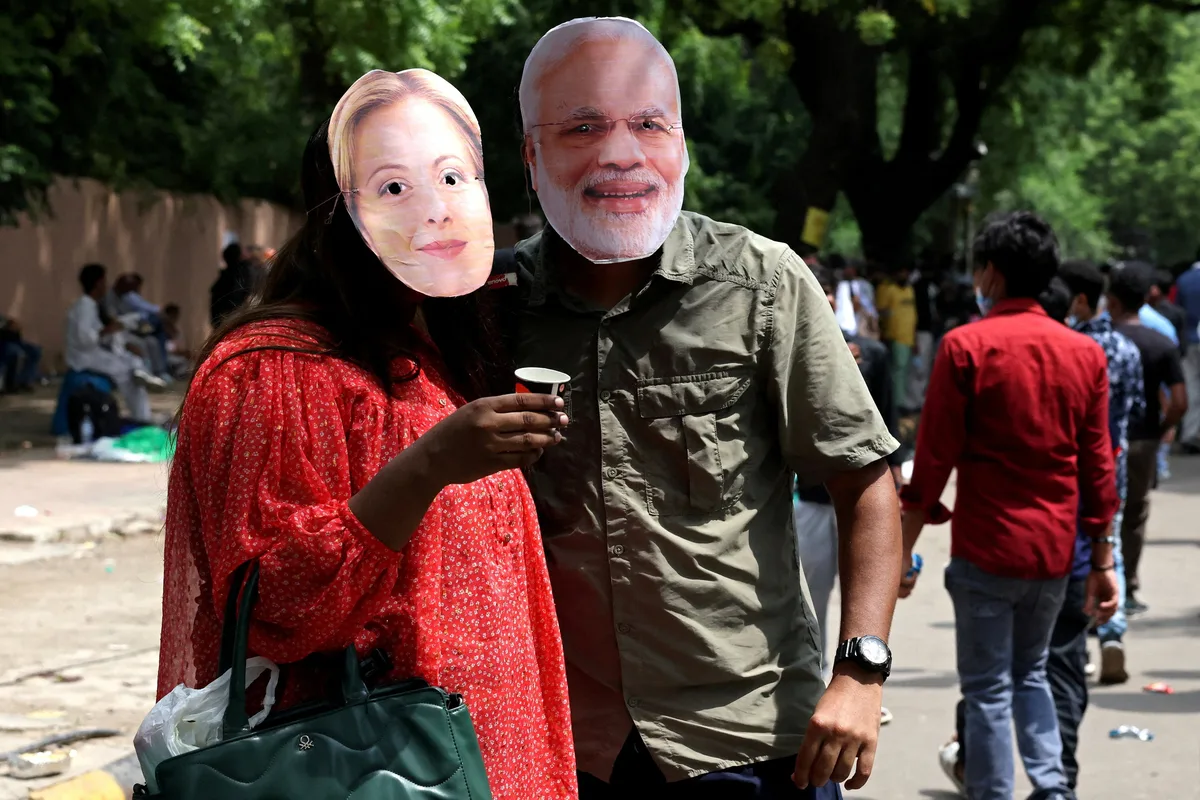
Indian Prime Minister Narendra Modi said on July 31, 2026, that he wants to forgive students and youth protesters who hurled insults at him and his late mother during recent demonstrations across India [1, 2, 3]. Modi, 75, described such insults as "mistakes made in youth" that require guidance rather than legal action and urged society to forgive rather than punish the protesters [1, 2, 3]. "The country and the world witnessed what happened at Jantar Mantar. Some mischievous youngsters hurled vile abuses... I want to forgive them," Modi said [1]. "These are misled children. Showing them the right path is our duty. Punishing them... will not change the situation," he added [2].
The protests were mobilized by the online group Cockroach Janta Party (CJP), which formed in May 2026 after a medical entrance exam paper leak forced over 2 million students to retake the exam [2, 3, 4]. What began as a protest over exam issues quickly expanded into wider demonstrations around unemployment, governance, and education reform across multiple cities, including New Delhi [2, 4, 5]. The movement led to the resignation of Education Minister Dharmendra Pradhan amid protest pressure and government promises to reform the exam system and avoid criminal cases against protesters [2, 4, 6, 5].
Despite official commitments, police in several states ruled by Modi's Bharatiya Janata Party (BJP) filed cases and arrested hundreds of students involved in clashes and shouting slogans abusing Modi [2, 4, 5]. Police also asked social media platforms such as Meta and X to remove abusive and manipulated content targeting Modi connected to the protests [1, 6, 7, 8]. Modi's BJP Instagram account has 9.6 million followers, while the Cockroach Janta Party, founded in May 2026, has over 26 million Instagram followers [3, 6, 7, 8].
A widely circulated video showed a female protester using abusive language against Modi; she later publicly apologized, saying she had been influenced by others at the protest site [4, 5]. CJP spokesperson Saurav Das condemned the police cases against protesters as selective targeting meant to intimidate activists. "From when did using abusive language become a criminal offense in this country?" Das asked [4].
The protests have become the biggest political crisis for Modi's government in his third term [2, 4, 5]. Modi’s forgiveness message came as a call to defuse tensions after weeks of unrest and amid ongoing legal actions against some participants.
The government is expected to proceed with announced reforms to the examination system while monitoring protest activities and social media content linked to the demonstrations.