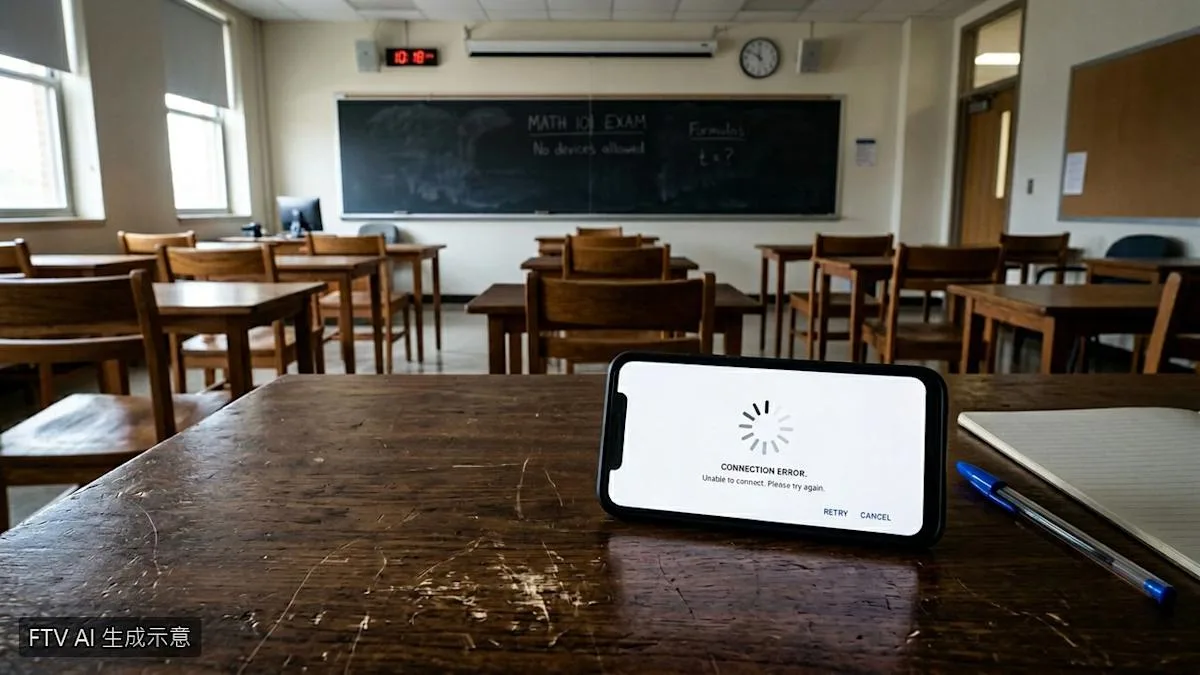
India temporarily banned Telegram last week due to concerns over cheating and exam paper leaks related to the National Eligibility-cum-Entrance Test (NEET), scheduled for a retest on September 3, 2026 [1, 2]. The ban was imposed under a provision of Indian IT law allowing authorities to block online platforms to protect sovereignty and integrity [1].
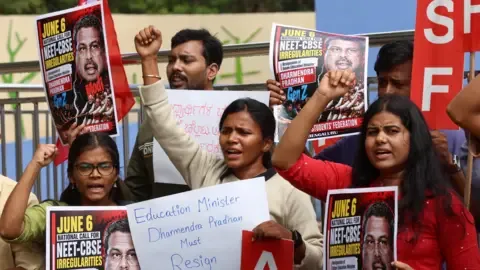
The NEET exam paper leak discovered in August led to the cancellation of the original exam results, affecting millions of students. More than a dozen people have been arrested in connection with the leak [1, 2]. To prevent further leaks, the retest on Sunday is planned with heightened security, including the use of Indian Air Force aircraft to transport the examination papers [1].
National Testing Agency (NTA) defended the ban, citing organized cheating rackets using Telegram for fraud and sharing leaked exam materials [1]. Telegram, which has over 150 million active users in India, claims it removed hundreds of channels involved in sharing leaked papers and scams in recent weeks [1, 2].
Telegram CEO Pavel Durov strongly criticized the ban on social media platform X on September 1. He called it "a mistake" that would punish millions of innocent users while doing little to stop those responsible. He said, "Banning it - even temporarily - is a mistake. It will punish millions of users but do little to stop those responsible for the leaks" [1]. Durov also stated in Chinese that blocking Telegram did not stop wrongdoing; leaked materials and scams simply moved to other messaging apps, denying many legitimate users access without stopping illicit activity [2].
The retest, scheduled for September 3, remains underway under tight security alongside the ongoing Telegram ban, as Indian authorities seek to prevent further exam-related fraud [1].