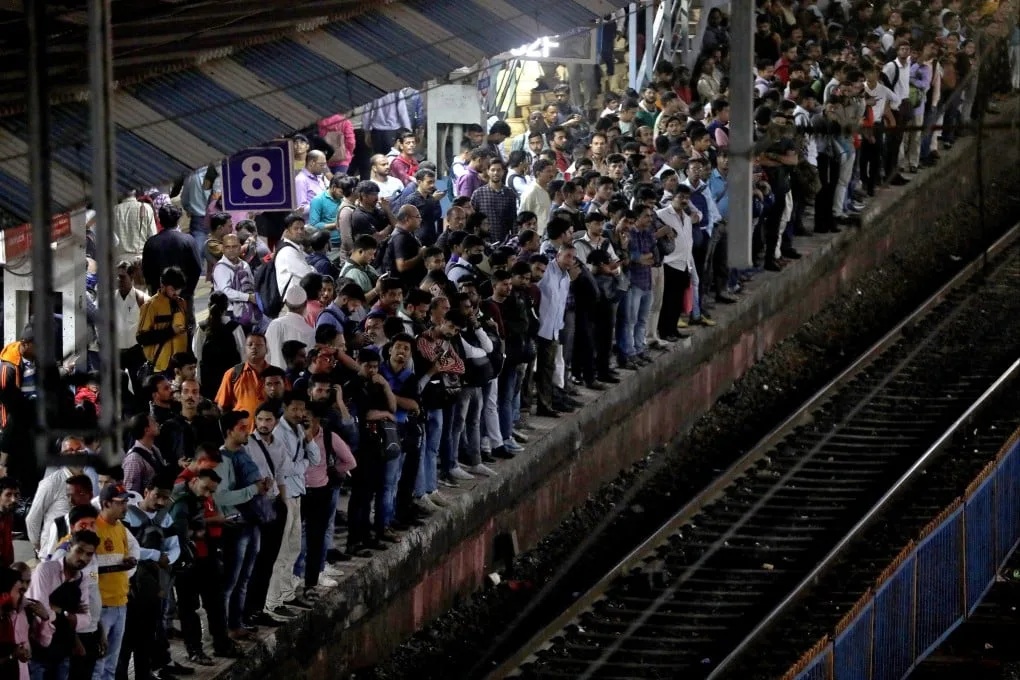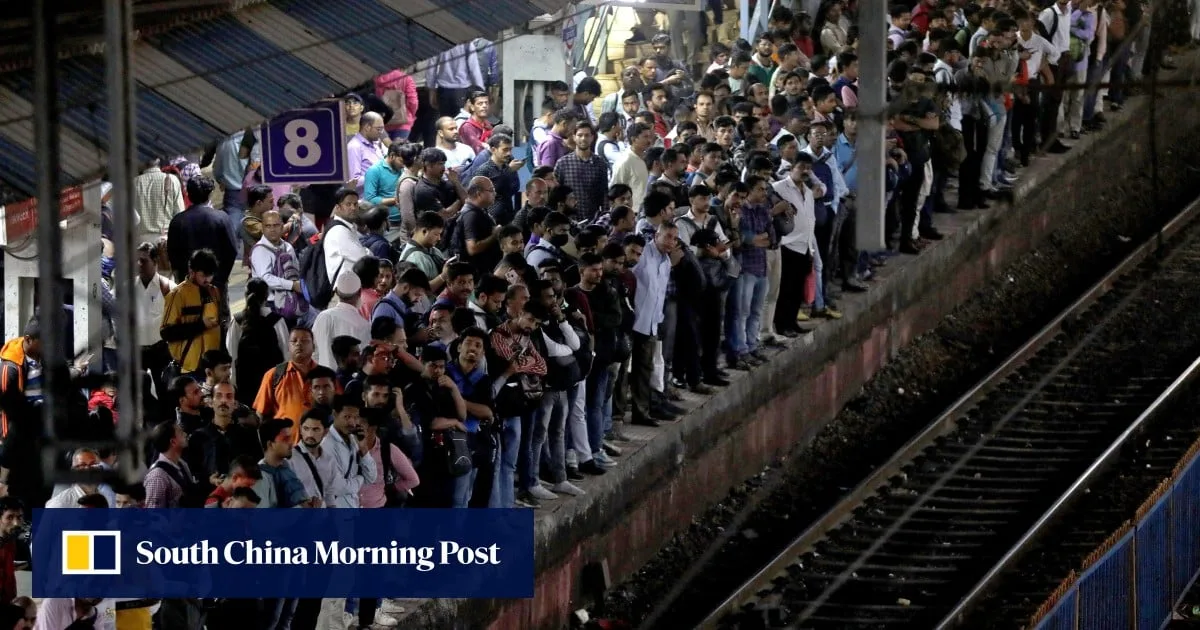
India, home to 1.42 billion people, is seeing its fertility rate fall to 2.0 children per woman in the 2019/21 assessment period, below the 2.1 rate needed for population replacement, according to government data [1, 2]. Allies of Prime Minister Narendra Modi and Hindu groups are promoting larger families to counter this trend [1, 2].
The southern state of Andhra Pradesh announced a revised cash incentive plan over the weekend before May 18, offering 30,000 rupees (about US$311) for families having a third child and 40,000 rupees for a fourth child [1, 2]. The initial proposal had offered 25,000 rupees for a second child but no direct support for the first or third children, which was subsequently changed [1, 2].
Andhra Pradesh Chief Minister Chandrababu Naidu said countries with declining birth rates face aging populations and economic strain. “In the past, we worked extensively on family planning. Now, given the changed circumstances, we are calling for children to be seen as wealth,” Naidu said [1, 2].
In the northeastern state of Sikkim, families are urged to have more children through incentives such as year-long maternity leave, month-long paternity leave, and support for in vitro fertilization costs [2].
The Rashtriya Swayamsevak Sangh (RSS), the Hindu nationalist group linked to Modi’s party, has similarly called for larger families and prioritized boosting fertility rates [2].
India’s fertility decline has been attributed to increased contraceptive use and rising female education [1, 2]. Yet the United Nations projects India’s population will continue rising for about 40 years before peaking near 1.7 billion people [1, 2].
Between the mid-1980s and 2015, several Asian countries including China, Japan, South Korea, Thailand, and Turkey shifted from policies aimed at reducing birth rates to encouraging higher fertility [2]. Andhra Pradesh’s revised family growth scheme, announced just weeks ago, represents India’s latest effort to support larger families in response to demographic concerns [1, 2].