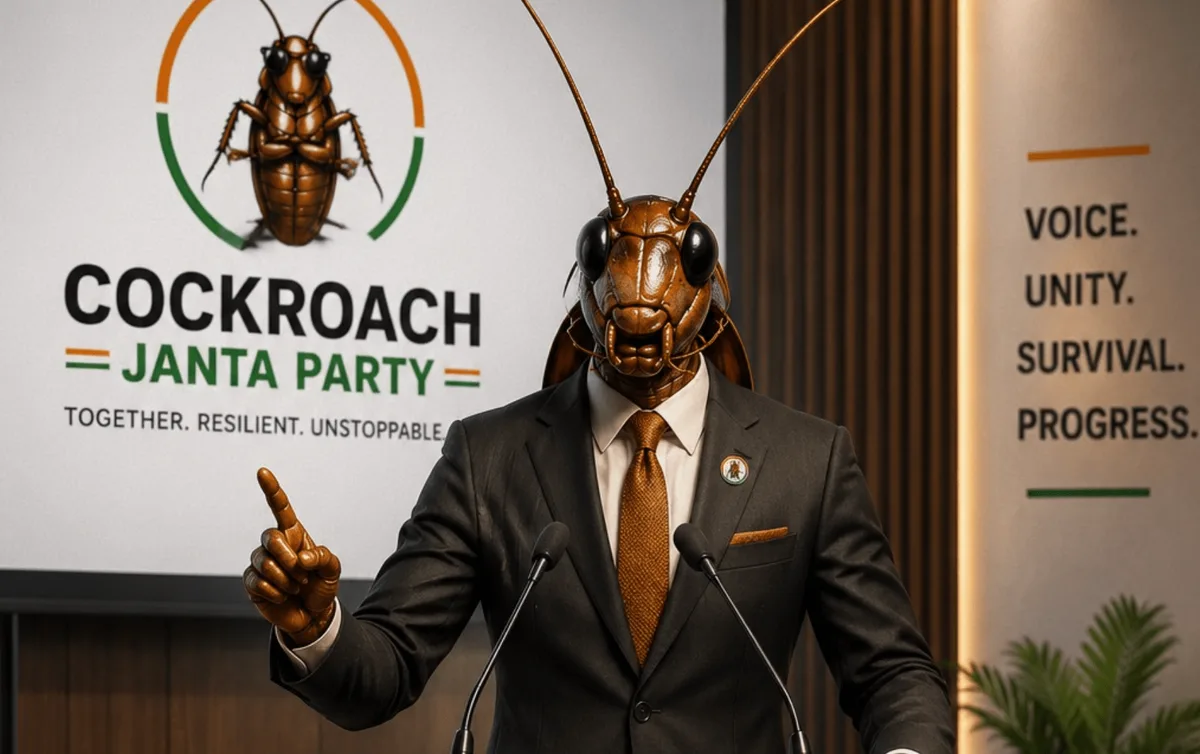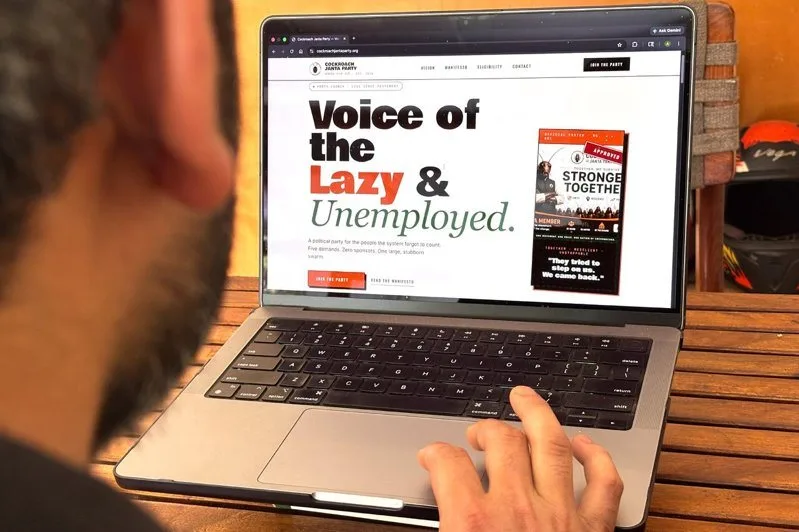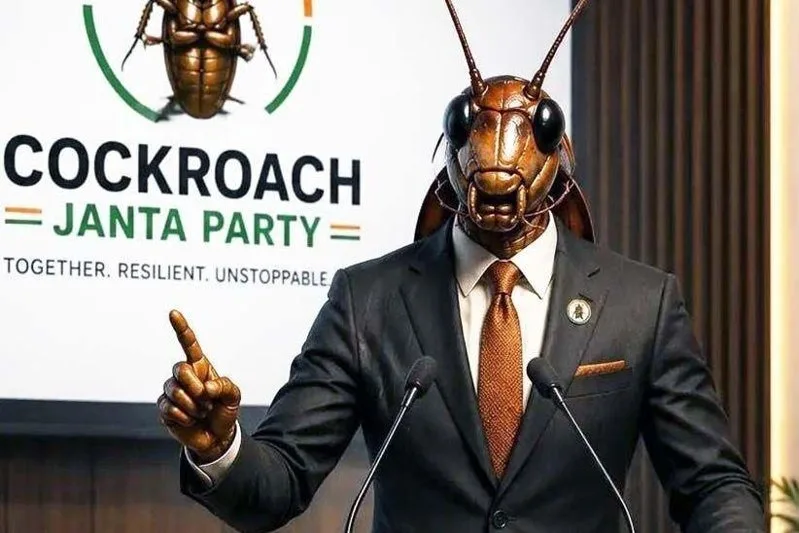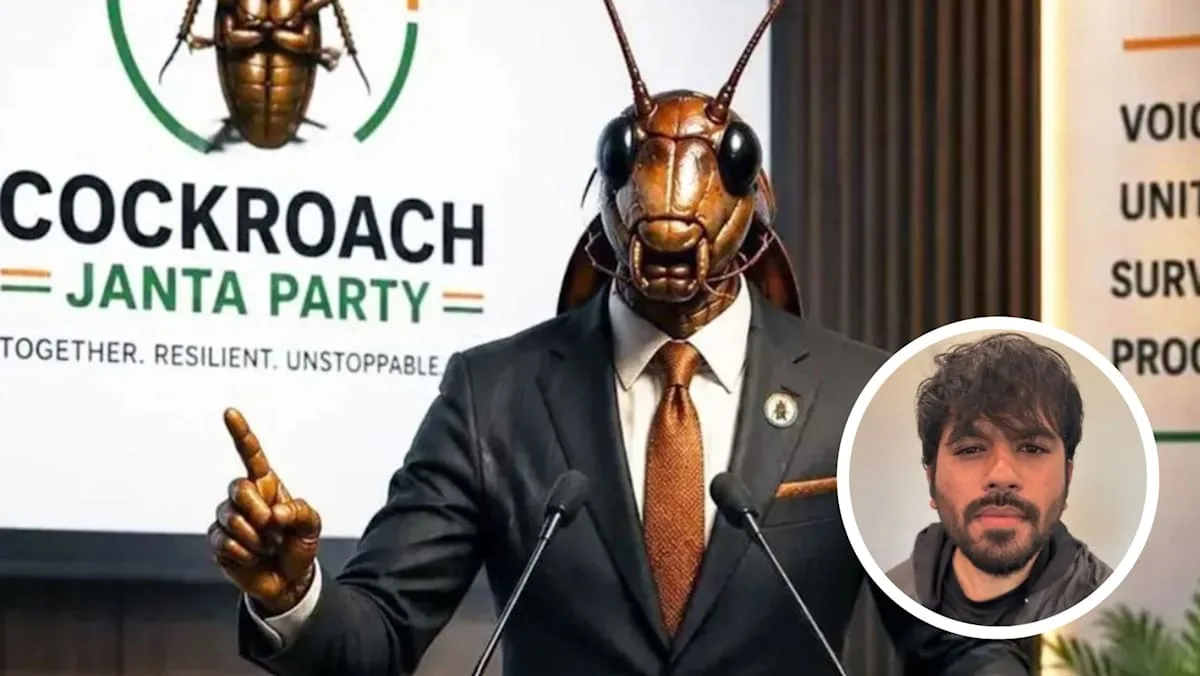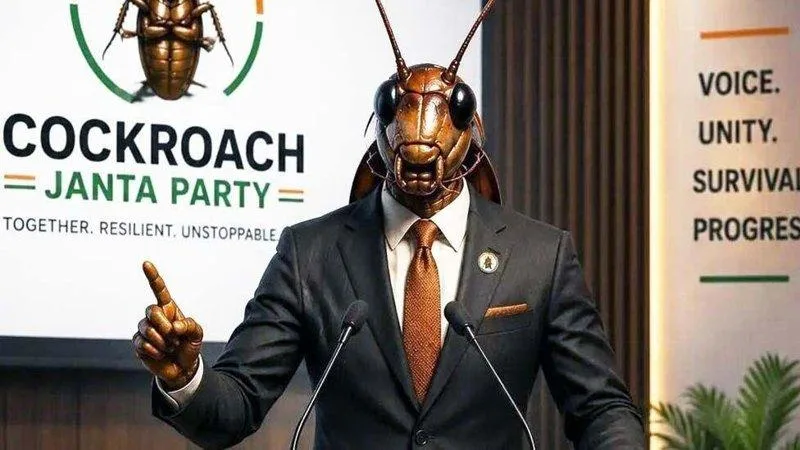
The Cockroach Janta Party (CJP), an informal satirical political movement, gained over 20 million Instagram followers within about a week after it was founded in mid-May 2026 by 30-year-old Indian political communication student Abhijeet Dipke, based in the US [1, 2, 3, 4, 5].
The movement was inspired by Supreme Court Chief Justice Surya Kant's remarks on May 20, 2026, referring to some unemployed youth as "cockroaches" and "parasites" during a court hearing. Kant later clarified he meant people with fake degrees, not all youth [1, 2, 3, 6, 7, 4, 5, 8]. Dipke said, "Those in power think citizens are cockroaches and parasites. They should know that cockroaches breed in rotten places. That's what India is today" [2].
CJP's Instagram account quickly surpassed 20 million followers, more than double the ruling Bharatiya Janata Party's official count of around 9 million followers [1, 3, 4, 5]. The movement’s Facebook and X (formerly Twitter) accounts also drew hundreds of thousands before some were blocked by Indian authorities citing legal orders [2, 6, 7, 5].
The CJP is not a registered party but a youth-driven online group using satire and memes to express frustration over unemployment, inequality, corruption, and political exclusion [1, 3, 7, 5]. It humorously lists membership criteria including unemployment, laziness, frequent internet use, and "professional complaint ability" [1, 6, 7, 5, 8]. Over 400,000 people had applied to join by late May, with more than 70% aged 19 to 25 [1, 5].
The movement emerged amid high youth unemployment in India. Surveys estimate around 20-40% youth unemployment for ages 15-25, though official government data is closer to 10% [7, 9]. CJP advocates peaceful, constitutional methods rather than street protests [1, 5]. Opposition politicians such as Akhilesh Yadav and Shashi Tharoor have expressed support or acknowledgment. Tharoor said he hopes the movement's youth "find ways to bring this energy into mainstream politics or through voting express desire for change" [3, 5, 10, 9].
Indian authorities blocked the movement’s website and some social media accounts on May 23, citing legal requirements [7, 5, 9]. Dipke said the movement shows young Indians feel ignored politically: "大家的挫折感來自於聲音遭到忽視,沒有人從體制內代表他們" (Everyone’s frustration comes from being unheard, no one represents them in the system) [10].
CJP's name parodies the ruling BJP led by Prime Minister Narendra Modi [1, 3, 6, 5]. The group's early timeline tracks from its founding around May 15 to 23 when authorities blocked accounts [2, 3, 7, 5, 10, 9].
The movement plans to maintain online activism and preparations to amplify youth voices through constitutional democratic channels [1, 5].