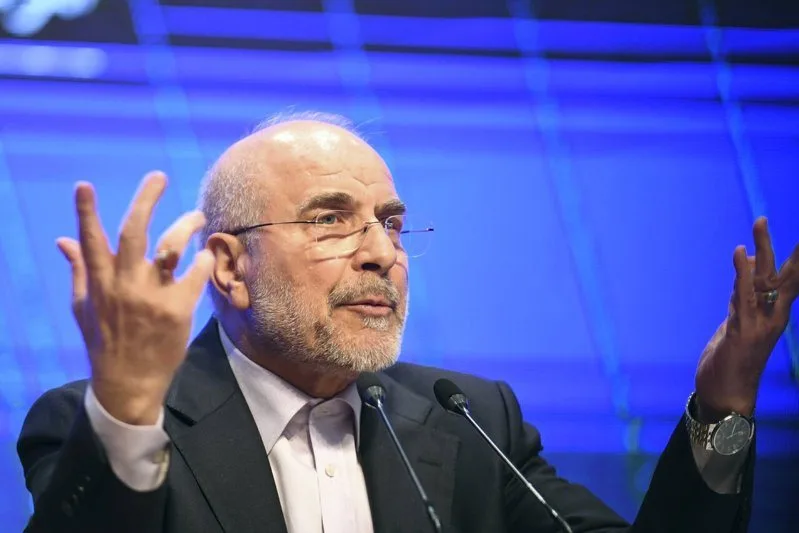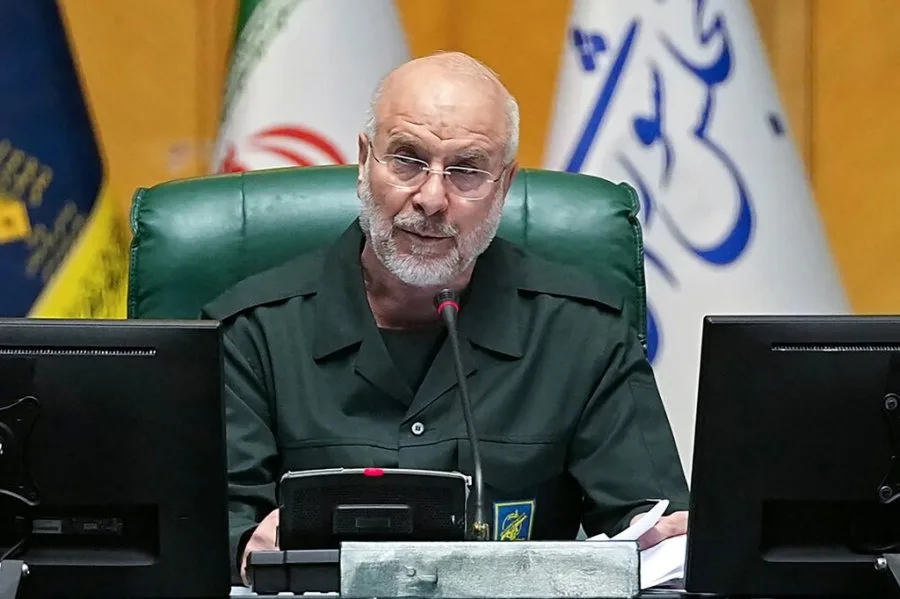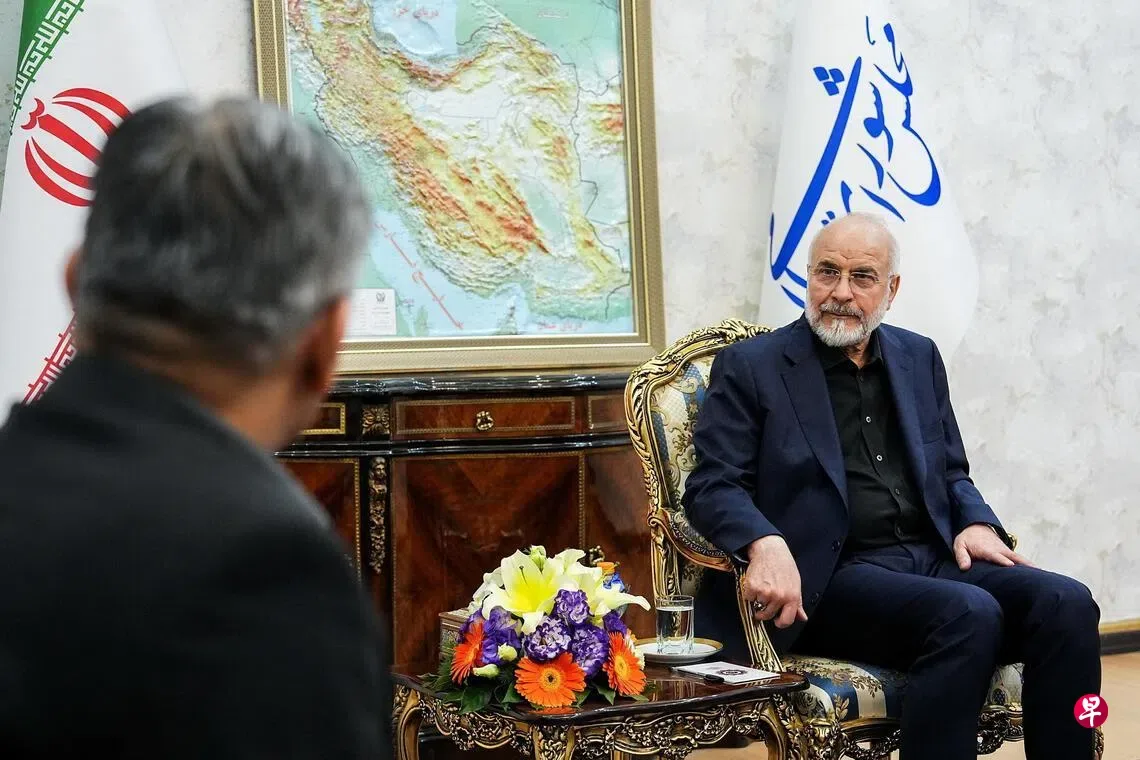
Iran appointed Parliament Speaker Mohammad Bagher Ghalibaf as its special representative for China affairs on May 17, 2026, following the death of his predecessor Ali Larijani in March [1, 2, 3]. President Ebrahim Raisi proposed the appointment, which was approved by Supreme Leader Ali Khamenei [1, 2, 3].
Ghalibaf will coordinate relations and cooperation with China across multiple sectors and government departments [1, 4, 2, 5, 3]. Larijani had led negotiations resulting in the 2021 Iran-China 25-year cooperation agreement, but was killed in an Israeli-US airstrike on March 17, 2026 [1, 2].
Before this appointment, Ghalibaf served as Iran's chief negotiator with the United States amid escalating tensions following the outbreak of conflict on February 28, 2026 [1, 2, 3]. He acknowledged progress in talks but said, "Despite progress in talks with the US, we are still far from an agreement" [1]. He also warned the US that "The Iranian armed forces are ready to respond appropriately to any new US military action" and said Washington "has no choice but to accept the 14 point proposals including the rights of the Iranian people" [1, 3].
The US-Iran conflict led to a fragile ceasefire on April 8, 2026, after months of hostilities [2]. Since then, Iran has allowed multiple Chinese ships to pass through the strategic Strait of Hormuz under new management agreements, which underscores the importance of China-Iran ties in the region [2, 3].
Ghalibaf’s appointment marks a return to his focus on China relations after acting as Iran’s chief US negotiator since the conflict began [1, 2, 3]. He officially assumed the role on May 17, 2026, continuing efforts to deepen cooperation under the long-term 25-year deal [1, 2].